

Mobility is one of the most important aspects of independence for seniors. The ability to move safely, whether walking across a room, standing from a chair, or transferring from bed to wheelchair, directly impacts quality of life. Yet, as adults age, mobility often becomes more challenging due to muscle weakness, chronic conditions, or balance issues. For caregivers and families, providing mobility and transfer help is not just about physical assistance—it’s about preserving dignity, safety, and confidence.
This blog explores the importance of mobility support, practical strategies for safe transfers, and the role of compassionate services like Friendly Faces Senior Care in empowering seniors to live independently.
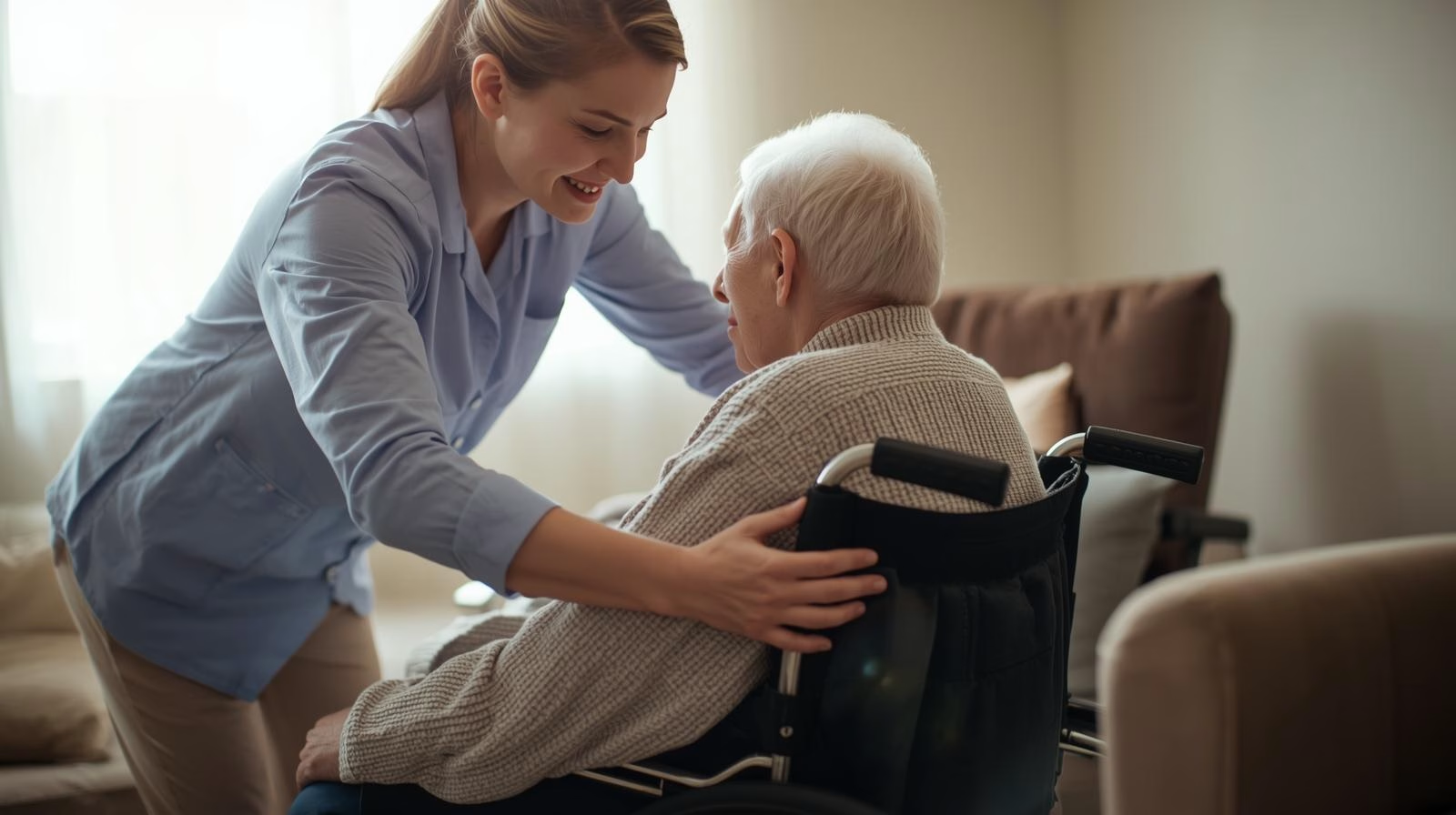
Why Mobility and Transfer Help Matters
Mobility is more than movement—it’s freedom. Seniors who can move safely are more likely to:
- Maintain independence: Performing daily tasks without constant assistance.
- Prevent injuries: Reducing risks of falls or accidents during transfers.
- Stay socially engaged: Participating in activities and connecting with others.
- Boost emotional well-being: Confidence in movement reduces anxiety and fear.
- Improve physical health: Regular movement supports circulation, muscle strength, and joint flexibility.
Without proper mobility support, seniors may face isolation, reduced activity, and increased health risks.
Common Challenges Seniors Face with Mobility
1. Muscle Weakness
Aging naturally reduces muscle strength, making standing or walking more difficult.
2. Balance Issues
Conditions like arthritis or neurological disorders can affect stability.
3. Chronic Illness
Diseases such as Parkinson’s or stroke may impair coordination and movement.
4. Fear of Falling
Past falls can create anxiety, leading seniors to avoid movement altogether.
5. Environmental Hazards
Cluttered spaces, poor lighting, or slippery floors increase risks during transfers.
Practical Strategies for Mobility and Transfer Help
1. Safe Transfer Techniques
Caregivers should learn proper methods for assisting seniors in moving from bed to chair, chair to toilet, or standing from a seated position. Using correct techniques prevents injuries for both seniors and caregivers.
2. Use of Assistive Devices
Canes, walkers, wheelchairs, and transfer boards provide stability and support. Devices should be properly fitted and regularly maintained.
3. Home Modifications
Simple changes can make a big difference:
- Install grab bars near toilets and showers
- Use non-slip mats in bathrooms and kitchens
- Improve lighting in hallways and staircases
- Rearrange furniture to create clear pathways
4. Encourage Exercise
Gentle activities like stretching, yoga, or walking strengthen muscles and improve balance. Even small movements can build confidence.
5. Provide Emotional Support
Reassure seniors that mobility assistance is about safety, not loss of independence. Encouragement reduces fear and builds trust.
6. Monitor Health Regularly
Regular checkups help identify underlying conditions that affect mobility, such as vision problems or medication side effects.
The Caregiver’s Role in Mobility Support
Caregivers are essential in ensuring safe movement. Their responsibilities include:
- Assisting with transfers: Helping seniors move safely between positions.
- Encouraging activity: Supporting seniors in staying mobile throughout the day.
- Monitoring environments: Identifying hazards that may cause falls.
- Providing companionship: Reducing fear and anxiety during movement.
- Coordinating care: Communicating with healthcare providers about mobility needs.
Caregivers must balance vigilance with compassion, ensuring seniors feel respected and empowered.
Emotional Impact of Mobility Assistance
Mobility challenges can affect more than physical health—they impact emotional well-being. Seniors may feel frustrated, embarrassed, or fearful when they cannot move independently. Caregivers can ease these feelings by:
- Maintaining dignity: Respecting privacy during transfers.
- Encouraging independence: Allowing seniors to do what they can safely.
- Offering reassurance: Reminding seniors that assistance is about safety, not control.
- Celebrating progress: Acknowledging improvements in strength or confidence.
Mobility support is not just about movement—it’s about restoring confidence and joy.
Family Involvement in Mobility Support
Families play a vital role in supporting mobility by:
- Helping with home modifications
- Encouraging seniors to stay active
- Providing transportation to appointments or activities
- Spending time together to reduce isolation
Family involvement strengthens emotional bonds and ensures seniors feel cared for.
Technology and Mobility Support
Modern tools can simplify mobility assistance:
- Lift chairs: Help seniors stand safely from seated positions.
- Transfer devices: Mechanical lifts reduce strain for caregivers.
- Smart home systems: Voice-activated lights or doors reduce hazards.
- Wearable devices: Track movement and detect falls.
Technology should complement human care, making mobility safer and easier.
Professional Care Services and Mobility Assistance
Professional caregiving services bring expertise and consistency to mobility support. Trained caregivers understand safe transfer techniques, assistive devices, and emotional reassurance. They provide peace of mind for families and independence for seniors.
Friendly Faces Senior Care specializes in mobility and transfer help, offering personalized support tailored to each individual’s needs. Their caregivers assist with safe transfers, encourage activity, and provide companionship, ensuring seniors feel secure and respected. By combining professional knowledge with compassion, they make mobility assistance a cornerstone of senior care.
Building a Culture of Safety and Independence
Mobility support is not just about preventing falls—it’s about creating environments that empower seniors to live fully. Communities, families, and caregivers must work together to prioritize safety, dignity, and independence.
By embracing mobility assistance, we empower seniors to move with confidence and joy.
Mobility and transfer help is essential for seniors. With safe techniques, assistive devices, and compassionate support, older adults can maintain independence, prevent injuries, and enjoy a higher quality of life. Families and caregivers play vital roles, but professional services provide the additional expertise needed to ensure consistent, personalized care.
If you or a loved one are navigating the challenges of mobility and transfers, consider partnering with Friendly Faces Senior Care. Their dedicated team is committed to providing personalized, compassionate support that empowers seniors to live safely and confidently.
👉 Take the first step today—reach out to Friendly Faces Senior Care and discover how expert caregiving can make mobility assistance simple, respectful, and life-enhancing.