

Recreation is more than just passing time—it’s about living fully, finding joy, and staying connected. For seniors, engaging in recreational activities can improve physical health, sharpen the mind, and nurture emotional well-being. Recreation also builds bridges to community, helping older adults feel valued and included.
This blog explores a wide range of recreation ideas for seniors, from simple daily pleasures to enriching group activities. It also highlights how organizations like Friendly Faces Senior Care support seniors in discovering meaningful ways to stay active and connected.
Why Recreation Matters for Seniors
Recreation is not a luxury—it’s essential. As people age, routines may change, and opportunities for social interaction can decrease. Recreation helps fill those gaps by:
- Boosting physical health: Activities like walking, dancing, or gardening improve mobility and strength.
- Enhancing mental sharpness: Games, puzzles, and learning new skills stimulate the brain.
- Reducing loneliness: Shared activities foster companionship and belonging.
- Encouraging purpose: Recreation gives seniors something to look forward to, adding structure and meaning to daily life.
By prioritizing recreation, seniors can enjoy healthier, happier, and more fulfilling lives.
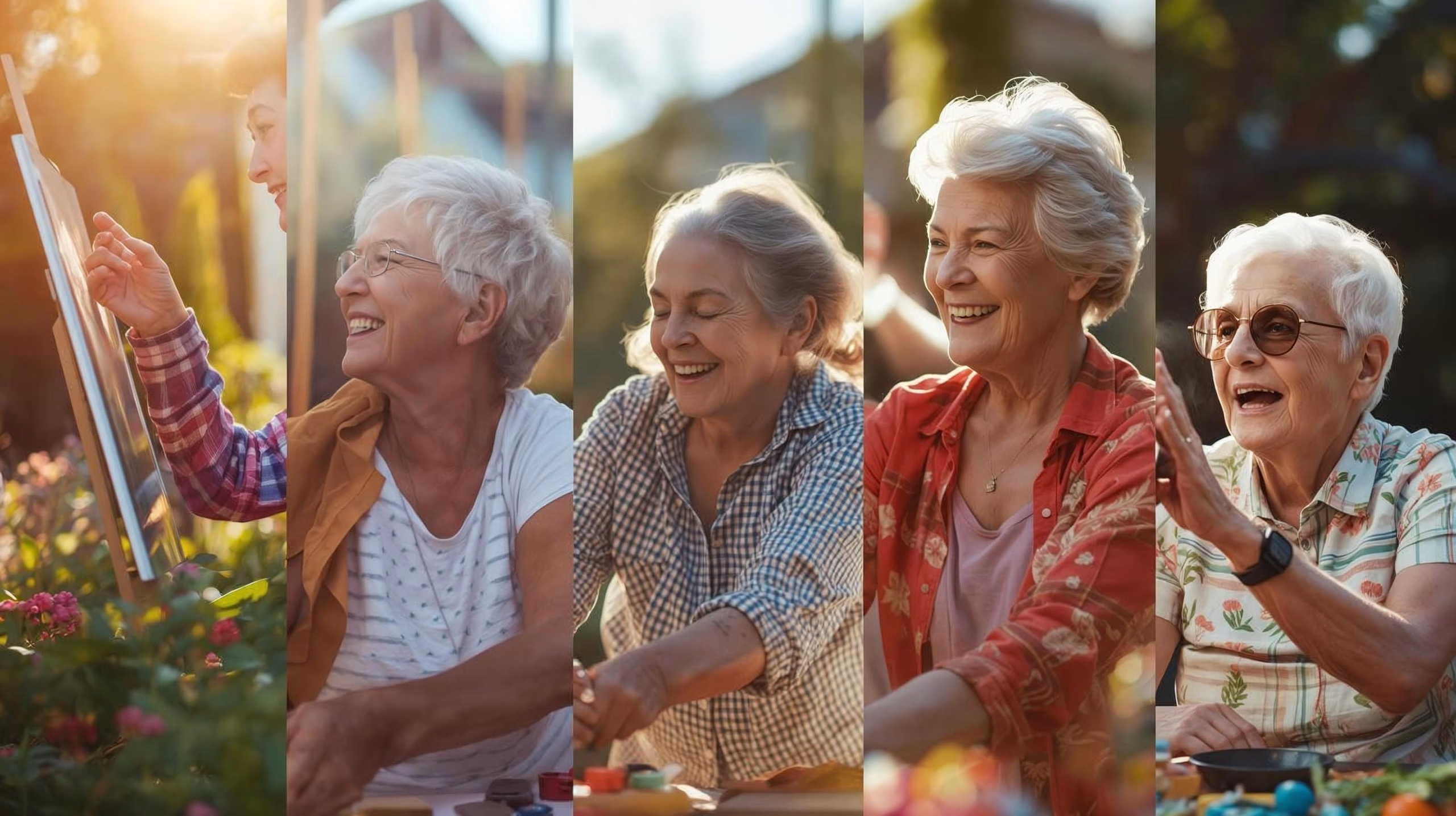
Indoor Recreation Ideas
1. Arts and Crafts
Painting, knitting, or pottery allow seniors to express creativity while improving fine motor skills. Crafting also provides tangible results—beautiful items that can be gifted or displayed.
2. Board Games and Puzzles
Games like chess, Scrabble, or jigsaw puzzles stimulate the mind and encourage friendly competition. They’re perfect for group settings or quiet afternoons.
3. Cooking and Baking
Trying new recipes or revisiting family favorites can be both fun and rewarding. Cooking together also sparks conversation and connection.
4. Reading and Book Clubs
Books open doors to new worlds. Seniors can join book clubs, discuss stories, and share perspectives, creating intellectual and social engagement.
5. Music and Dance
Listening to favorite songs, learning an instrument, or enjoying dance sessions can lift spirits and promote movement. Music often evokes cherished memories, making it a powerful recreational tool.
Outdoor Recreation Ideas
1. Gardening
Gardening provides exercise, relaxation, and a sense of accomplishment. Seniors can grow flowers, vegetables, or herbs, enjoying both the process and the results.
2. Walking Groups
Walking outdoors improves cardiovascular health and offers opportunities for social interaction. Group walks in parks or neighborhoods combine fitness with companionship.
3. Nature Exploration
Birdwatching, picnics, or visits to botanical gardens connect seniors with the beauty of nature. These activities are calming and restorative.
4. Community Events
Attending fairs, concerts, or local gatherings keeps seniors engaged with their community. These events provide entertainment and social opportunities.
5. Light Sports
Activities like bowling, golf, or tai chi are accessible and enjoyable. They promote movement without being overly strenuous.
Social Recreation Ideas
1. Group Classes
Learning together—whether it’s painting, cooking, or language lessons—creates bonds and stimulates the mind.
2. Volunteering
Helping others fosters purpose and connection. Seniors can volunteer at schools, libraries, or charities, making a positive impact while meeting new people.
3. Intergenerational Activities
Spending time with younger generations enriches life. Seniors can mentor, share stories, or participate in family events, building bridges across ages.
4. Travel and Day Trips
Exploring new places, even locally, adds excitement. Seniors can visit museums, historical sites, or nearby towns, enjoying fresh experiences.
5. Celebrations and Parties
Organizing birthdays, anniversaries, or holiday gatherings brings joy and strengthens relationships.
Intellectual Recreation Ideas
1. Lifelong Learning
Seniors can take online courses, attend lectures, or join workshops. Learning new skills keeps the mind sharp and fosters confidence.
2. Writing and Journaling
Writing memoirs, poetry, or daily reflections provides emotional release and preserves memories for future generations.
3. Technology Exploration
Exploring smartphones, tablets, or computers opens doors to new hobbies and connections. Seniors can learn to video call, browse the internet, or even create digital art.
4. Cultural Activities
Attending plays, concerts, or art exhibits enriches life and sparks conversation.
5. Spiritual Practices
Meditation, prayer, or attending religious services provide comfort and community.
Recreation Tailored to Abilities
Not all seniors have the same physical or cognitive abilities. Recreation should be adaptable:
- For limited mobility: Chair yoga, storytelling, or music appreciation.
- For cognitive challenges: Simple crafts, memory games, or sensory activities.
- For active seniors: Hiking, dancing, or more vigorous sports.
The key is personalization—choosing activities that match interests and abilities, ensuring enjoyment and safety.
The Role of Senior Care in Recreation
Senior care services play a vital role in making recreation accessible. Caregivers can encourage participation, provide transportation, and offer companionship during activities.
Friendly Faces Senior Care goes beyond assistance—they bring warmth, friendship, and creativity into recreational experiences. Their caregivers often join seniors in activities, whether it’s gardening, cooking, or attending community events. This companionship transforms recreation from a task into a joyful, shared experience.
By integrating recreation into care, Friendly Faces Senior Care helps seniors stay active, connected, and fulfilled.
Stories of Joy Through Recreation
Take Rosa, who loved painting but stopped after arthritis made it difficult. With the support of Friendly Faces Senior Care, she discovered adaptive tools and resumed her passion. Painting again brought her immense joy and a renewed sense of identity.
Or consider Daniel, who felt isolated after retiring. His caregiver encouraged him to join a local walking group. Soon, Daniel was not only exercising regularly but also making new friends. Recreation became his gateway back to community.
These stories show how recreation, paired with compassionate support, can transform lives.
Building a Culture of Recreation
Recreation should be woven into daily life, not treated as an occasional event. Families, communities, and organizations can foster this culture by:
- Encouraging seniors to try new activities.
- Organizing group events and outings.
- Providing resources and support for hobbies.
- Celebrating achievements, big or small.
When recreation becomes a priority, seniors thrive—physically, mentally, and emotionally.
Choosing Joy Every Day
Recreation is a powerful tool for seniors to stay active, connected, and joyful. From arts and crafts to community events, the possibilities are endless. What matters most is choosing activities that bring happiness and meaning.
Friendly Faces Senior Care embodies this mission, offering not just assistance but companionship and creativity. Their caregivers help seniors discover recreation that fits their interests and abilities, ensuring every day is filled with opportunities for joy.
If you or a loved one are seeking more than just care—if you’re looking for companionship, creativity, and support that truly makes a difference—reach out to Friendly Faces Senior Care today. Together, we can transform recreation into a source of joy, connection, and lasting memories.