

As people age, their bodies undergo natural changes that affect bone density and overall strength. Friendly Faces Senior Care was created to support older adults in achieving healthier lifestyles through compassionate care and practical guidance. One of the most important aspects of senior wellness is maintaining bone strength, and calcium intake plays a central role in this mission. Strong bones are not just about preventing fractures—they are about preserving independence, mobility, and quality of life.
Why Bone Strength Matters in Elderly Care
Bones provide the framework for movement, balance, and daily activities. As seniors age, bone density naturally decreases, making them more vulnerable to fractures and osteoporosis. Maintaining bone strength is essential for:
- Mobility: Strong bones support walking, climbing stairs, and daily tasks.
- Independence: Seniors with healthy bones are less reliant on caregivers.
- Fall prevention: Strong bones reduce the risk of serious injury from falls.
- Overall health: Bone health is linked to cardiovascular and muscular wellness.
The Role of Calcium in Bone Health
Calcium is one of the most important minerals for bone strength. It helps build and maintain bone tissue, supports muscle function, and regulates nerve signals. Without adequate calcium intake, bones become brittle and more prone to fractures.
Key benefits of calcium include:
- Bone density maintenance: Prevents osteoporosis and fractures.
- Muscle contraction: Supports movement and coordination.
- Nerve communication: Ensures proper brain-to-body signaling.
- Heart rhythm regulation: Keeps cardiovascular function stable.
Recommended Calcium Intake for Seniors
While exact requirements vary depending on health conditions, most experts recommend:
- Women over 50: Around 1,200 mg of calcium per day.
- Men over 70: Around 1,200 mg of calcium per day.
- Men aged 51–70: Around 1,000 mg per day.
Friendly Faces Senior Care emphasizes personalized nutrition, tailoring calcium intake to each senior’s unique needs.
Best Sources of Calcium
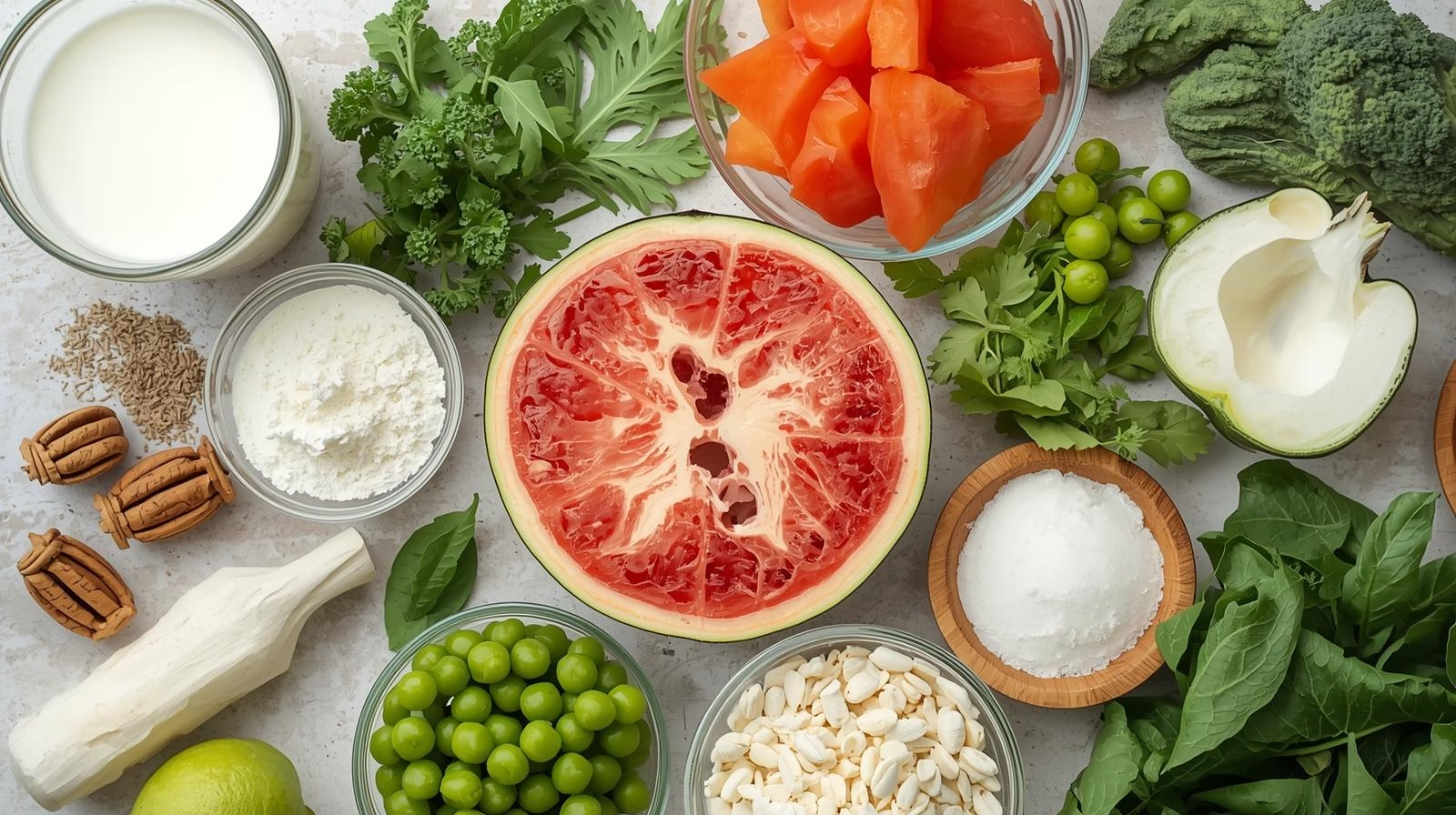
Calcium can be obtained from both food and supplements. Seniors benefit most from dietary sources, which provide additional nutrients.
- Dairy products: Milk, yogurt, and cheese are rich in calcium.
- Leafy greens: Spinach, kale, and collard greens provide plant-based calcium.
- Fortified foods: Cereals, orange juice, and plant-based milks often contain added calcium.
- Fish: Sardines and salmon with bones are excellent sources.
- Nuts and seeds: Almonds, chia seeds, and sesame seeds add calcium and healthy fats.
Vitamin D and Calcium Absorption
Calcium alone is not enough—vitamin D is essential for absorption. Seniors often have lower vitamin D levels due to reduced sun exposure and changes in skin function.
Sources of vitamin D include:
- Sunlight exposure for 15–30 minutes a few times per week.
- Fatty fish like salmon and mackerel.
- Fortified dairy and cereals.
- Supplements, if recommended by a healthcare provider.
Practical Tips for Bone Strength
- Balanced diet: Include calcium-rich foods daily.
- Regular exercise: Weight-bearing activities like walking or light resistance training strengthen bones.
- Limit alcohol and caffeine: Excess intake can reduce calcium absorption.
- Avoid smoking: Smoking weakens bones and reduces density.
- Hydration: Proper fluid intake supports nutrient transport.
Bone Strength and Chronic Conditions
Bone health is closely linked to chronic conditions common among seniors:
- Osteoporosis: Adequate calcium and vitamin D reduce risk.
- Arthritis: Strong bones support joint function and reduce pain.
- Diabetes: Balanced nutrition helps prevent bone complications.
- Heart disease: Calcium supports cardiovascular stability.
Friendly Faces Senior Care helps seniors manage these conditions with personalized nutrition and caregiver support.
The Role of Caregivers in Bone Health
Caregivers are essential in supporting seniors with bone strength and calcium intake. They can:
- Plan meals that include calcium-rich foods.
- Assist with grocery shopping and cooking.
- Monitor supplement use under medical guidance.
- Encourage physical activity to strengthen bones.
Friendly Faces Senior Care emphasizes caregiver involvement, ensuring bone health is not just about nutrition but also about lifestyle and support.
Bone Strength and Mental Health
Strong bones contribute to emotional well-being by supporting independence and confidence. Seniors who maintain bone health often experience:
- Improved mood: Independence reduces anxiety and depression.
- Better sleep: Proper nutrition and exercise support rest.
- Enhanced confidence: Mobility and strength encourage social engagement.
Overcoming Barriers to Calcium Intake
Older adults may face challenges in meeting calcium needs:
- Lactose intolerance: Alternatives like fortified plant-based milks provide calcium.
- Reduced appetite: Smaller, nutrient-dense meals help.
- Medication interactions: Some prescriptions affect calcium absorption.
- Limited mobility: Difficulty shopping or cooking can reduce intake.
Friendly Faces Senior Care helps seniors overcome these barriers with personalized solutions.
Bone Strength Across Different Lifestyles
- Active seniors: Higher calcium intake supports exercise and mobility.
- Homebound seniors: Nutrient-dense meals that require minimal preparation.
- Seniors with medical conditions: Specialized diets tailored to health needs.
- Social seniors: Group meals encourage calcium intake and connection.
Each lifestyle requires a unique approach, but the foundation remains the same: consistent calcium intake.
The Future of Bone Health in Elderly Care
As awareness grows, bone health is becoming a priority in healthcare and caregiving. Advances in technology—such as bone density scans, nutrition apps, and telehealth consultations—make it easier for older adults to maintain strong bones.
Friendly Faces Senior Care embraces these innovations, combining modern solutions with compassionate care to ensure seniors thrive.
Bone Strength and Calcium Intake
Bone strength and calcium intake are more than dietary guidelines—they’re pathways to independence, vitality, and joy. By focusing on bone health, older adults can manage chronic conditions, maintain strength, and enjoy a higher quality of life.
At the heart of this mission is Friendly Faces Senior Care, dedicated to supporting seniors with personalized care and practical solutions. Whether through meal planning, caregiver support, or community engagement, bone health is always a priority.
Ready to help your loved one embrace healthier aging with stronger bones and proper calcium intake? Contact Friendly Faces Senior Care today and let’s build a future of wellness—one step at a time.