

Getting dressed is a daily routine that most people take for granted. But for seniors and individuals with limited mobility, it can become a source of frustration, discomfort, or even risk. Arthritis, muscle weakness, recovery from surgery, or neurological conditions can make buttons, zippers, and tight clothing difficult to manage. At Friendly Faces Senior Care, we believe that clothing should empower- not hinder- daily life. Adaptive clothing offers practical solutions that restore independence, dignity, and comfort for seniors and their families.
Why Dresssing Become Challenging
Mobility limitations affect more than walking or moving around. They also impact fine motor skills, flexibility, and energy levels. Common challenges include:
- Joint stiffness from arthritis or injury.
- Reduced dexterity that makes small fasteners difficult.
- Balances issues that make bending or standing risky.
- Fatigue that turns dressing into an exhausting task.
- Cognitive decline that complicate clothings choices.
Adaptive clothing is designed to address these challenges, making dressing safer and easier.
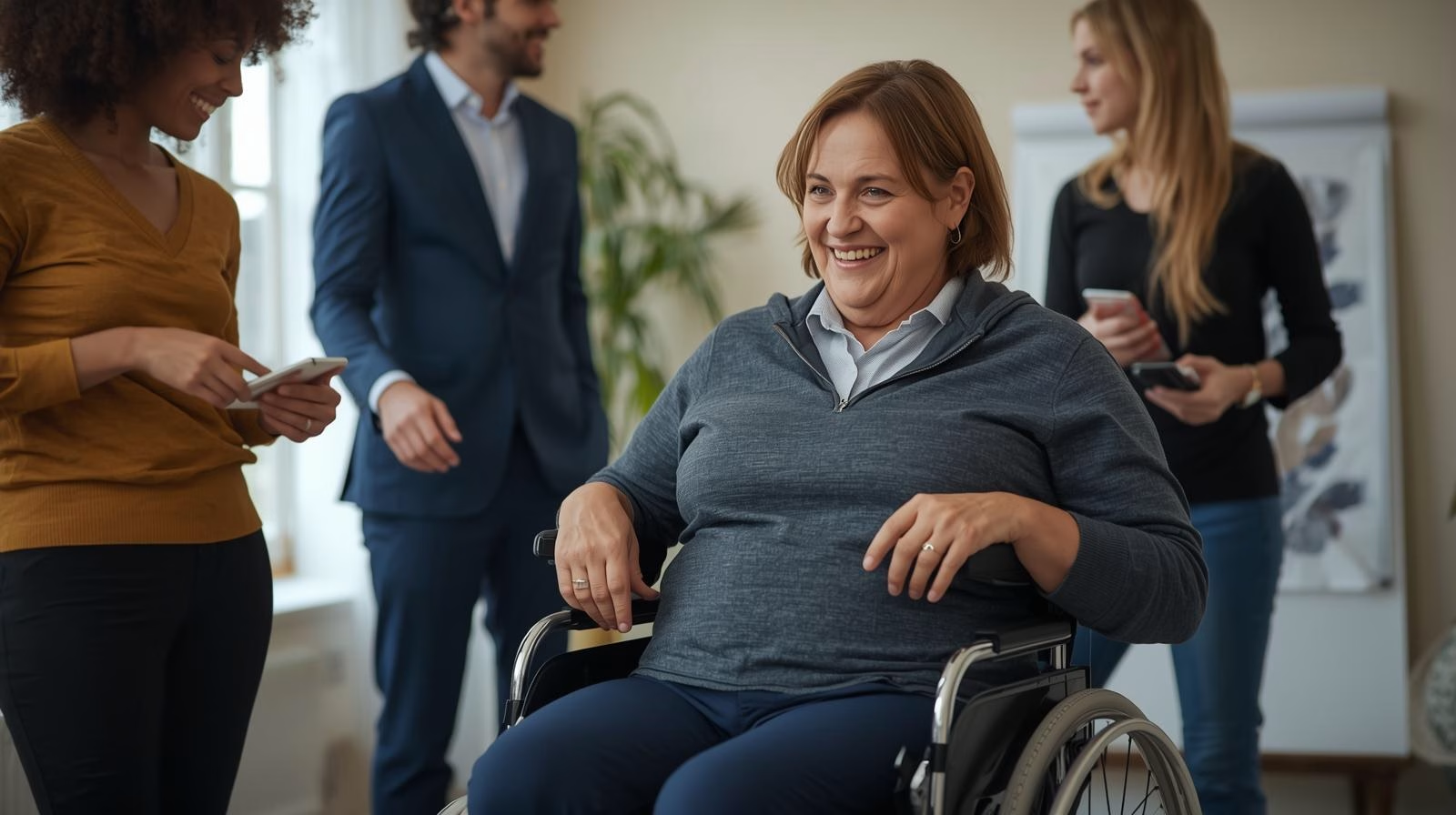
What Is Adaptive Clothing?
Adaptive clothing refers to garments specifically designed for people with physical or cognitive limitations. Instead of traditional buttons, zippers, or tight fits, these clothes use features like Velcro, magnetic closures, elastic waistbands, and side openings. The goal is simple: make dressing easier without sacrificing style, comfort, or dignity.
Key Features of Adaptive Clothing
- Velcro or Magnetic Closures: Replace small buttons and zippers with easy-to-use fasteners.
- Elastic Waistbands: Provide flexibility and comfort without the need for belts.
- Front-Opening Tops: Allow easier dressing for those who struggle to lift arms overhead.
- Side-Opening Pants: Simplify dressing for individuals who use wheelchairs or have limited leg mobility.
- Soft, Breathable Fabrics: Prevent irritation and keep seniors comfortable throughout the day.
- Non-Slip Footwear: Reduce fall risks while offering support.
Benefits of Adaptive Clothing
Independence
Adaptive clothing allows seniors to dress themselves with minimal assistance, preserving autonomy.
Safety
By reducing the need for bending, twisting, or struggling with fasteners, adaptive clothing lowers the risk of falls and injuries.
Comfort
Elastic fabrics and thoughtful designs ensure clothing fits well without restricting movement.
Dignity
Clothing is deeply tied to identity. Adaptive designs allow seniors to maintain their personal style while meeting practical needs.
Caregiver Support
Simplified clothing reduces the time and effort caregivers spend assisting with dressing, making daily routines smoother.
Examples of Adaptive Clothing Solutions
Everyday Wear
Elastic-waist pants, front-opening shirts, and slip-on shoes make daily dressing simple and safe.
Formal Clothing
Adaptive dress shirts and blouses with magnetic closures allow seniors to look polished without struggling with buttons.
Sleepwear
Soft, breathable pajamas with easy closures ensure comfort at night.
Specialty Items
Adaptive undergarments and outerwear provide discreet support for medical needs, such as incontinence or post-surgery recovery.
Dressing Tools That Help
In addition to adaptive clothing, tools can make dressing easier:
- Dressing sticks for reaching sleeves or pant legs.
- Long-handled shoehorns for slip-on shoes.
- Sock aids to help with putting on socks without bending.
- Grab bars and seating in dressing areas for stability.
Emotional Impact of Adaptive Clothing
Clothing is more than function—it’s tied to self-esteem and identity. Seniors often feel more confident when they can dress independently and comfortably. Adaptive clothing helps reduce frustration, supports emotional well-being, and allows individuals to express their personality through style.
Caregiver Tips for Dressing Assistance
- Lay out clothes in order to reduce confusion.
- Encourage independence by letting seniors do what they can.
- Respect preferences to maintain dignity.
- Choose simple outfits with fewer fasteners.
- Be patient and supportive during dressing routines.
Affordable Adaptive Clothing Options
Adaptive clothing doesn’t have to be expensive. Families can:
- Modify existing clothes with Velcro or elastic.
- Shop secondhand for soft, loose-fitting garments.
- Use layering to adjust for temperature without complex outfits.
- Choose multipurpose clothing that works for both home and outings.
How Friendly Faces Senior Care Supports Dressing Needs
At Friendly Faces Senior Care, we understand that dressing is an essential part of daily life. Our caregivers provide gentle assistance while encouraging independence. We help seniors choose clothing that balances comfort, safety, and style. Whether it’s preparing for the day, winding down at night, or managing special needs, our team ensures dressing is a positive, stress-free experience.
Clothing That Empowers
Adaptive clothing for limited mobility is about more than convenience—it’s about independence, dignity, and comfort. With thoughtful designs, supportive caregivers, and practical tools, seniors can enjoy daily routines without frustration.
At Friendly Faces Senior Care, we believe every outfit is an opportunity to support wellness and self-expression. Dressing should be simple, joyful, and empowering.
Call to Action:
Contact Friendly Faces Senior Care today to learn how our personalized care services—including dressing and grooming support—can help your loved ones enjoy comfort, independence, and dignity. Together, we can make daily routines easier and brighter.