
Clothing is more than just fabric—it’s a daily source of comfort, identity, and confidence. For older adults, the right clothing can make a significant difference in how they feel physically and emotionally. At Friendly Faces Senior Care, we understand that seniors deserve clothing that supports their health, mobility, and dignity. Choosing comfortable fabrics is one of the simplest yet most impactful ways to improve daily life.
Why Fabric Choice Matters for Seniors
As people age, their skin becomes thinner, more sensitive, and prone to irritation. Mobility challenges, circulation issues, and temperature regulation also affect how clothing feels. Fabrics that may have been fine in younger years can suddenly feel restrictive, itchy, or uncomfortable.
Comfortable fabrics help seniors:
- Prevent skin irritation and pressure sores.
- Regulate body temperature more effectively.
- Support mobility with lightweight, flexible materials.
- Reduce frustration during dressing routines.
- Maintain dignity by combining practicality with style.
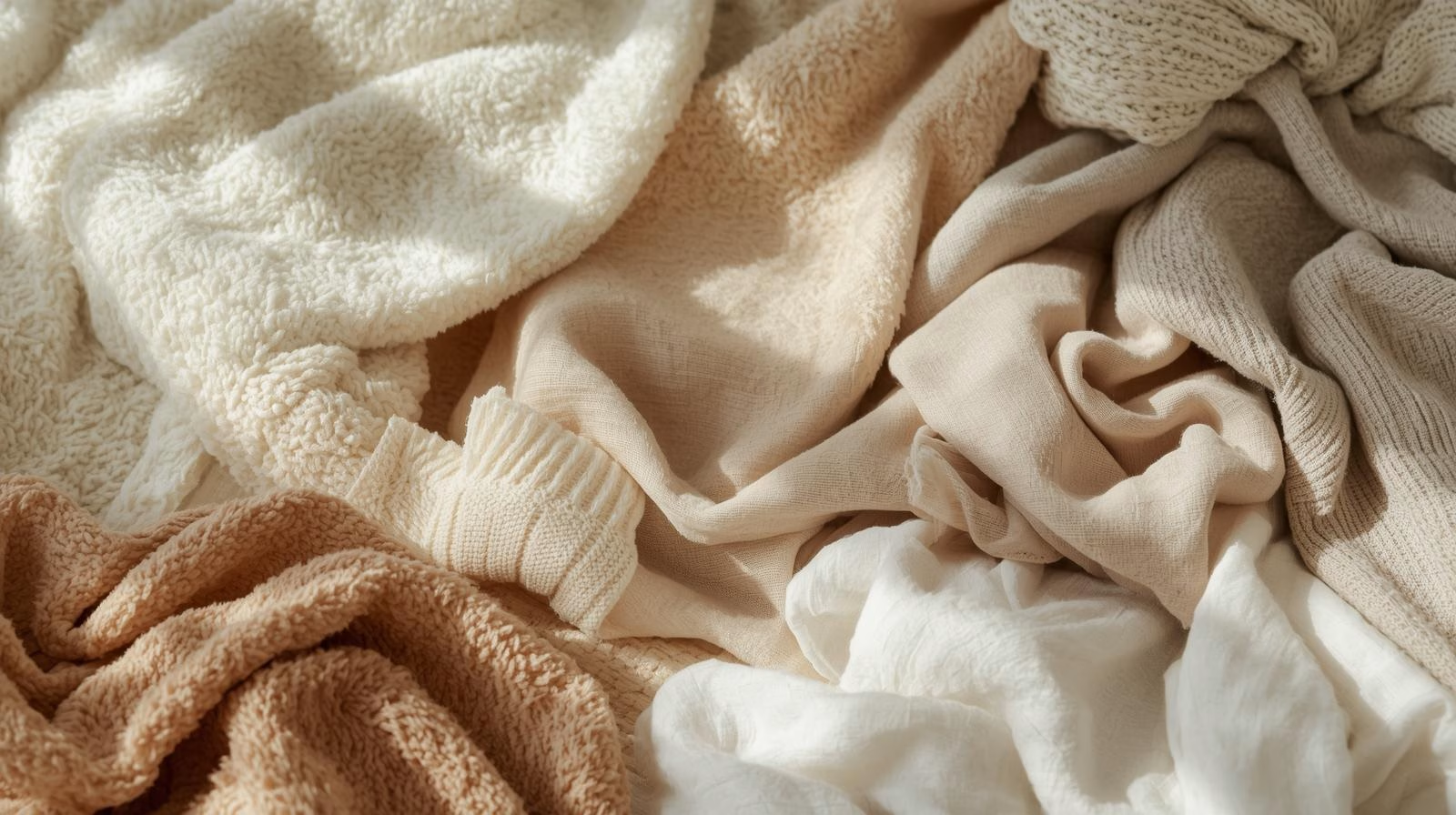
Characteristics of Comfortable Fabrics
When choosing clothing for older adults, consider these qualities:
- Softness: Gentle against sensitive skin.
- Breathability: Allows airflow to prevent overheating.
- Stretch: Provides flexibility for movement.
- Lightweight: Reduces fatigue and discomfort.
- Durability: Stands up to frequent washing.
- Ease of Care: Machine washable and wrinkle-resistant.
Fabrics That Work Best for Seniors
Cotton
Cotton is a classic choice for seniors. It’s soft, breathable, and hypoallergenic, making it ideal for sensitive skin. Cotton clothing is also easy to wash and durable.
Bamboo
Bamboo fabric is naturally moisture-wicking and antibacterial. It keeps seniors cool in warm weather and warm in cooler temperatures. Its silky texture is gentle on delicate skin.
Modal
Modal is a type of rayon made from beech trees. It’s smooth, breathable, and resistant to shrinking. Seniors appreciate its softness and flexibility.
Jersey Knit
This stretchy fabric is perfect for everyday wear. It moves with the body, making it comfortable for seniors with mobility challenges.
Fleece
For cooler climates, fleece provides warmth without heaviness. It’s soft, insulating, and easy to care for.
Linen
Linen is lightweight and breathable, ideal for hot weather. While it wrinkles easily, blends with cotton or rayon can reduce this issue.
Microfiber
Microfiber fabrics are smooth, lightweight, and resistant to stains. They’re often used in adaptive clothing for seniors.
Fabrics to Avoid
Not all fabrics are suitable for older adults. Avoid:
- Wool: Can be itchy and irritating.
- Polyester blends: May trap heat and cause sweating.
- Stiff denim: Restricts movement and feels heavy.
- Synthetic lace or rough textures: Can irritate sensitive skin.
Clothing Styles That Complement Comfortable Fabrics
Pairing the right fabrics with practical designs enhances comfort:
- Elastic waistbands for flexibility.
- Front-opening tops for easier dressing.
- Slip-on shoes with soft interiors.
- Layered clothing for temperature control.
- Adaptive designs with Velcro or magnetic closures.
How Comfortable Fabrics Improve Daily Life
Physical Comfort
Soft, breathable fabrics reduce irritation and keep seniors cool or warm depending on the season.
Emotional Well-Being
Clothing that feels good boosts confidence and self-esteem. Seniors are more likely to engage socially when they feel comfortable.
Independence
Easy-care fabrics and adaptive designs allow seniors to dress themselves more easily, supporting autonomy.
Caregiver Support
Caregivers benefit from fabrics that are easy to wash, quick to dry, and durable. This reduces stress and saves time.
Affordable Options for Families
Comfortable fabrics don’t have to be expensive. Families can:
- Shop secondhand stores for cotton and bamboo clothing.
- Choose multipurpose outfits that work for both home and outings.
- Modify existing clothing with elastic or Velcro.
- Look for blends that combine comfort with durability.
Seasonal Considerations
- Summer: Cotton, linen, and bamboo keep seniors cool.
- Winter: Fleece and microfiber provide warmth without heaviness.
- Transitional seasons: Layering lightweight fabrics allows flexibility.
Grooming and Dressing Tips
Comfortable fabrics pair well with simple dressing routines:
- Lay out clothes in order to reduce confusion.
- Choose easy-to-wash garments to simplify laundry.
- Encourage seniors to select colors and styles they enjoy.
- Use adaptive clothing tools like dressing sticks or shoehorns.
How Friendly Faces Senior Care Helps
At Friendly Faces Senior Care, we know that clothing is part of daily dignity. Our caregivers assist with dressing routines, ensuring seniors feel comfortable and respected. We help families choose fabrics and designs that balance practicality with personal style. Whether it’s preparing for the day, winding down at night, or managing special needs, our team makes dressing a positive experience.
Comfort That Supports Dignity
Comfortable fabrics for older adults are more than a luxury—they’re a necessity. Soft, breathable, and flexible materials help seniors feel at ease, maintain independence, and enjoy daily life. Choosing the right fabrics is a simple step that has a profound impact on health and happiness.
At Friendly Faces Senior Care, we believe every senior deserves clothing that supports comfort, dignity, and joy. Dressing should be simple, empowering, and tailored to each person’s needs.
Call to Action:
Contact Friendly Faces Senior Care today to learn how our personalized care services—including dressing and grooming support—can help your loved ones enjoy comfort, independence, and dignity. Together, we can make daily routines easier and brighter.