

As our loved ones age, food becomes more than something to enjoy—it becomes a key part of staying well. You may notice changes in appetite, energy, or how certain foods are tolerated, and suddenly meals feel more important than ever. From the very beginning, Friendly Faces Senior care has approached medical nutrition for seniors with one guiding principle: nourishment should support health needs while still honoring comfort, dignity, and personal preferences.
What Medical Nutrition Means in Senior Care
Medical nutrition goes beyond general healthy eating. It focuses on using food intentionally to support specific health conditions, recovery needs, and age-related changes in the body. For seniors, this can mean adjusting nutrients, textures, and meal timing to help manage chronic conditions, maintain strength, and prevent complications.
Rather than rigid meal plans, medical nutrition is thoughtful and flexible. It adapts to a senior’s medical needs while remaining enjoyable and realistic for everyday life.
Why Nutrition Becomes More Complex With Age
Aging changes how the body processes nutrients. Muscle mass naturally declines, bones become more fragile, and the digestive system can slow down. At the same time, the body may need more of certain nutrients to maintain balance and function.
Medical nutrition for seniors addresses these shifts by focusing on foods that support strength, immunity, and overall stability. When nutrition aligns with the body’s changing needs, seniors often experience improved energy and resilience.
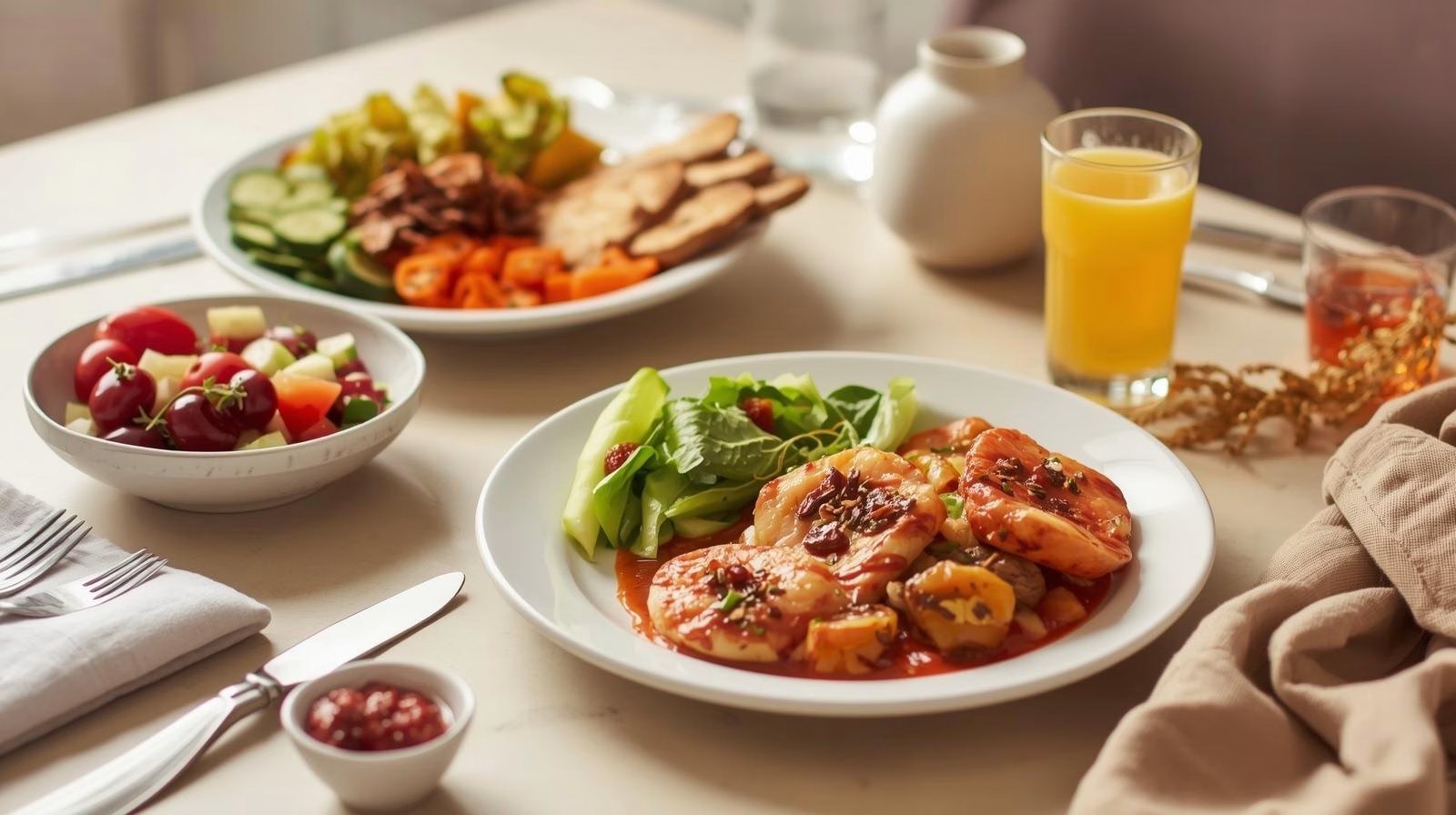
Supporting Chronic Conditions Through Food
Many seniors live with long-term health conditions that are directly influenced by nutrition. Heart health, blood sugar balance, digestive comfort, and bone strength are all connected to what and how we eat.
Medical nutrition helps manage these concerns gently and consistently. Meals are planned with awareness, not restriction. Seniors are supported with foods that work with their bodies rather than against them, reducing stress and improving daily comfort.
Balancing Nutrition Without Losing Enjoyment
One common fear around medical nutrition is that food will become bland or limiting. In reality, effective nutrition support focuses on balance—not deprivation.
Flavor, familiarity, and satisfaction still matter. Medical nutrition plans are designed to fit into a senior’s lifestyle, incorporating preferred foods whenever possible while making thoughtful adjustments to portions, preparation, or timing.
Addressing Appetite Changes With Compassion
Loss of appetite is common among seniors and can be influenced by medication, mood, or physical changes. Medical nutrition approaches this challenge with patience and understanding.
Smaller, nutrient-dense meals, appealing presentation, and relaxed mealtime environments help encourage eating without pressure. The focus is on nourishing the body while respecting how the senior feels each day.
The Importance of Protein for Strength and Mobility
Maintaining muscle strength becomes increasingly important with age. Protein plays a vital role in supporting mobility, balance, and recovery.
Medical nutrition for seniors emphasizes adequate protein intake in ways that are easy to chew, digest, and enjoy. Supporting muscle health helps seniors stay active and confident in their daily movements.
Hydration as Part of Medical Nutrition
Hydration is a crucial yet often overlooked part of nutrition. Seniors may not feel thirsty as often, which can lead to dehydration and related complications.
Medical nutrition includes hydration strategies that fit naturally into the day—soups, soft fruits, warm beverages, and gentle reminders. Staying hydrated supports digestion, circulation, and cognitive clarity.
Texture and Comfort Matter
Dental issues, swallowing difficulties, or digestive sensitivities can make eating uncomfortable. Medical nutrition adapts food textures to ensure safety and ease without sacrificing flavor or dignity.
Softened foods, modified textures, and careful preparation help seniors enjoy meals comfortably and confidently, reducing anxiety around eating.
Supporting Cognitive and Emotional Health Through Nutrition
Nutrition impacts mental health just as much as physical well-being. Balanced meals support memory, focus, and emotional stability, helping seniors feel more engaged and present.
Medical nutrition includes foods that nourish the brain while remaining familiar and enjoyable. When seniors feel mentally supported, their overall quality of life often improves.
Creating Consistent, Calming Meal Routines
Routine brings comfort, especially as life changes. Medical nutrition supports consistent mealtimes that help regulate digestion, energy levels, and sleep.
Predictable routines reduce stress and help seniors feel grounded. At the same time, flexibility allows care to adapt to changing needs without disrupting comfort.
Respecting Personal History and Food Preferences
Food is deeply personal. Cultural traditions, lifelong favorites, and comfort meals all carry meaning. Medical nutrition respects these connections rather than dismissing them.
By honoring food preferences, seniors feel seen and valued. This respect strengthens trust and makes nutritional support more effective and sustainable.
Reducing Family Stress Around Nutrition
Families often worry about whether their loved ones are eating enough or getting the right nutrients. Medical nutrition support eases this burden by providing thoughtful planning and daily awareness.
Knowing that nutrition is handled with care allows families to focus on connection rather than concern. It brings reassurance during a time that can otherwise feel uncertain.
Adjusting Nutrition as Needs Change
Health needs evolve, and nutrition should evolve with them. Medical nutrition for seniors is not static—it adapts as conditions, medications, and abilities change.
This flexibility ensures seniors continue receiving appropriate nourishment without sudden or overwhelming shifts in routine.
Nourishment That Supports Quality of Life
Medical nutrition is not about extending life at all costs—it’s about improving how life feels each day. When seniors are nourished thoughtfully, they often feel stronger, more comfortable, and more confident.
Meals become moments of care and connection rather than sources of stress. Nutrition becomes a foundation for living well, not just getting by.
Moving Forward With Confidence and Care
If you’re concerned about your loved one’s nutritional needs or managing health conditions through diet, you’re not alone. Medical nutrition offers a supportive path that blends clinical awareness with compassion.
Reach out today to learn how personalized medical nutrition for seniors can support better health, daily comfort, and peace of mind—for both your loved one and your family.