
Finding the right care setting for an aging loved one is never just a practical decision—it’s an emotional one. Families want reassurance that their parent or relative will be safe, comfortable, and genuinely cared for. Many families who connect with Friendly Faces Senior Care are searching for something that feels less institutional and more like home. This is where group homes for the elderly often provide a meaningful and reassuring option.
Group homes offer a balance between independence and support, blending personalized care with a warm, family-style environment. For many seniors, this type of setting feels natural, familiar, and deeply comforting.
What Is a Group Home for the Elderly?
A group home for the elderly is a small residential setting where older adults live together and receive daily support from trained caregivers. Unlike large facilities, group homes typically serve a limited number of residents, allowing for more individualized attention and stronger relationships.
These homes are designed to feel just like a traditional house. Residents have private or shared rooms, enjoy meals together, and follow a daily rhythm that mirrors normal home life. This familiar structure often helps seniors feel more relaxed and secure.
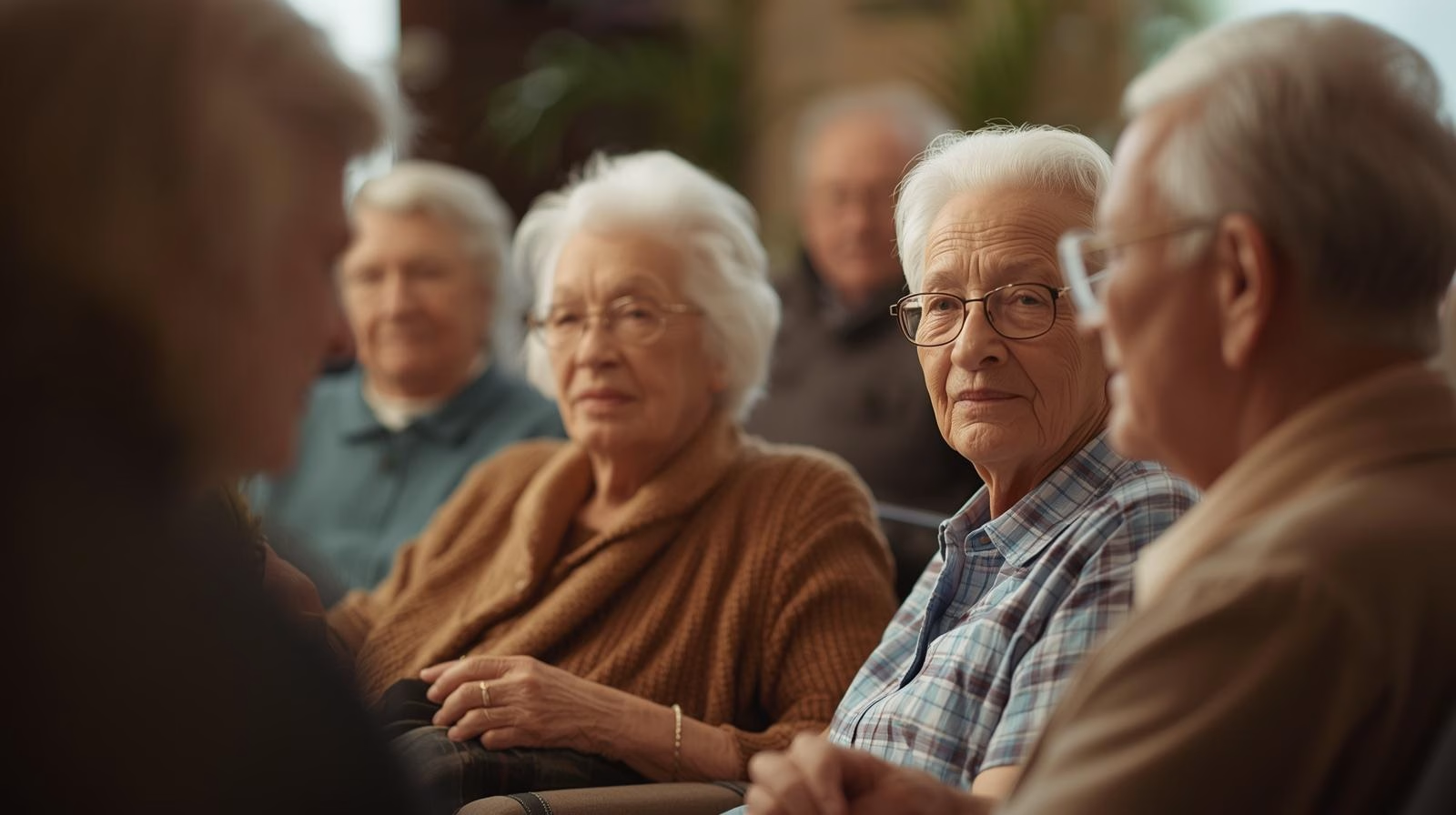
Why Families Choose Group Homes
Many families are drawn to group homes because of the personal atmosphere. Large senior facilities can feel overwhelming, especially for individuals who prefer quieter spaces or closer relationships. Group homes provide a sense of belonging that can be hard to replicate elsewhere.
Common reasons families choose group homes include:
-
A calm, home-like environment
-
Higher caregiver-to-resident attention
-
Consistent routines
-
Strong emotional connections with caregivers
-
A sense of community and familiarity
For seniors who value comfort and personal interaction, group homes can be an ideal fit.
A More Personal Level of Care
One of the greatest strengths of group homes is the personalized care residents receive. With fewer individuals to support, caregivers can truly get to know each resident’s preferences, habits, and needs.
Care may include assistance with:
-
Daily personal routines
-
Medication reminders
-
Meal preparation and nutrition
-
Mobility and safety support
-
Companionship and supervision
This individualized approach allows care to feel respectful rather than rushed.
Daily Life in a Group Home Setting
Life in a group home follows a gentle, predictable rhythm. Mornings may start with shared breakfast and light conversation. Days often include simple activities, rest periods, and one-on-one interaction with caregivers. Evenings are calm and familiar, just like in a traditional household.
Because group homes are smaller, residents often feel more involved in daily life. They may help choose meals, participate in activities, or simply enjoy quiet time in shared living areas. This sense of inclusion helps preserve dignity and independence.
Emotional Benefits for Seniors
Aging can sometimes feel isolating, especially when living alone. Group homes naturally encourage connection. Residents see familiar faces each day, share meals, and build meaningful relationships with both caregivers and fellow residents.
This emotional closeness can reduce feelings of loneliness and anxiety. Many seniors thrive in environments where they feel seen, heard, and valued—not just cared for.
Peace of Mind for Families
For families, choosing a group home often brings relief. Knowing that a loved one is in a safe environment with consistent caregivers helps reduce worry. Communication tends to feel more open and personal, allowing families to stay informed and involved.
The smaller size of group homes often makes it easier for families to build trust with caregivers, creating a true partnership in care.
Group Homes and Safety
Safety is a top priority in any senior living environment. Group homes are typically designed with accessibility and comfort in mind. Features may include:
-
Non-slip flooring
-
Grab bars and handrails
-
Secure entrances
-
Clear walkways and lighting
Because caregivers are present throughout the day and night, seniors receive supervision without feeling restricted.
Supporting Independence With Dignity
A common misconception is that needing care means losing independence. In group homes, the opposite is often true. Support is offered where needed, while residents are encouraged to do what they can on their own.
This balance helps seniors maintain confidence and a sense of control over their daily lives. Independence looks different for everyone, and group homes honor that individuality.
Who Is a Good Fit for a Group Home?
Group homes are well-suited for seniors who:
-
Prefer smaller, quieter environments
-
Benefit from daily assistance
-
Value routine and familiarity
-
Enjoy close social connections
-
Feel overwhelmed by large facilities
They can also be a supportive option for individuals experiencing early cognitive changes who benefit from structure and supervision.
Transitioning Into a Group Home
Moving into a new living environment can bring mixed emotions. Seniors may feel uncertain, while families may worry about adjustment. A gentle, supportive transition makes a big difference.
Visiting the home, meeting caregivers, and taking time to personalize the living space can help seniors feel comfortable more quickly. When the environment feels welcoming, the transition often becomes smoother than expected.
Long-Term Comfort and Stability
One of the most valuable aspects of group homes is consistency. Residents often see the same caregivers daily, which builds trust and emotional security over time. This stability can be especially comforting as care needs evolve.
Group homes allow seniors to age with dignity in a setting that feels safe, familiar, and respectful.
A Home, Not Just a Care Setting
At its heart, a group home is exactly what it sounds like—a home. It’s a place where seniors are not just residents, but individuals with stories, preferences, and lives worth honoring.
For families seeking a care option that feels warm, personal, and grounded in compassion, group homes offer a powerful alternative to traditional senior facilities.
Choosing care for an elderly loved one is one of the most important decisions a family can make. Group homes offer a thoughtful balance of support, comfort, and connection—without sacrificing dignity or independence.
If you’re exploring group home options and want guidance that feels personal and compassionate, Friendly Faces Senior Care is here to help. Reach out today to start a conversation and find a care solution that truly feels like home.