
As people grow older, their needs naturally change. Daily tasks may become more challenging, health concerns may require extra attention, and living alone may no longer feel safe or fulfilling. For many families, choosing a home for older people becomes a thoughtful step toward ensuring their loved one’s comfort, dignity, and overall well-being.
More than just a place to live, these homes are designed to offer support, companionship, and peace of mind—both for seniors and for the families who care about them.
What Is a Home for Older People?
A home for older people is a residential setting created specifically to support aging adults. These homes provide assistance with daily activities while encouraging independence and personal choice. Depending on the level of care, residents may receive help with mobility, meals, personal care, and health monitoring.
The focus is on creating a safe, respectful environment where older adults can continue to live meaningful and fulfilling lives.
Why Families Choose Residential Homes for Seniors
Families often reach this decision after noticing changes in their loved one’s health, safety, or emotional well-being. While staying at home is ideal for some, others benefit from a more supportive environment.
Common reasons families choose these homes include:
-
Increased safety and supervision
-
Access to trained caregivers
-
Reduced loneliness and isolation
-
Relief from daily household responsibilities
-
Peace of mind for family members
These homes offer a balance of independence and support that can be difficult to achieve alone.
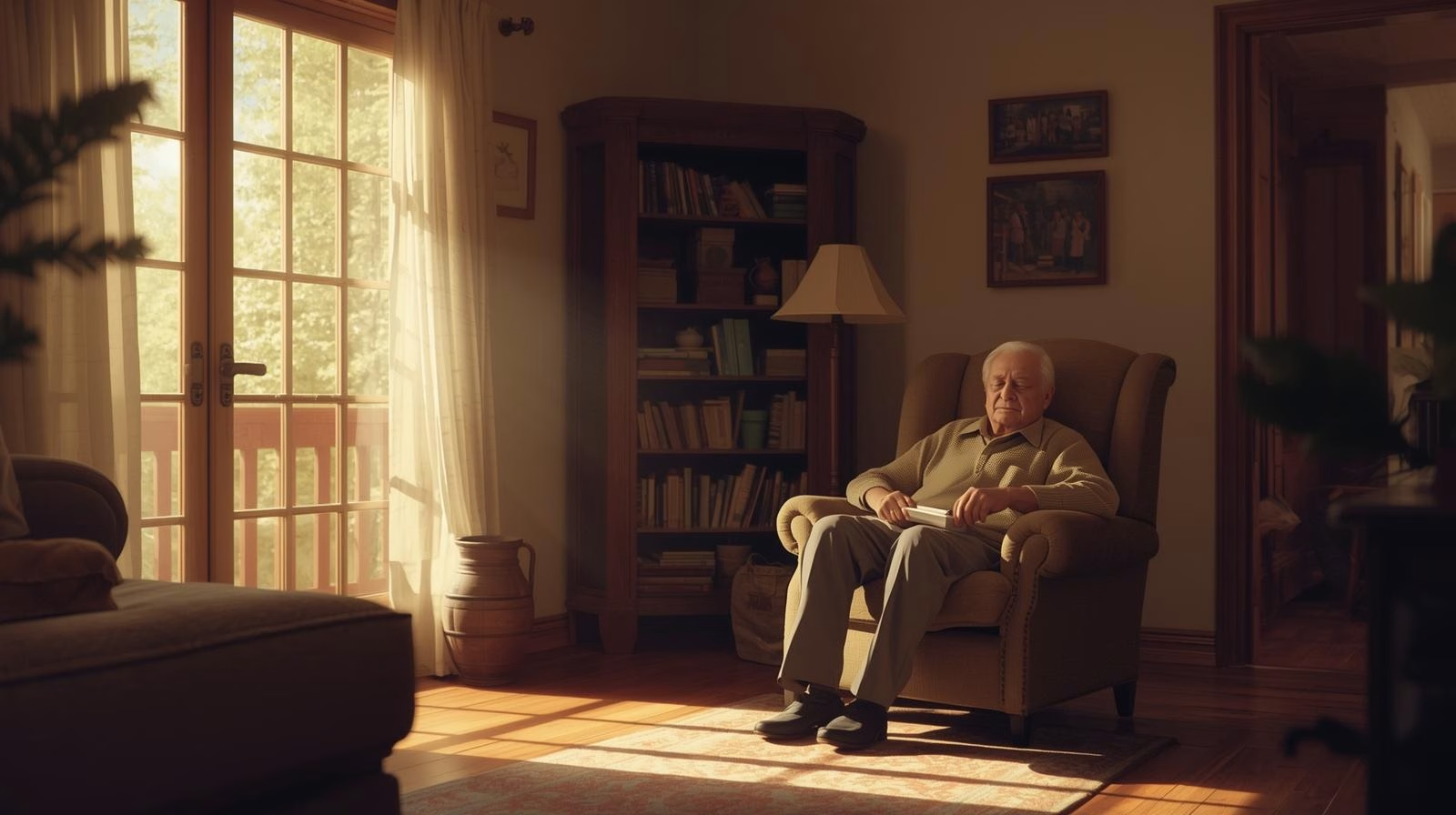
A Focus on Comfort and Familiarity
One of the biggest concerns seniors have is losing the feeling of “home.” Quality residential homes address this by creating warm, welcoming spaces where residents can personalize their rooms with familiar items like photos, furniture, and keepsakes.
Comfort is also reflected in:
-
Calm, homelike interiors
-
Nutritious, home-style meals
-
Quiet spaces for rest and reflection
-
Common areas for social interaction
This familiar atmosphere helps residents settle in more easily and feel truly at home.
Daily Support Without Losing Independence
A good home for older people supports residents without taking away their sense of control. Care is provided based on individual needs, allowing seniors to do as much as they can on their own.
Support may include:
-
Help with bathing and dressing
-
Medication reminders
-
Mobility assistance
-
Light housekeeping and laundry
By focusing on ability rather than limitation, residents maintain confidence and dignity.
Emotional Well-Being and Social Connection
Aging can sometimes lead to isolation, especially for seniors living alone. Residential homes encourage connection through shared meals, group activities, and social events.
Social engagement helps:
-
Improve mood and mental health
-
Reduce feelings of loneliness
-
Build friendships and routines
-
Create a sense of belonging
Even quiet companionship can make a meaningful difference in daily life.
Personalized Care Makes All the Difference
No two seniors are alike, and care should reflect that. The best homes for older people create personalized care plans that adapt as needs change over time.
Personalized care focuses on:
-
Respecting personal preferences and routines
-
Understanding medical and emotional needs
-
Encouraging independence
-
Building trusting relationships with caregivers
This individualized approach leads to better outcomes and greater satisfaction.
How Friendly Faces Supports Families
Choosing the right home can feel overwhelming, especially when emotions are involved. This is where Friendly Faces Senior Care becomes a trusted partner. They help families understand care options and connect with homes that match their loved one’s needs, lifestyle, and values.
Friendly Faces Senior Care offers guidance with compassion, ensuring families feel informed, supported, and confident throughout the decision-making process.
Knowing When It’s Time to Consider a Home
Families often ask how to recognize when a residential home may be the right choice. Some signs include:
-
Difficulty managing daily activities
-
Increased falls or safety concerns
-
Forgetting medications or meals
-
Social withdrawal or loneliness
-
Caregiver stress within the family
Addressing these signs early allows for a smoother, less stressful transition.
A Place Where Aging Is Respected
A home for older people should be a place where aging is honored, not feared. With the right support, seniors can continue to grow, connect, and enjoy life—surrounded by care that respects who they are and the lives they’ve lived.
Choosing Care with Heart
Selecting a home for an older loved one is a deeply personal decision. It’s about more than care—it’s about trust, comfort, and creating a space where seniors feel safe and valued every day.
If you’re unsure where to begin or need help finding the right home for an older loved one, Friendly Faces Senior Care is here to support you. Their compassionate team will guide you through available options and help you choose a home that truly feels right. Reach out today and take the first step toward peace of mind and quality senior care.