

Comfortable fabrics for senior clothing play a vital role in promoting daily comfort, skin health, and overall well-being as people age. Selecting the right materials helps reduce irritation, overheating, and discomfort, which is why comfortable fabrics for senior wardrobes are an important consideration for seniors, families, and caregivers. Care-focused providers such as Talent by Friendly Faces often emphasize thoughtful daily-living choices that help seniors feel relaxed, confident, and supported throughout the day.
Importance of Fabric Choice in Later Life
As individuals age, skin becomes thinner and more sensitive, making rough or restrictive fabrics uncomfortable. Changes in circulation and temperature regulation can also cause seniors to feel too warm or too cold in certain materials.
Choosing gentle, breathable fabrics helps minimize skin irritation, supports temperature balance, and improves comfort during both active and resting periods.
Fabric Characteristics That Enhance Comfort
Certain fabric qualities are especially beneficial for seniors and contribute to a more comfortable daily experience.
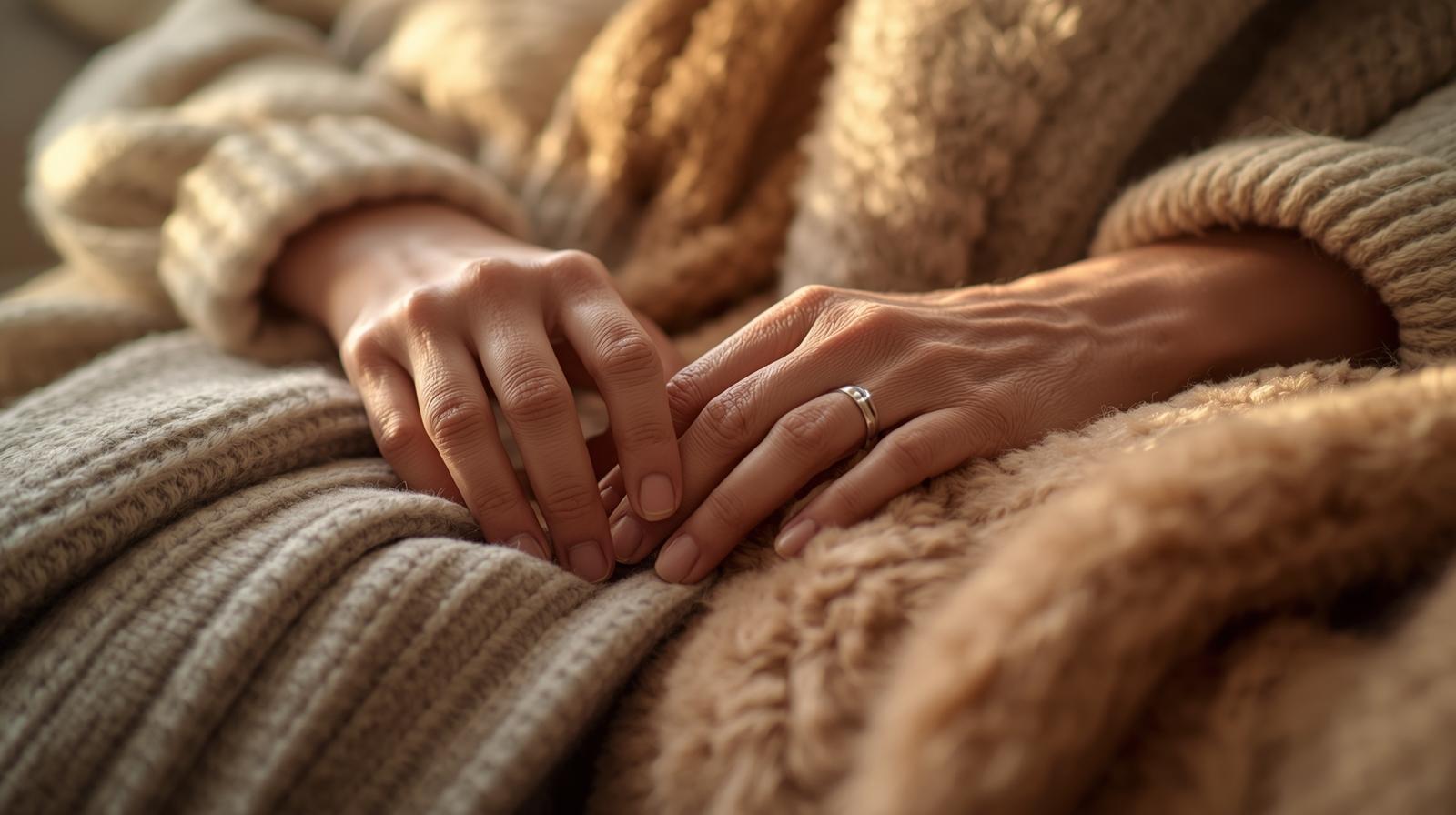
Key Comfort Characteristics
-
Soft texture to reduce friction and irritation
-
Breathability to help regulate body temperature
-
Lightweight feel to avoid pressure on the body
-
Stretch and flexibility for easier movement
-
Moisture absorption to keep skin dry
These features support comfort whether seniors are moving, sitting, or resting.
Fabrics Commonly Recommended for Seniors
Some fabrics are widely preferred because they are gentle on the skin and easy to wear.
Common Comfortable Fabric Options
Cotton
Soft, breathable, and suitable for sensitive skin, cotton is a popular everyday choice.
Bamboo fabric
Naturally smooth and moisture-wicking, bamboo fabric helps regulate temperature and reduce irritation.
Jersey knit
Stretchy and lightweight, jersey knit allows freedom of movement and easy dressing.
Modal
A soft, breathable fabric that maintains its shape and resists shrinkage.
Fabric blends
Cotton blends with a small amount of stretch offer comfort with added flexibility.
Supporting Skin Health and Reducing Irritation
Comfortable fabrics help reduce common skin concerns such as redness, itching, or pressure marks. Tag-free designs, flat seams, and smooth finishes further improve comfort, especially for seniors who spend extended periods sitting or lying down.
Proper fabric selection can support healthier skin and reduce discomfort throughout the day.
Seasonal Fabric Considerations
Fabric needs may change depending on weather and indoor temperatures.
Seasonal Comfort Tips
-
Warm seasons: Lightweight cotton or bamboo fabrics
-
Cool seasons: Soft fleece or brushed cotton for warmth
-
Layering: Thin, breathable layers instead of heavy garments
Adapting fabrics to seasonal changes helps maintain consistent comfort.
Encouraging Independence Through Comfortable Clothing
Clothing that feels good encourages seniors to remain active and independent. When fabrics are comfortable, dressing becomes easier and less tiring, supporting confidence and daily participation in activities.
Comfortable clothing can also positively affect mood and willingness to engage socially.
Role of Caregivers in Fabric Selection
Caregivers often assist with clothing choices and can help by prioritizing soft, breathable materials. Organizing wardrobes and removing uncomfortable garments simplifies daily dressing routines.
Observing how seniors respond to different fabrics helps identify the best options for ongoing comfort.
Community-Based Support for Daily Comfort
Community-based care services often guide families in making everyday decisions that improve quality of life. Fabric selection is a simple yet impactful choice that supports comfort, dignity, and well-being.
Informational Note on Talent by Friendly Faces
Talent by Friendly Faces emphasizes people-centered daily living support, helping seniors and families make practical choices that enhance comfort, safety, and independence. Their approach highlights how thoughtful details—such as fabric selection—can significantly improve everyday life.
 Common Questions
Are natural fabrics better for seniors?
Natural fabrics are often preferred for softness and breathability, though some blends can also be very comfortable.
Can fabric choice affect skin conditions?
Yes. Gentle, breathable materials may help reduce irritation and dryness.
Should seniors avoid all synthetic fabrics?
Not necessarily. Some modern synthetics are designed to be soft and moisture-wicking.
How often should clothing be replaced?
When fabrics become stiff, rough, or worn, replacing them helps maintain comfort.
Choosing the right clothing materials plays an important role in supporting comfort, skin health, and independence for older adults. By focusing on softness, breathability, and flexibility, seniors can enjoy clothing that feels comfortable throughout the day.
Understanding the benefits of comfortable fabrics allows families and caregivers to make informed decisions that promote dignity, confidence, and long-term well-being.