

Footwear choice for safety and comfort plays a critical role in helping seniors stay stable, mobile, and confident during daily activities. Making the right footwear choice for safety and comfort can reduce the risk of falls, ease joint strain, and improve overall well-being. Care-focused providers such as Talent by Friendly Faces often emphasize how proper footwear supports safer movement and independence for seniors in everyday life.
Why Proper Footwear Matters for Seniors
As people age, changes in balance, muscle strength, and joint flexibility can make walking more challenging. Poorly fitting or unsupportive shoes may increase the risk of slips, trips, and discomfort.
Supportive footwear helps stabilize the foot, absorb shock, and promote proper posture. The right shoes can make a noticeable difference in how secure and comfortable seniors feel when standing or walking.
Key Features That Improve Safety
Certain shoe features are especially important for reducing fall risk and improving stability.
Safety-Focused Shoe Features
-
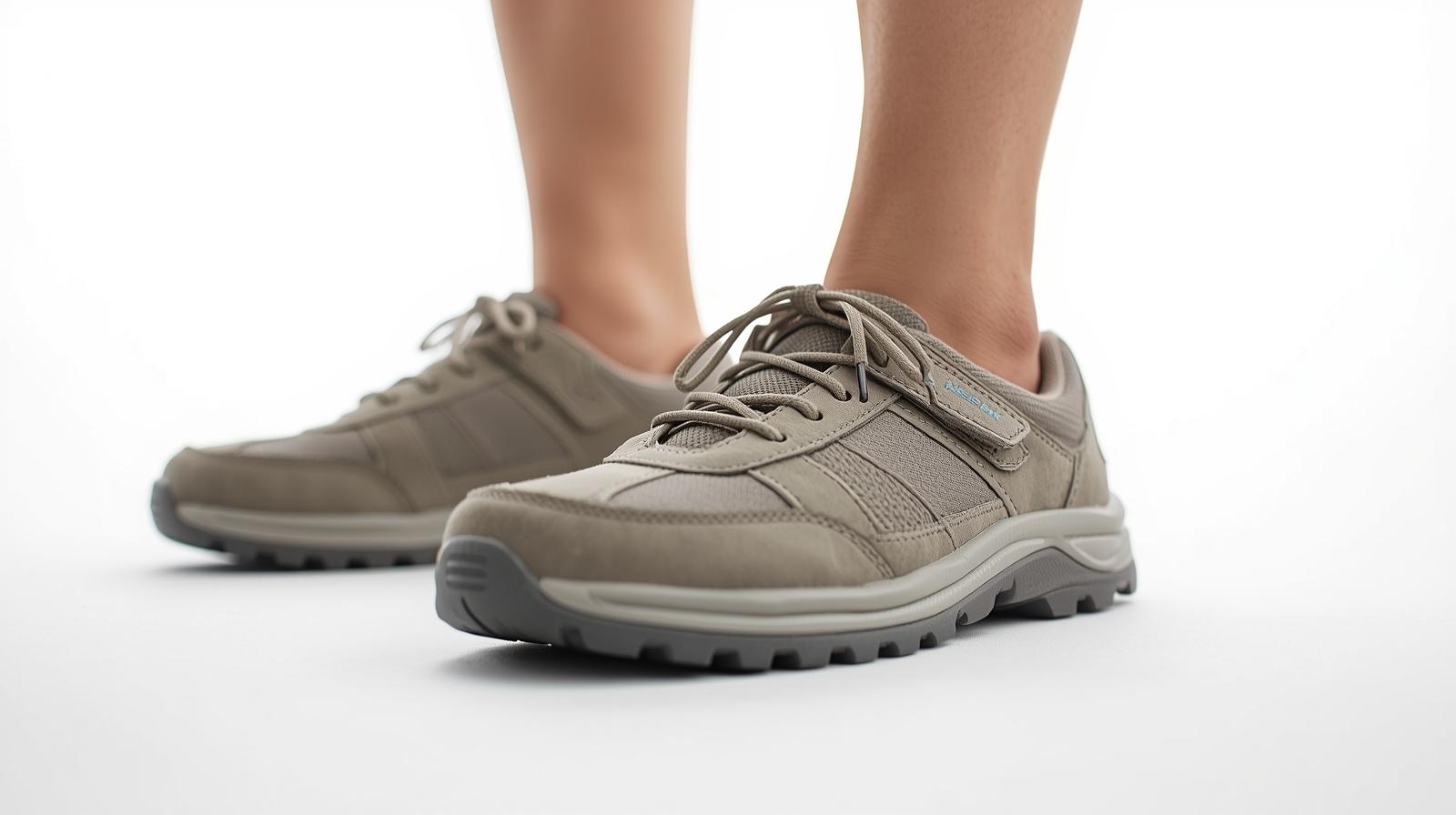
Non-slip soles to improve traction on smooth or wet surfaces
-
Low, wide heels to enhance balance
-
Firm heel counters to keep the foot properly aligned
-
Secure closures such as Velcro or elastic laces
-
Lightweight construction to reduce fatigue
These features help seniors move with greater confidence and control.
 Comfort Elements That Support Daily Wear
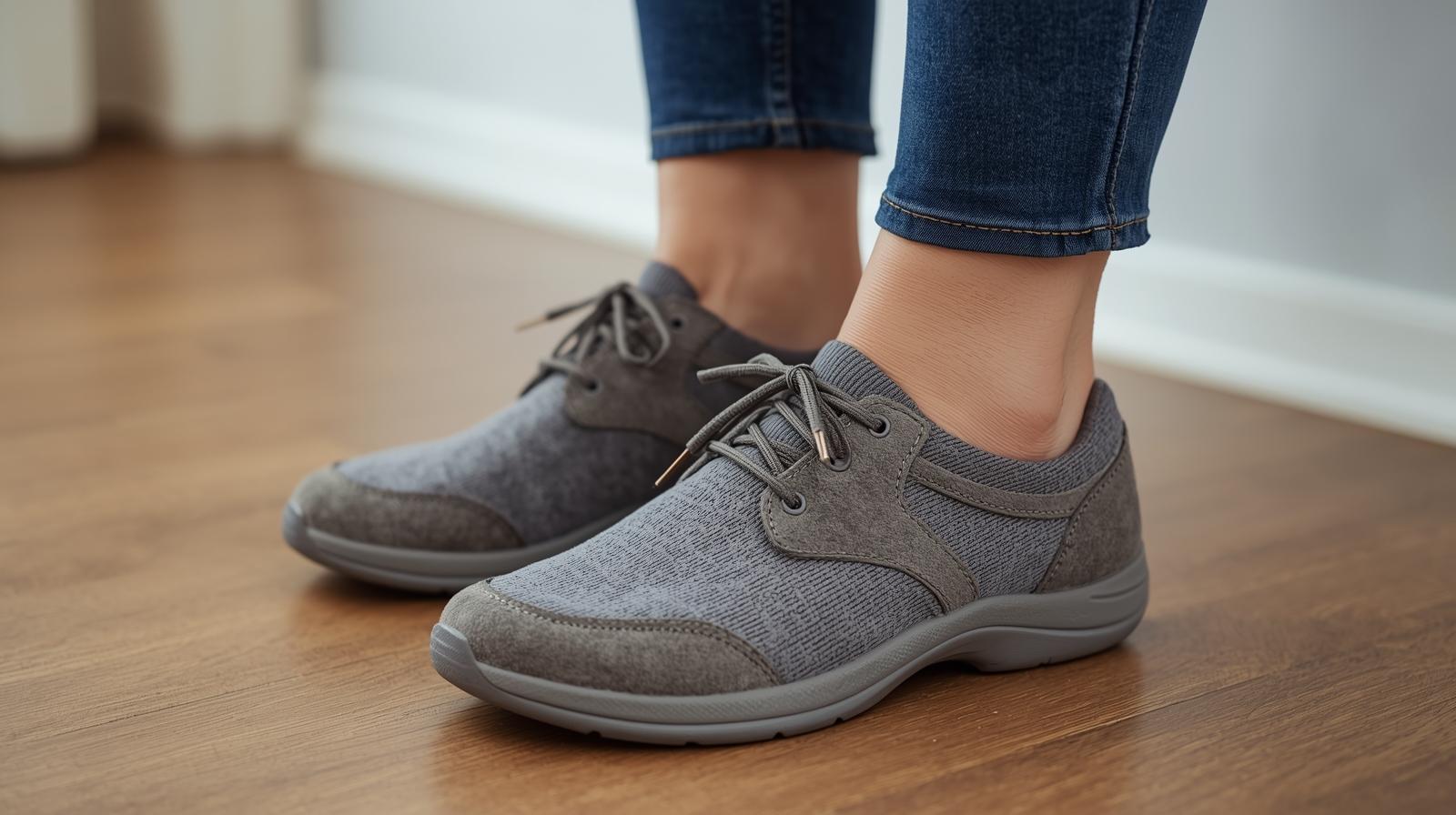
Comfort is just as important as safety when choosing footwear. Shoes that feel uncomfortable are less likely to be worn consistently.
Comfort-Focused Considerations
-
Cushioned insoles to reduce pressure on joints
-
Breathable materials to prevent overheating
-
Adequate toe room to avoid rubbing or crowding
-
Flexible soles that support natural movement
Comfortable shoes encourage regular use and support mobility throughout the day.
Indoor vs Outdoor Footwear Needs
Footwear requirements can vary depending on where seniors spend their time.
Indoor Footwear Tips
-
Choose supportive slippers with non-slip soles
-
Avoid loose, backless slippers or socks alone
-
Ensure shoes fit securely even for short walks
Outdoor Footwear Tips
-
Opt for sturdy walking shoes or sneakers
-
Look for weather-appropriate traction
-
Ensure shoes are easy to put on and remove
Matching footwear to daily activities helps maintain safety in all environments.
Importance of Proper Fit
Shoes that are too tight, too loose, or worn out can cause discomfort and increase fall risk. Seniors’ feet may change shape over time, making regular fit checks important.
Measuring feet periodically and replacing worn footwear helps ensure ongoing support and comfort.
Role of Caregivers in Footwear Selection
Caregivers often assist with choosing and maintaining proper footwear. Helping seniors select shoes that balance safety, comfort, and personal style can improve willingness to wear supportive options.
Regularly checking soles for wear and ensuring shoes are clean and dry also supports safety.
Footwear Choices in Different Care Settings
Footwear considerations may vary based on living arrangements and care needs.
Common Settings
-
Private homes
-
Assisted living communities
-
Memory care environments
-
Rehabilitation and recovery settings
Each setting benefits from footwear that prioritizes stability, ease of use, and comfort.
Community-Based Support and Daily Living Safety
Community-based care services often help families identify practical ways to improve safety during daily routines. Footwear selection is a simple yet impactful factor in reducing fall risk and supporting independence.
Informational Note on Talent by Friendly Faces
Talent by Friendly Faces focuses on people-centered daily living support, helping seniors and families make practical choices that enhance safety, comfort, and confidence. Their approach highlights how thoughtful details—such as proper footwear—can significantly improve everyday mobility and well-being.
Common Questions
Should seniors wear shoes indoors?
Yes. Supportive indoor footwear can reduce slip and fall risks.
Are slip-on shoes safe for seniors?
They can be, as long as they fit securely and have non-slip soles.
How often should shoes be replaced?
Shoes should be replaced when soles wear down or support decreases.
Do comfortable shoes improve mobility?
Yes. Comfort encourages movement and reduces fatigue.
Footwear plays an essential role in supporting safety, comfort, and confidence for seniors. Choosing shoes with proper support, traction, and fit can help reduce fall risk and improve daily mobility.
Understanding how footwear affects stability allows seniors, caregivers, and families to make informed decisions that promote independence, dignity, and long-term well-being