

Skin care essentials for older adults are an important part of maintaining comfort, skin health, and overall well-being as the body changes with age. Because aging skin becomes thinner, drier, and more sensitive, following proper skin care essentials for older adults helps reduce irritation, prevent breakdown, and support daily comfort. Supportive care providers such as Friendly Faces Senior Care often emphasize consistent, gentle skin care as a key element of respectful and dignified daily living support.
How Aging Affects the Skin
As people age, the skin naturally loses moisture, elasticity, and protective oils. This can lead to dryness, itching, increased sensitivity, and slower healing. Reduced circulation and mobility may also affect skin integrity, especially in areas exposed to pressure.
Understanding these changes helps seniors and caregivers take proactive steps to protect and nourish the skin.
Daily Cleansing Practices
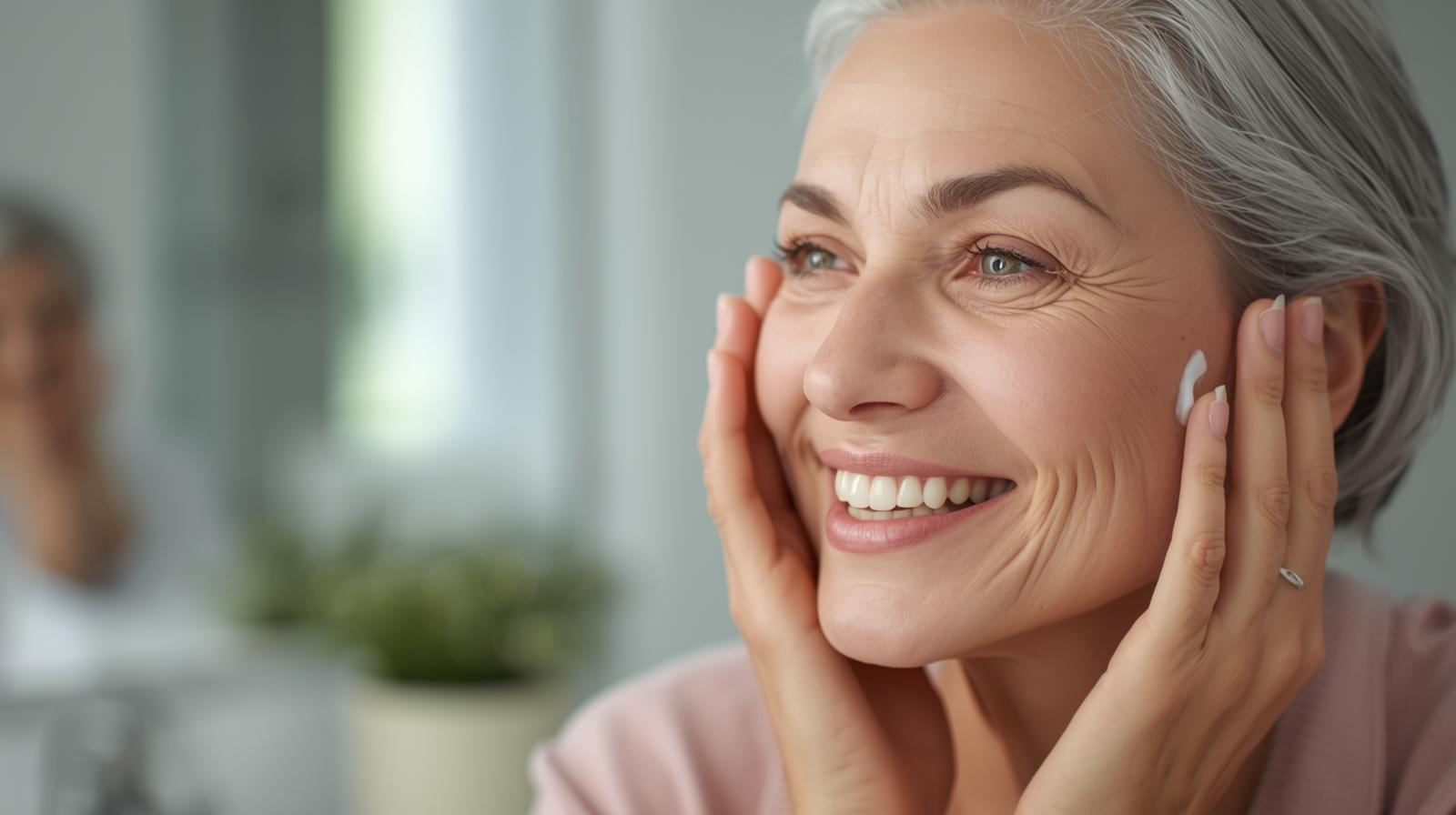
Gentle cleansing is the foundation of healthy skin for older adults.
 Cleansing Tips
-
Use mild, fragrance-free cleansers
-
Avoid harsh soaps that strip natural oils
-
Limit bathing time to prevent dryness
-
Use lukewarm water instead of hot water
Proper cleansing helps keep skin clean without causing irritation.
Importance of Moisturizing Regularly
Moisturizing helps restore hydration and protect the skin barrier.
Moisturizing Practices
-
Apply moisturizer immediately after bathing
-
Use thick creams or ointments for very dry skin
-
Focus on areas prone to dryness, such as arms, legs, and feet
-
Reapply as needed throughout the day
Consistent moisturizing reduces itching and improves comfort.
Protecting Sensitive and Fragile Skin
Older adults are more prone to bruising, tears, and pressure-related skin issues.
Skin Protection Tips
-
Wear soft, breathable clothing
-
Avoid tight garments that cause friction
-
Use gentle towels and pat skin dry
-
Keep fingernails trimmed to prevent scratching
These steps help protect fragile skin from injury.
Sun Protection for Older Adults
Sun exposure continues to affect skin health later in life.
Sun Care Tips
-
Apply broad-spectrum sunscreen when outdoors
-
Wear protective clothing and hats
-
Limit time in direct sunlight
-
Pay attention to frequently exposed areas
Sun protection helps reduce the risk of skin damage and discomfort.
Monitoring Skin Changes
Regular skin checks allow early identification of potential concerns.
What to Watch For
-
Persistent redness or irritation
-
Open sores or slow-healing areas
-
Changes in skin color or texture
-
Signs of infection
Early attention helps prevent complications and promotes healthier skin.
Role of Caregivers in Skin Care Support
Caregivers often assist with daily skin care routines while encouraging independence when possible. Providing support in a calm and respectful manner helps preserve dignity and comfort.
Preparing supplies in advance and maintaining consistent routines can make skin care easier and more effective.
Skin Care Across Different Living Environments
Skin care needs may vary depending on living situations.
Common Settings
-
Private homes
-
Assisted living communities
-
Memory care environments
-
Rehabilitation or recovery settings
Each setting benefits from individualized skin care approaches based on mobility, health, and comfort needs.
Community-Based Support for Skin Health
Community-based senior care services provide valuable support in managing daily skin care needs. Professional assistance helps ensure routines are safe, consistent, and tailored to individual requirements.
 Informational Note on Friendly Faces Senior Care
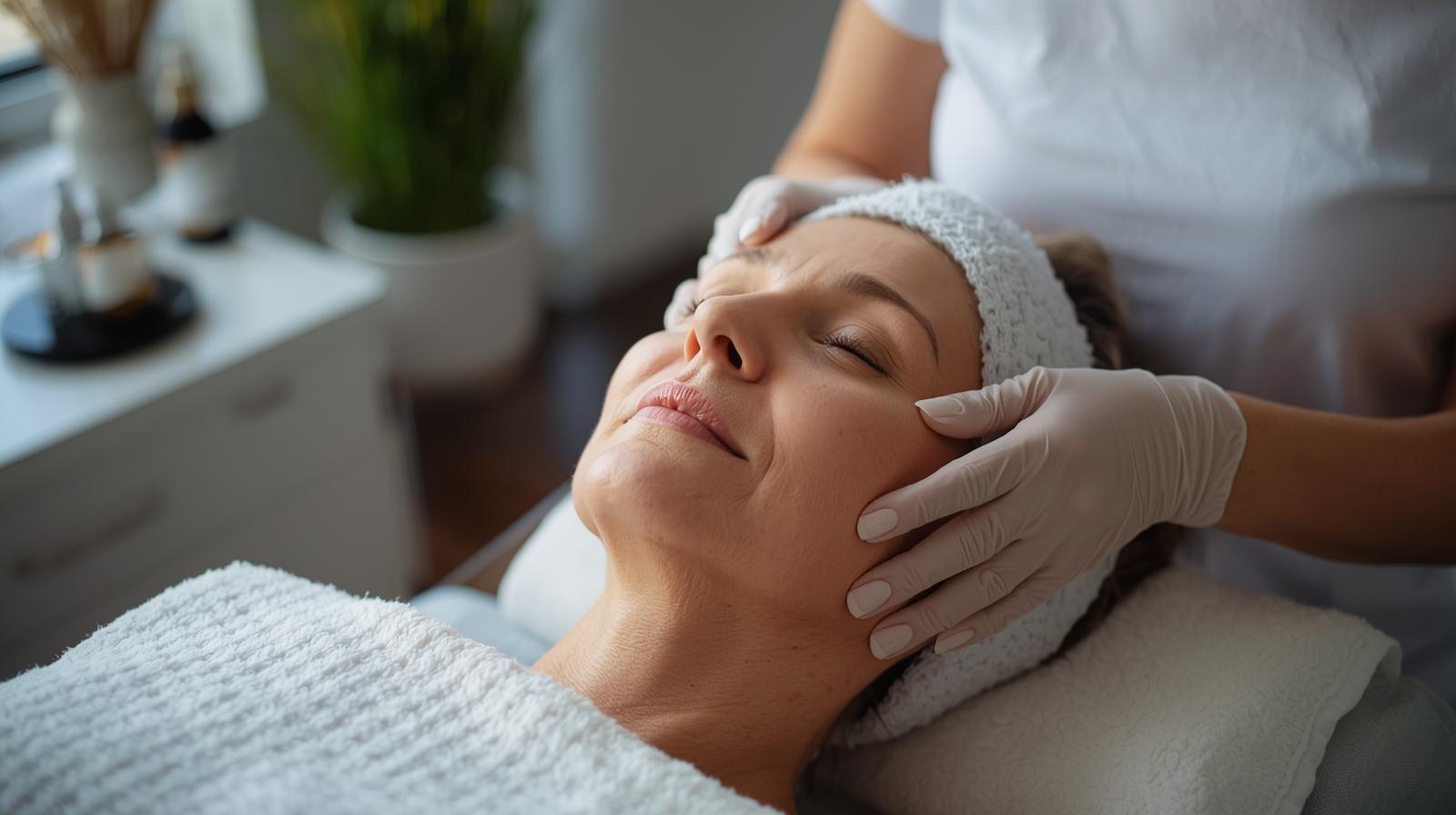
Friendly Faces Senior Care provides supportive personal care services that prioritize skin health, comfort, and dignity. Their people-centered approach highlights how attentive daily routines—such as proper skin care—can improve comfort, prevent complications, and enhance overall quality of life for older adults.
Common Questions
How often should seniors moisturize their skin?
Daily moisturizing is recommended, especially after bathing.
Are special products required for aging skin?
Gentle, fragrance-free products are usually best.
Can dry skin cause health problems?
Yes. Cracked or irritated skin can increase infection risk.
Should caregivers check skin regularly?
Yes. Regular observation helps detect issues early.
Proper skin care plays a vital role in supporting comfort, protection, and well-being for older adults. Gentle cleansing, regular moisturizing, and ongoing monitoring help maintain healthy skin and reduce discomfort.
Understanding and following essential skin care practices allows seniors and caregivers to create daily routines that support dignity, safety, and long-term skin health.