

Bathing and grooming assistance tips help seniors maintain personal hygiene, comfort, and dignity while reducing safety risks during daily routines. When mobility, balance, or strength changes with age, following proper bathing and grooming assistance tips can make personal care safer, more manageable, and less stressful for both seniors and caregivers. Care providers such as Friendly Faces Senior Care emphasize respectful, structured approaches to personal care that support independence and well-being.
Importance of Safe Bathing and Grooming
Bathing and grooming are essential for cleanliness, skin health, and emotional confidence. Regular personal care helps prevent infections, reduces skin irritation, and allows early identification of health concerns such as rashes, sores, or swelling.
For seniors, maintaining consistent hygiene routines also supports self-esteem and a sense of normalcy in daily life.
 Preparing the Environment for Personal Care
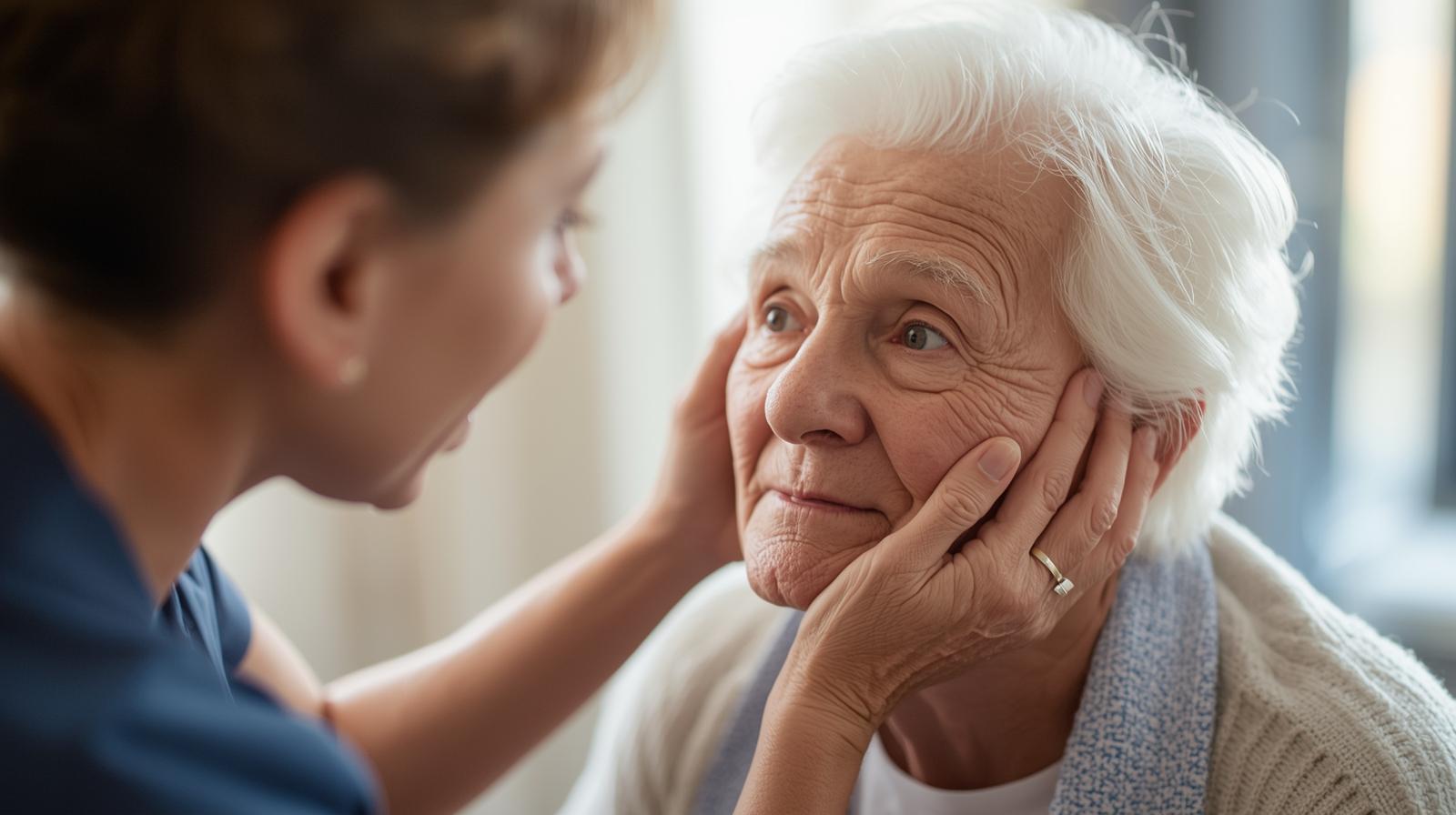
A safe and comfortable setup is key before beginning bathing or grooming tasks.
Preparation Tips
-
Ensure the bathroom is warm and well-lit
-
Use non-slip mats inside and outside the tub or shower
-
Install grab bars near bathing areas
-
Keep all supplies within easy reach
Proper preparation helps reduce anxiety and prevents accidents.
Bathing Safety Practices
Bathing can pose a fall risk if not approached carefully.
Bathing Safety Tips
-
Use shower chairs or benches for stability
-
Test water temperature before bathing
-
Encourage sitting rather than standing during washing
-
Avoid rushing the process
These practices help create a safer and more relaxed bathing experience.
Grooming Support Techniques
Grooming tasks often require fine motor skills and balance, which may be challenging for some seniors.
Grooming Assistance Tips
-
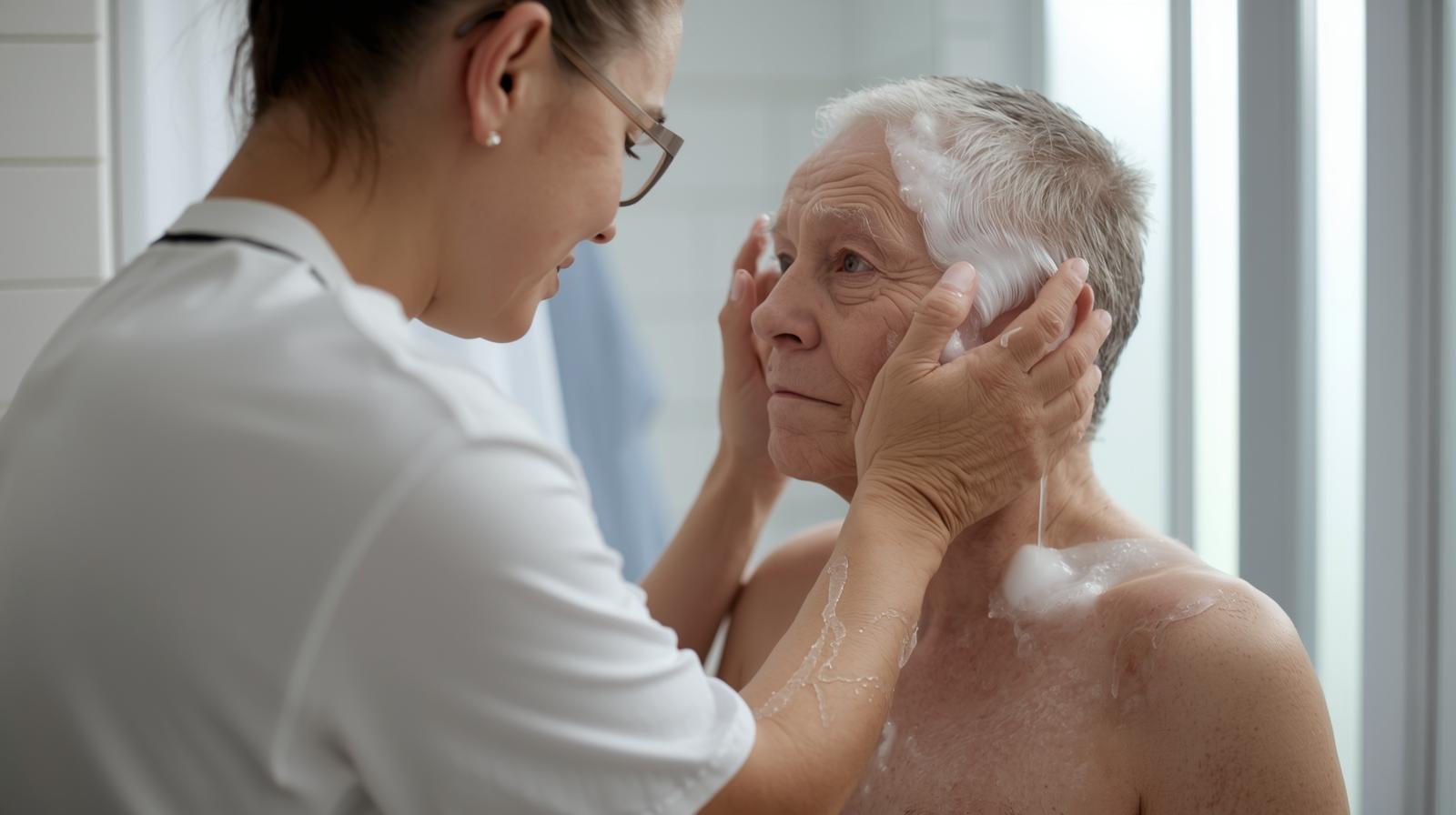
Assist with hair washing, brushing, and drying as needed
-
Use electric razors instead of manual blades
-
Provide easy-grip tools for brushing and oral care
-
Encourage participation whenever possible
Supporting involvement helps preserve independence and dignity.
Skin and Hair Care Considerations
Aging skin and hair require gentle handling and appropriate products.
Care Tips
-
Use mild, fragrance-free soaps and shampoos
-
Apply moisturizer after bathing to prevent dryness
-
Pat skin dry instead of rubbing
-
Watch for irritation or pressure areas
Consistent care supports comfort and skin health.
Encouraging Independence During Care
Whenever possible, seniors should be encouraged to perform parts of their own bathing and grooming routines. Allowing choice, offering guidance instead of taking over, and maintaining privacy helps build confidence.
Small adaptations can make a big difference in preserving autonomy.
Role of Caregivers in Personal Care Support
Caregivers play a vital role by providing calm, respectful assistance. Clear communication, patience, and reassurance help reduce stress and make personal care a positive experience.
Establishing predictable routines can also improve cooperation and comfort.
Bathing and Grooming in Different Care Settings
Personal care approaches may vary depending on the living environment.
Common Settings
-
Private homes
-
Assisted living communities
-
Memory care environments
-
Rehabilitation or recovery settings
Each setting benefits from individualized care routines based on mobility and cognitive needs.
Community-Based Personal Care Support
Professional care services help families manage bathing and grooming safely at home. Trained caregivers ensure routines are consistent, respectful, and tailored to individual needs.
Informational Note on Friendly Faces Senior Care
Friendly Faces Senior Care provides compassionate personal care services that include bathing and grooming support. Their people-centered approach prioritizes safety, comfort, and dignity while helping seniors maintain daily hygiene and confidence.
Common Questions
How often should seniors bathe?
Bathing frequency depends on skin condition, comfort, and activity level.
Is standing in the shower safe for seniors?
Sitting is generally safer and reduces fall risk.
Should caregivers encourage independence?
Yes. Participation supports confidence and dignity.
When is professional help recommended?
When mobility or safety concerns make personal care difficult at home.
Safe and respectful personal care routines play an essential role in senior health and emotional well-being. With proper preparation, supportive tools, and thoughtful assistance, bathing and grooming can remain comfortable and dignified parts of daily life.
Understanding effective personal care practices allows seniors and caregivers to create routines that promote safety, independence, and long-term well-being.