

Access to consistent, dependable in-home support is an essential part of helping older adults maintain comfort and stability as they age. In Grimes County, many families prefer care solutions that allow seniors to remain in their own homes while receiving structured assistance with daily activities. Friendly Faces Senior Care provides professional in-home services designed to promote safety, routine, and peace of mind for families. Choosing a Caregiver at Home in Grimes County allows seniors to continue familiar daily patterns while families feel confident that reliable support is in place.
In-Home Care and Daily Living Support
In-home senior care focuses on non-medical assistance delivered in a private residence. These services support older adults who may experience difficulty managing everyday activities due to aging, limited mobility, or chronic health conditions. Care is provided according to an individualized plan that reflects personal routines, physical abilities, and lifestyle preferences.
Receiving care at home helps minimize disruption to daily life. Seniors remain surrounded by familiar environments, personal belongings, and established routines, all of which contribute to emotional stability and a greater sense of comfort.
 Stability Through Familiar Routines
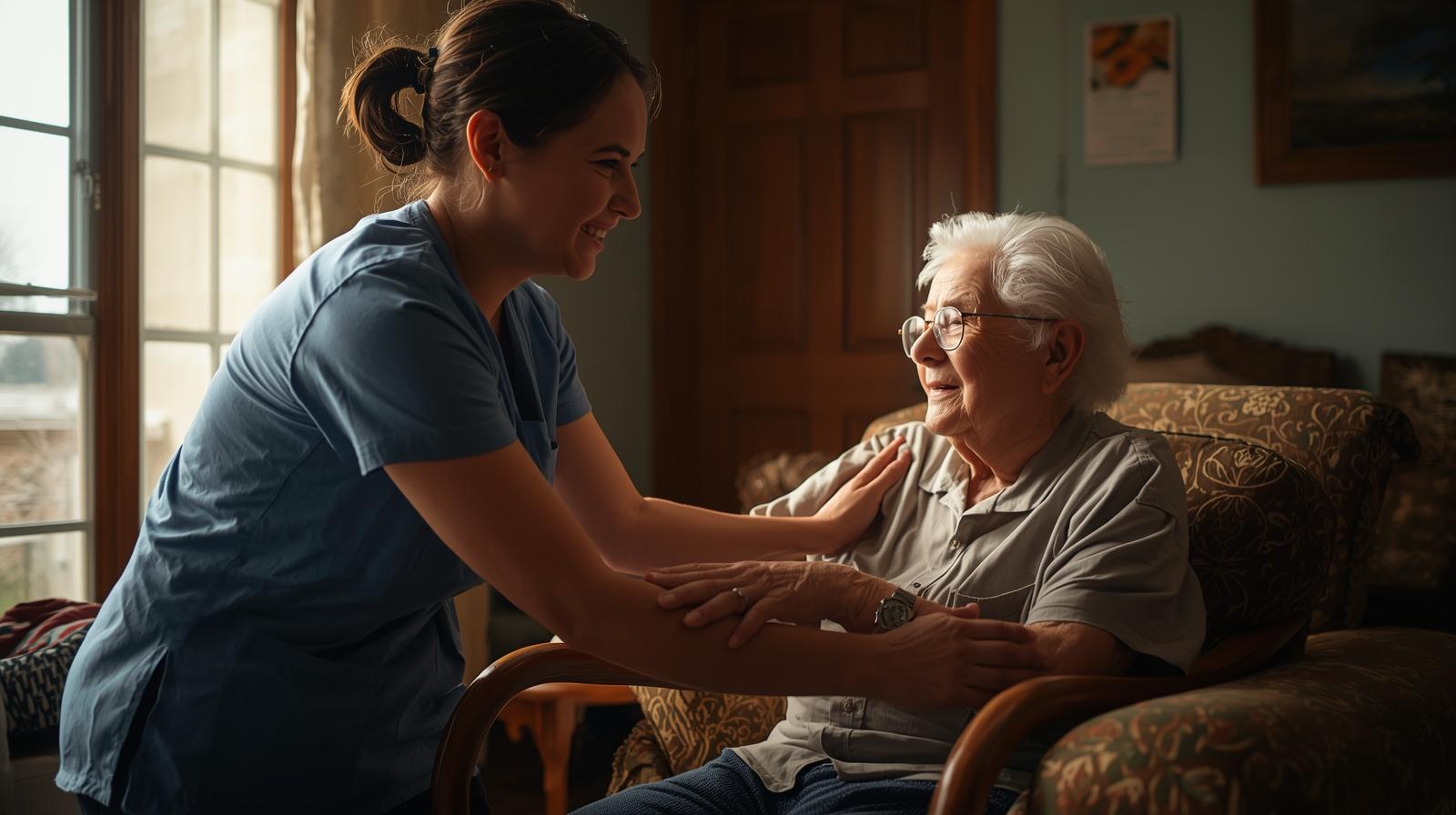
Daily routines provide structure and predictability, which are especially important for aging adults. Regular schedules for meals, personal care, rest, and activities support both physical health and emotional balance.
In-home caregivers work within existing routines rather than replacing them. Assistance is delivered in a way that aligns with established habits, helping seniors maintain consistency while receiving support where needed.
Maintaining Comfort at Home
Comfort extends beyond physical needs. Feeling relaxed and secure in one’s own home plays a significant role in overall well-being. Familiar spaces, preferred seating, personal décor, and long-standing habits all contribute to a sense of ease.
Caregivers help maintain this comfort by supporting daily tasks without disrupting the home environment. Small details, such as preferred meal times or favorite activities, are respected as part of personalized care.
Supporting Independence With Guided Assistance
Independence does not mean managing everything alone. In-home caregiving focuses on providing assistance that complements a senior’s abilities while reducing safety risks.
Caregivers offer help with tasks that may be physically demanding or unsafe while encouraging participation whenever possible. This balanced approach supports confidence, preserves physical function, and promotes a sense of control over daily life.
Core In-Home Care Services
In-home caregiving services are structured around essential activities that support comfort and daily stability.
Personal Care Assistance
Caregivers assist with bathing, grooming, dressing, and toileting while maintaining privacy and respect. These services support hygiene, comfort, and self-esteem.
Mobility and Transfer Support
Assistance with walking, standing, sitting, and transfers helps reduce fall risks and supports safer movement throughout the home.
Meal Preparation and Nutrition
Meals are prepared according to dietary needs and personal preferences. Proper nutrition supports energy levels, medication effectiveness, and overall health.
Light Household Assistance
Basic tasks such as laundry, dishwashing, and tidying help maintain a clean and organized living space, contributing to safety and comfort.
Companionship and Supervision
Regular interaction with a caregiver provides social engagement and general oversight, helping reduce isolation and support emotional well-being.
Medication Reminders
Non-medical caregivers provide reminders to support consistent adherence to prescribed medication schedules.
Emotional Well-Being and Consistent Care
Consistency in caregiving plays an important role in emotional stability. Seeing familiar caregivers and following predictable routines can help reduce anxiety and uncertainty, particularly for seniors experiencing cognitive or memory changes.
Caregivers also provide conversation and companionship, supporting mental stimulation and social connection. These interactions contribute to overall quality of life and daily satisfaction.
Support for Families and Care Coordination
Family members often provide care out of love and responsibility, but balancing caregiving with work and personal commitments can become overwhelming. Professional in-home care helps reduce this burden by handling routine daily support.
Caregivers communicate regularly with families, sharing updates on routines, observations, and any changes in condition. This transparency supports coordinated care planning and informed decision-making.
Adapting Care as Needs Change
Care needs may change gradually over time due to health conditions, recovery from illness, or reduced mobility. In-home care services can be adjusted to reflect these changes without requiring a move to a different living environment.
Additional hours or expanded assistance can be introduced as needed, allowing care to evolve alongside changing needs while maintaining continuity.
Safety and Daily Risk Management
Safety is a key component of in-home caregiving. Caregivers help monitor daily activities, support safe movement, and identify potential household hazards.
Consistent observation allows early recognition of changes in physical strength, balance, or alertness. These observations can be communicated to families, supporting proactive responses and timely adjustments to care.
Selecting an In-Home Care Provider
Choosing an in-home care provider involves evaluating caregiver training, consistency, communication practices, and care planning processes. A structured approach to caregiver matching supports comfort and long-term stability.
Reliable providers emphasize continuity of care and relationship-building rather than short-term, task-only assistance.
 Long-Term Value of In-Home Care
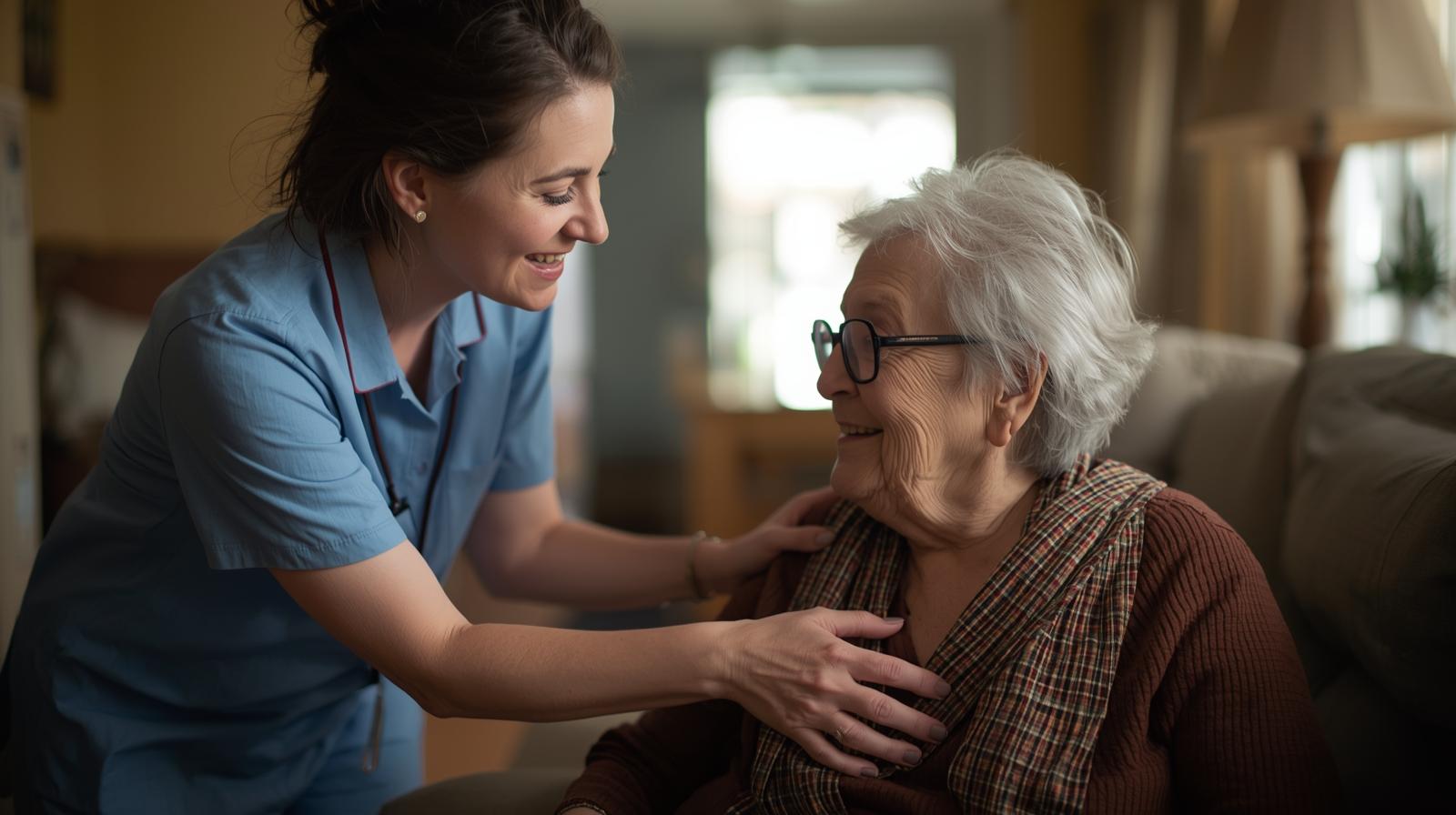
Seniors receiving consistent in-home support often experience greater stability in daily routines and fewer disruptions compared to frequent transitions between care settings. Familiar surroundings combined with structured assistance support aging in place.
A dedicated Caregiver at Home in Grimes County allows seniors to remain comfortable at home while families gain reassurance that daily needs are being met consistently and professionally.
In-home care offers a practical, adaptable solution for seniors who want to maintain comfort and daily stability while living at home. Families seeking dependable in-home support in Grimes County can rely on Friendly Faces Senior Care for professional, structured caregiving services. Contact Friendly Faces Senior Care today to learn how personalized in-home care can support comfort, routine, and long-term peace of mind for your loved one.