

Access to dependable in-home support is an important part of senior living for families in The Woodlands. Many older adults prefer to remain in familiar surroundings while receiving structured assistance that supports safety and daily routines. Friendly Faces Senior Care offers professional in-home services designed to help seniors manage everyday activities while continuing to live comfortably at home. For families exploring a caregiver at home Woodlands solution, this approach provides reassurance that consistent, reliable support is available without disrupting established lifestyles.
In-Home Care as a Safety-Focused Support Option
In-home senior care refers to non-medical assistance provided within a private residence. These services are designed to support older adults who may experience difficulty with daily tasks due to aging, reduced mobility, or ongoing health conditions. Care is delivered through an individualized plan that reflects physical ability, daily habits, and personal preferences.
Receiving care at home allows seniors to avoid unnecessary transitions into unfamiliar environments. Familiar surroundings often contribute to emotional stability and can help reduce stress that may occur with major changes in living arrangements.
Safety Considerations for Seniors Living at Home
Safety is a primary concern for seniors aging at home. Everyday household features such as stairs, loose rugs, poor lighting, or cluttered walkways can increase the risk of falls and injuries. In-home caregivers provide structured oversight to help reduce these risks as part of daily support.
Caregivers assist with safe movement throughout the home, provide supervision during higher-risk activities, and encourage consistent safety practices. Ongoing observation allows changes in balance, strength, or alertness to be identified early and shared with family members.
 Daily Structure and Routine Stability
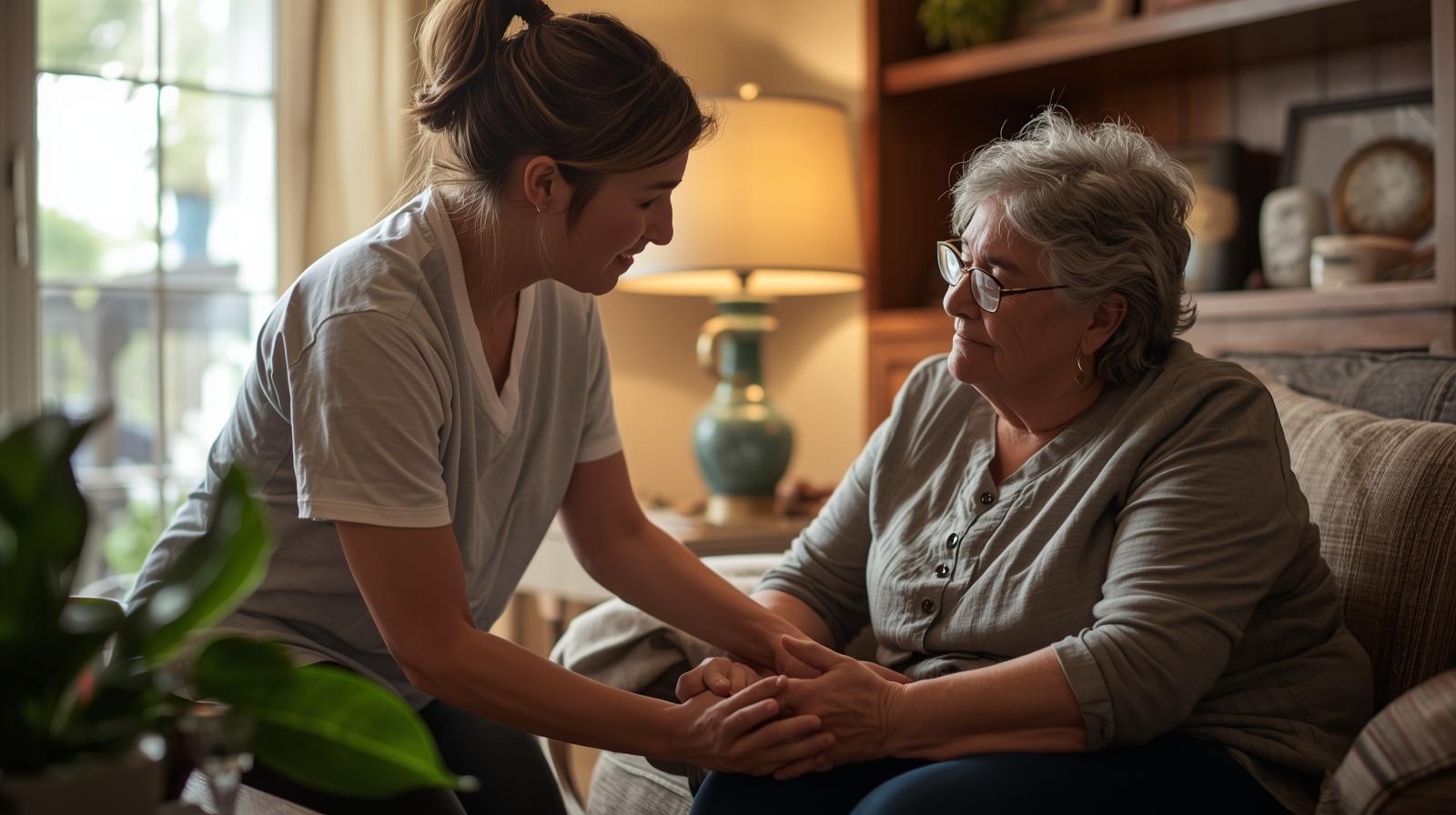
Maintaining a regular routine plays a significant role in a senior’s sense of stability. Consistent schedules for meals, personal care, rest, and activities support both physical health and emotional well-being.
In-home caregivers work within established routines rather than replacing them. Assistance is provided in a way that complements daily habits, helping seniors remain engaged in familiar activities while receiving the support they need.
Preserving Independence With Guided Assistance
Independence does not require handling every task alone. In-home caregiving focuses on providing assistance that supports safety while allowing seniors to remain involved in their own care.
Caregivers help with tasks that may present safety risks, such as mobility support or personal care, while encouraging participation whenever possible. This balanced approach supports confidence, preserves physical ability, and helps seniors maintain a sense of control over daily life.
Core In-Home Care Services
In-home caregiving services are structured around essential daily activities that promote safety, comfort, and consistency.
Personal Care Assistance
Caregivers assist with bathing, grooming, dressing, and toileting while maintaining privacy and respect. These services support hygiene, comfort, and personal dignity.
Mobility and Transfer Support
Assistance with walking, standing, sitting, and transfers helps reduce fall risks and supports safer movement throughout the home.
Meal Preparation and Nutrition
Meals are prepared according to dietary needs and personal preferences. Proper nutrition supports energy levels, medication effectiveness, and overall health.
Light Household Assistance
Tasks such as laundry, dishwashing, and tidying help maintain a clean and organized living space, contributing to safety and comfort.
Companionship and Supervision
Regular interaction with a caregiver provides social engagement and general oversight, helping reduce isolation and support emotional well-being.
Medication Reminders
Non-medical caregivers provide reminders to support consistent adherence to prescribed medication schedules.
Emotional Well-Being and Social Engagement
Emotional stability is an important part of aging safely at home. Consistent interaction with a familiar caregiver can help reduce anxiety and feelings of uncertainty. Predictable routines and regular conversation provide reassurance and mental stimulation.
Companionship also supports cognitive engagement and helps seniors remain socially connected, which can positively influence overall quality of life.
Communication and Family Involvement
In-home care supports ongoing family involvement without requiring family members to manage every aspect of daily care. Caregivers communicate regularly with families, sharing updates about routines, observations, and any noticeable changes.
This transparency allows families to stay informed and involved while focusing on their relationship with their loved one rather than daily task management.
Adjusting Care as Needs Change
Care needs may change gradually due to health conditions, recovery from illness, or reduced mobility. In-home care services can be adjusted to reflect these changes without requiring seniors to move to a new living environment.
Additional hours or expanded services can be introduced as needed, allowing care to evolve while maintaining continuity and familiarity.
Safety Monitoring and Risk Reduction
Ongoing safety monitoring is a key part of in-home caregiving. Caregivers help identify potential household hazards, support fall prevention strategies, and assist with safe daily routines.
Consistent supervision allows early recognition of changes that may require adjustments to care plans, helping families respond proactively and maintain safety.
Selecting a Reliable In-Home Care Provider
Choosing an in-home care provider involves reviewing caregiver training, consistency, communication practices, and care planning processes. A structured approach to caregiver matching supports comfort and long-term stability.
Reliable providers emphasize continuity of care and relationship-building rather than short-term, task-based assistance.
Long-Term Benefits of In-Home Care
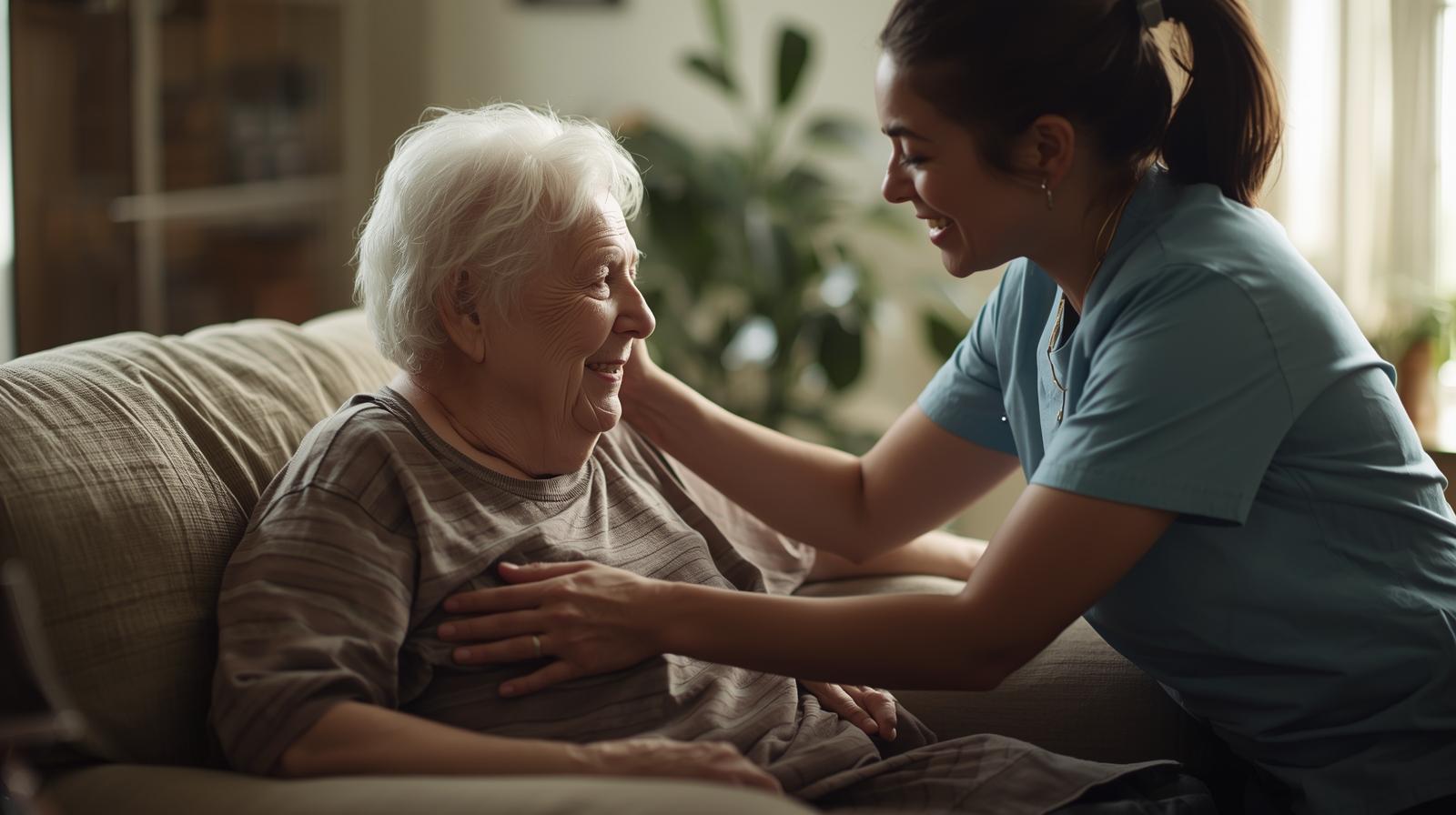
Seniors who receive consistent in-home support often experience greater stability in daily routines and fewer disruptions compared to frequent transitions between care settings. Familiar surroundings combined with structured assistance support aging in place.
Having access to a dependable caregiver at home Woodlands allows seniors to remain safe at home while families gain reassurance that daily needs are being met consistently and professionally.
In-home care provides a practical and adaptable solution for seniors who want to remain safe at home while managing daily living needs. Families seeking dependable in-home support in The Woodlands can rely on Friendly Faces Senior Care for professional, structured caregiving services. Contact Friendly Faces Senior Care today to learn how personalized in-home care can support safety, comfort, and long-term peace of mind for your loved one.