

At Friendly Faces Senior Care, we understand that dressing is more than just putting on clothes—it’s a daily ritual that supports dignity, comfort, and independence. For seniors, dressing routines can sometimes become challenging due to mobility limitations, health conditions, or cognitive changes. Caregivers play a vital role in making this process smoother, ensuring that seniors feel respected, safe, and confident in their appearance.
This guide explores practical ways caregivers can support dressing routines, focusing on comfort, safety, and emotional well‑being.
Why Dressing Routines Matter
Clothing is deeply personal. It reflects identity, provides protection, and influences mood. For seniors, dressing routines are important because they:
- Promote independence by allowing seniors to participate in their own care.
- Support health and safety through appropriate clothing choices.
- Boost confidence and dignity, helping seniors feel presentable.
- Provide structure, creating a sense of routine and stability.
- Encourage self‑expression, allowing seniors to choose styles they enjoy.
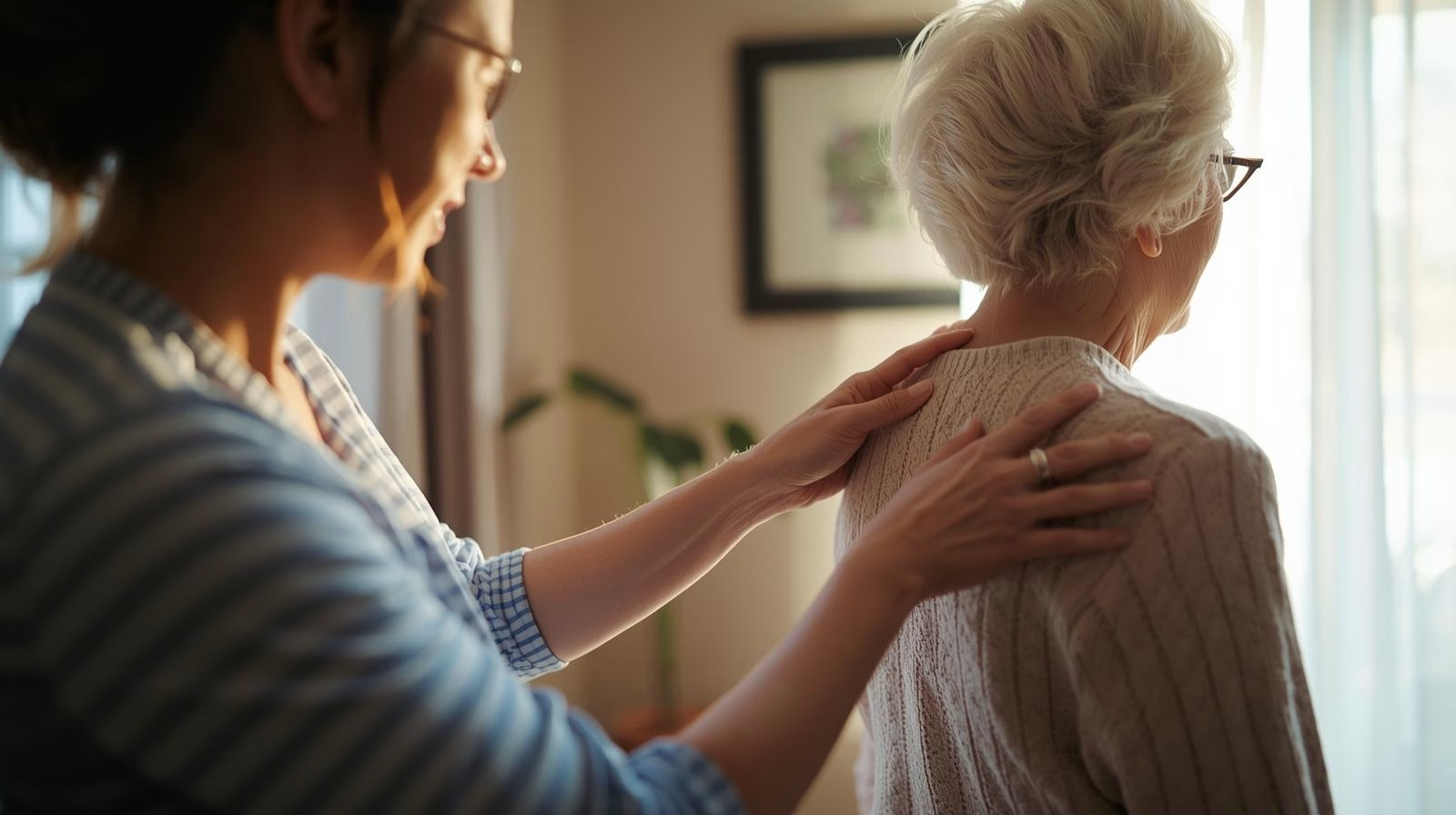
Common Challenges Seniors Face with Dressing
Caregivers often encounter specific challenges when assisting with dressing:
- Limited mobility: Arthritis, joint pain, or reduced flexibility can make dressing difficult.
- Cognitive changes: Seniors with dementia may struggle with clothing choices or sequencing.
- Skin sensitivity: Delicate skin requires soft fabrics and gentle handling.
- Temperature regulation: Seniors may feel cold or hot more easily, requiring adaptable clothing.
- Emotional resistance: Some seniors may feel embarrassed or frustrated when needing help.
Practical Caregiver Tips for Dressing Routines
Encourage Independence
- Lay out clothing options but let seniors choose what they prefer.
- Use adaptive clothing with Velcro, elastic waistbands, or magnetic snaps.
- Provide seating during dressing to reduce strain.
Simplify the Process
- Organize clothing by season and function.
- Place frequently used items within easy reach.
- Break the routine into small steps, offering gentle guidance.
Prioritize Comfort and Safety
- Choose breathable fabrics to prevent irritation.
- Select non‑slip shoes to reduce fall risks.
- Avoid tight or restrictive clothing that limits movement.
Maintain Dignity
- Respect personal style and preferences.
- Offer privacy during dressing.
- Use positive language to encourage confidence.
Seasonal Dressing Support
Caregivers can help seniors adapt to changing temperatures with thoughtful clothing choices.
- Spring: Light layers, breathable fabrics, and supportive shoes.
- Summer: Loose, lightweight clothing with sun protection.
- Autumn: Cozy knits, slip‑resistant shoes, and warm hues.
- Winter: Thermal layers, insulated coats, and non‑slip boots.
Tip: Layering allows seniors to adjust easily throughout the day.
Emotional Benefits of Dressing Support
Dressing routines aren’t just physical—they’re emotional.
- Boosts self‑esteem: Seniors feel more confident when well‑dressed.
- Encourages socialization: Feeling presentable makes seniors more likely to join activities.
- Provides routine: Grooming and dressing rituals create structure.
- Supports dignity: Clothing choices reinforce identity and self‑worth.
Caregiver’s Role in Preserving Dignity
Caregivers can make dressing a positive experience by:
- Offering choices: Allow seniors to select colors or styles they enjoy.
- Respecting privacy: Provide space and discretion during dressing.
- Encouraging participation: Even small actions, like buttoning a shirt, support independence.
- Balancing practicality with style: Seniors should feel safe but also stylish.
Adaptive Clothing Solutions
Adaptive clothing is designed to make dressing easier for seniors and caregivers.
- Velcro closures: Simplify fastening.
- Elastic waistbands: Provide comfort and flexibility.
- Magnetic snaps: Reduce strain for those with arthritis.
- Open‑back designs: Useful for seniors with limited mobility.
Tip: Adaptive clothing combines functionality with dignity, ensuring seniors feel comfortable and stylish.
Dressing Routines for Seniors with Cognitive Challenges
For seniors with dementia or memory loss, dressing routines require extra patience.
- Simplify choices: Limit options to reduce confusion.
- Use clear organization: Label drawers or closets.
- Maintain consistency: Keep routines predictable.
- Offer gentle guidance: Use calm language and step‑by‑step support.
Caregiver Checklist for Dressing Routines
Here’s a quick checklist caregivers can use:
- Comfortable, breathable fabrics.
- Adaptive clothing with easy closures.
- Non‑slip shoes for safety.
- Seasonal layers for temperature changes.
- Organized wardrobe for simplicity.
- Respectful, supportive language during dressing.
Dressing with Care and Confidence
Caregiver support with dressing routines is about more than clothing—it’s about dignity, independence, and emotional well‑being. By offering gentle guidance, adaptive solutions, and respect for personal preferences, caregivers can make dressing a positive, empowering experience for seniors.
At Friendly Faces Senior Care, we believe that thoughtful details like dressing routines make life brighter and safer for seniors. Whether it’s choosing comfortable fabrics, supporting independence, or respecting personal style, the right approach helps seniors live fully and confidently.
If you’re seeking compassionate guidance and personalized care for your loved one, reach out to Friendly Faces Senior Care today. Let us help you ensure that every day is lived with comfort, dignity, and joy.