

Aging well is rarely a solo journey; it thrives when neighbors, local organizations, and health professionals work together to create a safety net. friendly faces senior care is one example of how community-minded programs can combine practical help with companionship, making it possible for older adults to remain connected, safe, and purposeful in their own neighborhoods. Community-based elder support brings services into familiar places—homes, churches, libraries, and community centers—so older people can access care without losing the routines and relationships that matter most.
Why Community-Based Support Matters
Community-based approaches shift the focus from episodic medical care to ongoing well-being. Instead of waiting for crises, these programs emphasize prevention, early intervention, and social inclusion. That matters because many challenges older adults face—loneliness, mobility decline, medication confusion—are best addressed through coordinated local efforts rather than isolated clinical visits.
- Social connection reduces isolation and supports mental health.
- Local access removes transportation barriers and keeps services culturally relevant.
- Early detection of changes in function or mood prevents hospitalizations and supports aging in place.
When neighbors, volunteers, and professionals collaborate, the result is a more resilient environment where older adults can thrive rather than merely cope.
Core Community Programs and Services
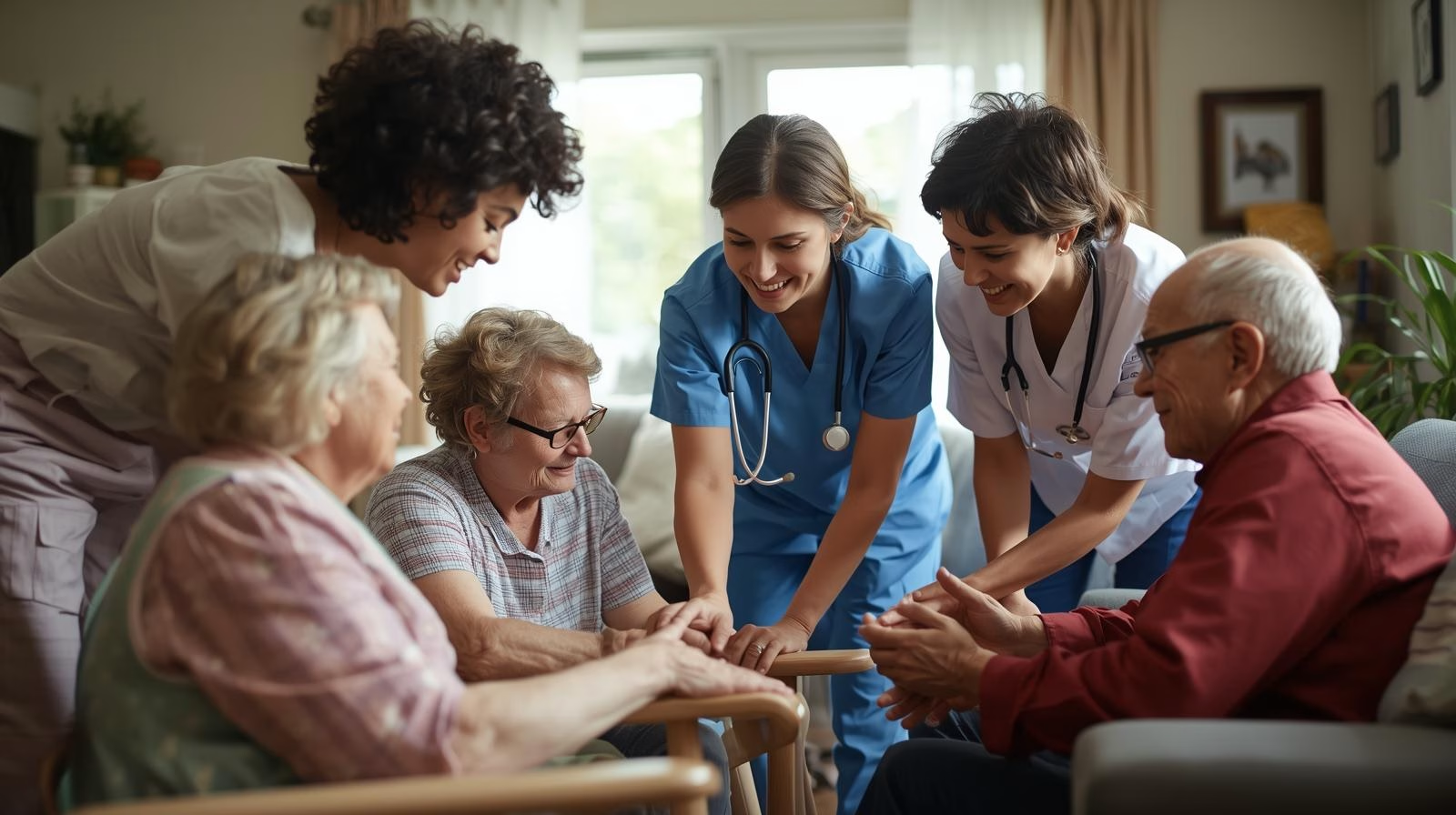
A strong community network offers a mix of practical supports and enrichment opportunities. These services are often delivered by a combination of nonprofit agencies, municipal programs, faith groups, and small businesses.
- Home-based supports: Personal care, medication reminders, and light housekeeping help people maintain daily routines.
- Meal programs: Congregate dining and meal delivery ensure nutrition and create social moments.
- Transportation services: Volunteer drivers and subsidized transit connect seniors to appointments and social activities.
- Senior centers and day programs: These hubs provide exercise classes, educational workshops, and social clubs.
- Care coordination and case management: Professionals help navigate benefits, schedule services, and link families to resources.
- Health promotion and chronic disease management: Community health workers and nurses run screenings, blood pressure clinics, and self-management workshops.
- Falls prevention and home modification: Assessments, grab-bar installation, and balance classes reduce injury risk.
- Intergenerational initiatives: Programs that pair youth with elders foster mutual learning and reduce ageism.
- Respite and caregiver support: Short-term relief and training for family caregivers sustain long-term caregiving relationships.
- Volunteer and peer support networks: Trained volunteers provide companionship, check-ins, and practical help.
These elements work best when they are flexible, culturally sensitive, and tailored to local needs.
Building Capacity in Local Communities
Creating effective community-based elder support requires planning, partnerships, and sustainable funding. Municipal leaders, nonprofit directors, and grassroots organizers can take practical steps to strengthen local capacity.
- Map existing resources: Identify what services already exist, where gaps remain, and which populations are underserved.
- Foster partnerships: Encourage collaboration among health systems, social service agencies, faith communities, and businesses to share expertise and reduce duplication.
- Train local workers: Invest in training for community health workers, volunteers, and home aides so they can recognize early warning signs and provide culturally competent care.
- Leverage technology thoughtfully: Use telehealth, remote monitoring, and simple communication tools to extend reach while preserving human contact.
- Secure diverse funding: Combine public grants, philanthropic support, and fee-for-service models to create a stable financial base.
- Engage older adults in planning: Include seniors in advisory roles so programs reflect real priorities and preferences.
Small investments—like a volunteer driver program or a weekly wellness check—can produce outsized benefits when they are coordinated and community-led.
The Role of Caregivers and Volunteers
Family caregivers and volunteers are the backbone of community-based support. Their contributions range from hands-on care to emotional presence, and they often bridge gaps that formal services cannot fill.
- Family caregivers provide daily assistance, advocate with healthcare providers, and maintain continuity across care settings. Support for these caregivers—training, respite, and peer groups—reduces burnout and improves outcomes for the person receiving care.
- Volunteers offer companionship, transportation, and practical help. With basic training and supervision, volunteers can safely expand the reach of programs and create meaningful social connections.
- Peer leaders—older adults who lead exercise classes, discussion groups, or outreach—bring credibility and relatability that professional staff sometimes cannot match.
Recognizing and supporting these contributors with clear roles, training, and appreciation strengthens the entire system.
Measuring Impact and Sustaining Success
To ensure programs deliver real benefits, communities should track outcomes and adapt based on evidence. Useful measures include functional status, hospital readmissions, social participation, caregiver stress, and client satisfaction. Collecting both quantitative data and personal stories helps demonstrate value to funders and policymakers.
- Short-term indicators: Attendance at programs, number of home visits, and completion of safety modifications.
- Health outcomes: Reduced falls, better chronic disease control, and fewer emergency visits.
- Social outcomes: Increased social engagement, reduced loneliness, and improved mood.
- Economic indicators: Cost savings from avoided hospitalizations and delayed institutional care.
Sustaining success also depends on continuous community engagement, transparent reporting, and flexible funding models that allow programs to scale or pivot as needs change.
Community-based elder support transforms neighborhoods into places where older adults are seen, valued, and supported. By combining practical services—like transportation, meal programs, and home-based care—with opportunities for social connection and purposeful activity, communities can help people age with dignity and independence. Local partnerships, trained volunteers, and responsive funding make these systems resilient and effective.
If you care about building stronger supports where you live, start small and think local. Volunteer at a senior center, join a neighborhood check-in program, or connect with organizations that coordinate services. If you’re exploring options for a loved one, schedule a community assessment to learn what supports are available and how they can be tailored to your family’s needs. Reach out today to a local care coordinator or community agency and take the first step toward a safer, more connected future for the older adults in your neighborhood.