

Imagine being greeted by friendly faces, warm smiles, and gentle hands ready to help. That’s the heart of elderly assistance for mobility issues—services designed not only to support physical movement but also to nurture dignity, independence, and emotional well-being. In today’s busy world, where families balance careers, children, and countless responsibilities, these services ensure seniors continue to thrive while overcoming the challenges of limited mobility.
Why Elderly Assistance for Mobility Issues Matters
Mobility challenges are among the most common difficulties faced by seniors. Whether caused by arthritis, injury, neurological conditions, or simply the natural aging process, reduced mobility can affect independence and quality of life. Elderly assistance for mobility issues provides tailored support that helps seniors remain active, safe, and engaged.
- Independence preserved: Seniors can continue living in their own homes with mobility support.
- Peace of mind for families: Loved ones know trained caregivers are present to assist with movement.
- Holistic well-being: Assistance nurtures physical, emotional, and social health.
Types of Elderly Assistance for Mobility Issues
Mobility support can take many forms, depending on the individual’s condition and requirements:
1. Personal Mobility Support
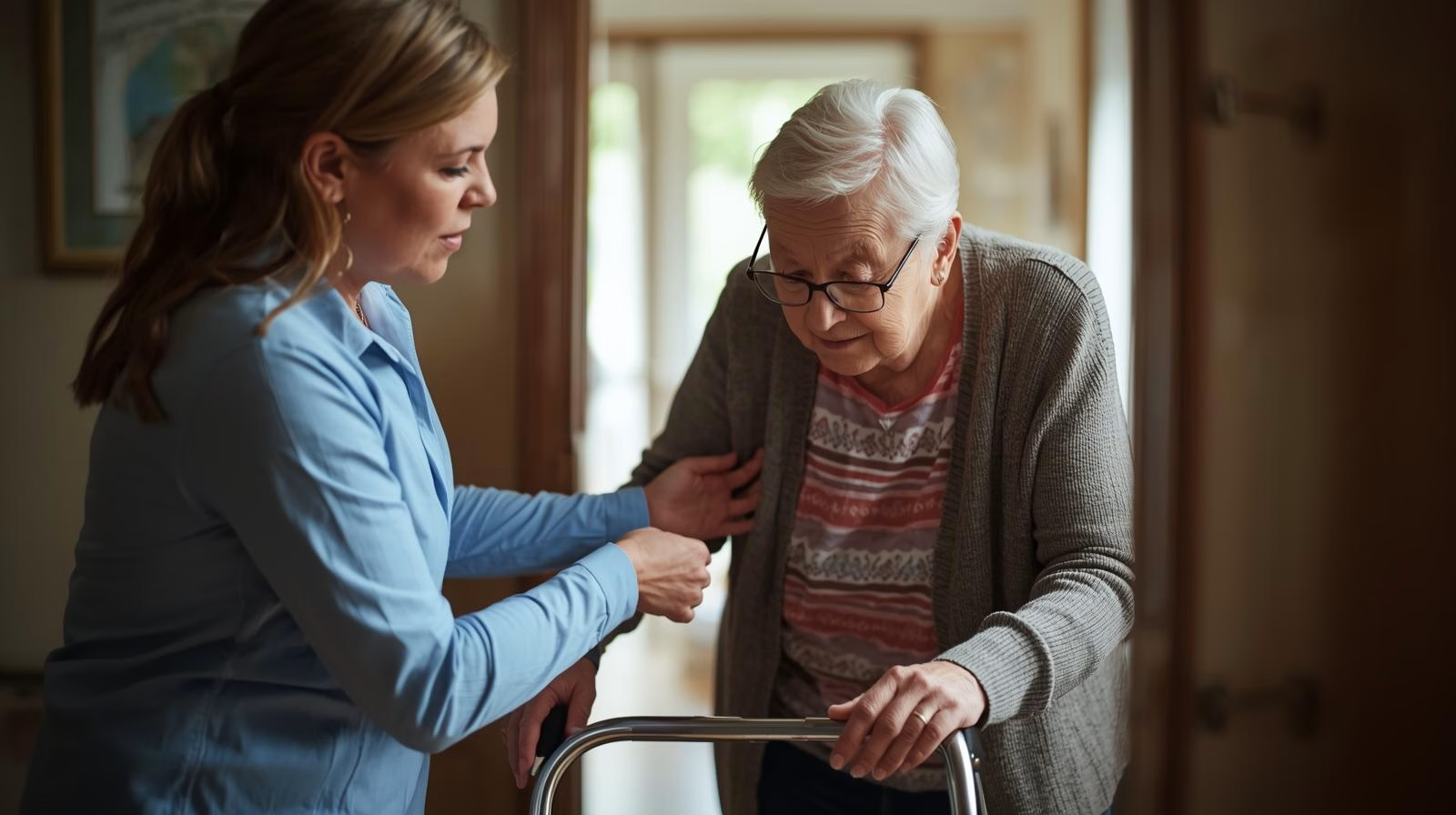
Caregivers help seniors move safely around the home, assisting with walking, transferring from bed to chair, or using mobility aids.
2. Exercise and Rehabilitation
Physical therapy and guided exercises improve strength, balance, and flexibility, reducing the risk of falls.
3. Home Modifications
Installing ramps, grab bars, stair lifts, and non-slip flooring makes homes safer and more accessible.
4. Transportation Assistance
Caregivers help seniors attend medical appointments, social gatherings, or even simple outings like grocery shopping.
5. Companionship During Activities
Mobility support isn’t just physical—it’s also about encouragement. Caregivers accompany seniors on walks, outings, or light exercise, making movement enjoyable.
The Human Connection
Elderly assistance for mobility issues is not just about physical tasks—it’s about human connection. A caregiver who patiently supports a senior during a walk, listens to their concerns, or simply offers a reassuring presence provides something invaluable: dignity and trust.
Imagine an elderly woman who once loved strolling through her garden but now struggles with balance. A caregiver who walks beside her, steadying her steps, isn’t just preventing a fall—they’re preserving her joy and independence.
Benefits for Seniors and Families
For Seniors:
- Safety: Reduced risk of falls or accidents.
- Health: Improved strength and mobility through guided exercises.
- Confidence: Greater independence in daily activities.
For Families:
- Relief: Less worry about mobility-related risks.
- Balance: Ability to manage work and personal life.
- Confidence: Assurance that loved ones receive professional support.
Choosing the Right Elderly Assistance for Mobility Issues
Selecting the right service requires careful thought:
- Credentials: Are caregivers trained in mobility support and fall prevention?
- Flexibility: Can services be tailored to specific mobility challenges?
- Reputation: What do other families say about the provider?
- Cost: Is pricing transparent and fair?
A thoughtful choice ensures seniors receive the best possible mobility support without unnecessary stress.
Challenges in Providing Assistance
Despite its benefits, elderly assistance for mobility issues faces challenges:
- Staff shortages: Many regions struggle to find enough trained caregivers and therapists.
- Affordability: Costs can be high, limiting access for some families.
- Cultural differences: Seniors from diverse backgrounds may need specialized care approaches.
- Technology gaps: While innovations like mobility devices are promising, not all seniors are comfortable using them.
The Role of Technology
Technology is reshaping elderly assistance for mobility issues:
- Mobility aids: Walkers, wheelchairs, and scooters enhance independence.
- Smart homes: Automated lighting, fall detection, and voice assistants improve safety.
- Wearable devices: Track movement and alert caregivers to falls or inactivity.
- Telehealth: Virtual consultations provide guidance on mobility exercises and rehabilitation.
Technology complements human caregivers, making mobility support more efficient and responsive.
Emotional and Social Dimensions
Mobility challenges often lead to isolation. Seniors may avoid social activities due to fear of falling or embarrassment. Services that prioritize companionship—through outings, group activities, or community programs—help combat loneliness.
For example, a caregiver who accompanies a senior to a local park not only provides physical support but also emotional encouragement, making the outing enjoyable and meaningful.
Global Perspectives
Different cultures approach elderly mobility care differently:
- Western countries: Often rely on professional home health and rehabilitation services.
- Asian cultures: Traditionally emphasize family-based care, though professional services are growing.
- Nordic nations: Focus on government-supported programs that ensure universal access.
Understanding these perspectives highlights the importance of tailoring elderly assistance for mobility issues to cultural expectations.
Looking Ahead: The Future of Elderly Assistance for Mobility Issues
The future promises exciting developments:
- Integrated care models: Combining medical, social, and mobility support.
- Community-driven initiatives: Local volunteers working alongside professionals.
- AI and robotics: Tools that assist with walking, monitoring, and companionship.
- Policy reforms: Governments recognizing the importance of accessible mobility care.
Care That Moves Beyond Barriers
Elderly assistance for mobility issues is more than a service—it’s a commitment to compassion. It ensures that seniors live with dignity, confidence, and connection. Whether through personal mobility support, rehabilitation, or advanced technology, these services remind us that aging is not a decline but a stage of life rich with wisdom and humanity.
So the next time you see a caregiver helping an older neighbor walk safely or patiently guiding them through exercises, remember: elderly assistance for mobility issues is not just about movement. It’s about love, respect, and ensuring that every senior feels valued.
If you’re exploring options for elderly assistance for mobility issues, don’t wait until challenges become overwhelming. Reach out to trusted providers in your community, ask questions, and find the right fit for your loved one’s mobility and emotional needs. Compassionate care begins with a single step—take that step today to ensure your senior family members live with dignity, comfort, and joy.