

Walking into a kitchen filled with friendly faces—caregivers smiling warmly, seniors chatting as they stir pots, and family members offering gentle encouragement—you immediately feel the comfort of togetherness. For seniors living with dementia or age-related challenges, meal preparation is more than just cooking; it’s about nourishment, dignity, and connection. That’s why elderly assistance for meal preparation is such a vital part of caregiving. It ensures seniors receive healthy meals while also fostering emotional well-being and independence.
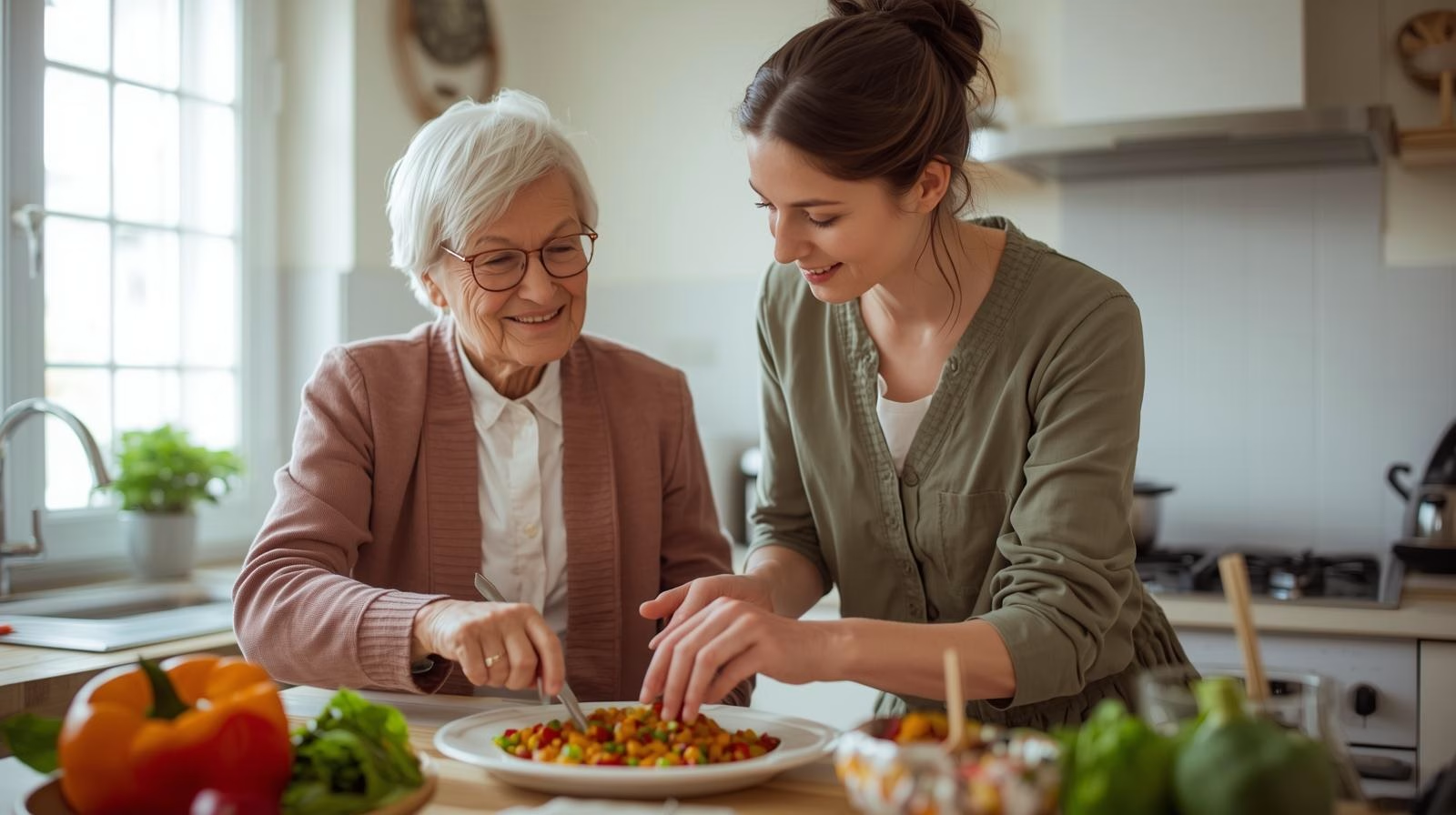
Elderly Assistance for Meal Preparation
Why Meal Preparation Matters for Seniors
Food is central to health, but for seniors, especially those with dementia or mobility issues, preparing meals can become overwhelming. Assistance in this area provides more than nutrition—it offers peace of mind and a sense of routine.
Key benefits of meal preparation support:
- Nutrition: Ensures balanced meals tailored to dietary needs.
- Safety: Prevents accidents with sharp tools or hot stoves.
- Routine: Establishes consistency, reducing anxiety and confusion.
- Social connection: Shared cooking experiences strengthen bonds.
Without assistance, seniors may skip meals, eat unhealthy options, or struggle with unsafe cooking practices. With support, they enjoy meals that nourish both body and spirit.
Challenges Seniors Face in Meal Preparation
Aging and dementia introduce unique obstacles in the kitchen:
- Memory loss: Forgetting recipes, ingredients, or steps.
- Physical limitations: Difficulty chopping, lifting, or standing for long periods.
- Safety risks: Leaving stoves on or mishandling utensils.
- Dietary restrictions: Managing conditions like diabetes or hypertension requires careful planning.
These challenges highlight the importance of structured elderly assistance for meal preparation.
The Role of Caregivers in Meal Support
Caregivers are central to meal preparation assistance. Their role goes beyond cooking—they create an environment of comfort and safety.
Caregiver responsibilities:
- Planning menus: Tailoring meals to health needs and preferences.
- Shopping for groceries: Ensuring fresh, nutritious ingredients.
- Cooking safely: Managing appliances and utensils with care.
- Encouraging participation: Involving seniors in simple tasks like stirring or setting the table.
By blending practical support with emotional care, caregivers transform mealtime into a joyful experience.
Creating Dementia-Friendly Meal Preparation Environments
For seniors with dementia, the kitchen can be confusing. Adjustments make it safer and more welcoming:
- Simplify tools: Use easy-grip utensils and lightweight cookware.
- Label items: Clear labels on cupboards and containers reduce confusion.
- Organize spaces: Keep frequently used items accessible.
- Establish routines: Consistent meal times provide structure.
These changes ensure seniors feel confident and secure in the kitchen.
Emotional and Social Benefits of Shared Meals
Meal preparation is not just about food—it’s about connection. Seniors thrive when meals are shared:
- Family dinners: Encourage conversation and bonding.
- Community programs: Group cooking sessions foster friendships.
- Cultural traditions: Preparing familiar dishes sparks comforting memories.
- Celebrations: Special meals for birthdays or holidays bring joy.
The emotional impact of shared meals is profound, reducing loneliness and reinforcing identity.
Technology and Innovation in Meal Assistance
Modern tools are transforming elderly assistance for meal preparation:
- Meal delivery services: Provide ready-to-eat, nutritious options.
- Smart appliances: Timers and safety features reduce risks.
- Recipe apps: Simplified instructions tailored for seniors.
- Health monitoring devices: Track dietary intake and hydration.
Technology complements human care, offering convenience and safety.
Family and Community Involvement
Families and communities play a vital role in meal preparation support:
- Family participation: Cooking together strengthens bonds.
- Community kitchens: Local centers often host senior-friendly cooking programs.
- Volunteer networks: Neighbors or organizations can assist with grocery shopping or meal delivery.
- Support groups: Families share tips and resources for safe meal preparation.
When communities unite, seniors benefit from a stronger support system.
Real-Life Stories of Meal Preparation Assistance
Consider Rosa, a grandmother who loved baking bread. As dementia progressed, she struggled with recipes. Her caregivers simplified the process, letting her knead dough while they handled measurements. Rosa’s joy returned, and the smell of fresh bread filled her home once again.
Or take Carlos, who lived alone and often skipped meals. A local volunteer program began delivering balanced lunches and dinners. With friendly faces greeting him daily, Carlos regained strength and felt less isolated.
These stories show how elderly assistance for meal preparation transforms lives through compassion and creativity.
Overcoming Barriers
Despite progress, barriers remain:
- Cost: Specialized meal services can be expensive.
- Access: Rural areas may lack programs or delivery options.
- Awareness: Families may not know about available resources.
- Resistance: Seniors may resist help, fearing loss of independence.
Solutions require advocacy, funding, and education to ensure equitable access.
Building a Compassionate Future
The future of meal preparation assistance lies in collaboration:
- Policy support: Governments can fund senior nutrition programs.
- Community training: Educating volunteers and caregivers about safe meal practices.
- Expanded services: More accessible meal delivery and cooking programs.
- Public awareness: Campaigns to highlight the importance of senior nutrition.
Together, these efforts create a world where seniors are nourished with dignity and care.
Elderly assistance for meal preparation is not just about food—it’s about dignity, independence, and connection. With the right support, seniors can enjoy nutritious meals, participate in cooking, and share joyful moments with loved ones. Caregivers, families, and communities all play a role in making mealtime safe and meaningful.
👉 If you have a loved one who struggles with meal preparation, take the first step today. Explore local programs, connect with caregiver networks, or consider professional services designed for senior nutrition. Your involvement can ensure that every meal is safe, nourishing, and filled with friendly faces.
Would you like me to also prepare an SEO title and meta description for this blog post, so it’s fully optimized for publishing?