

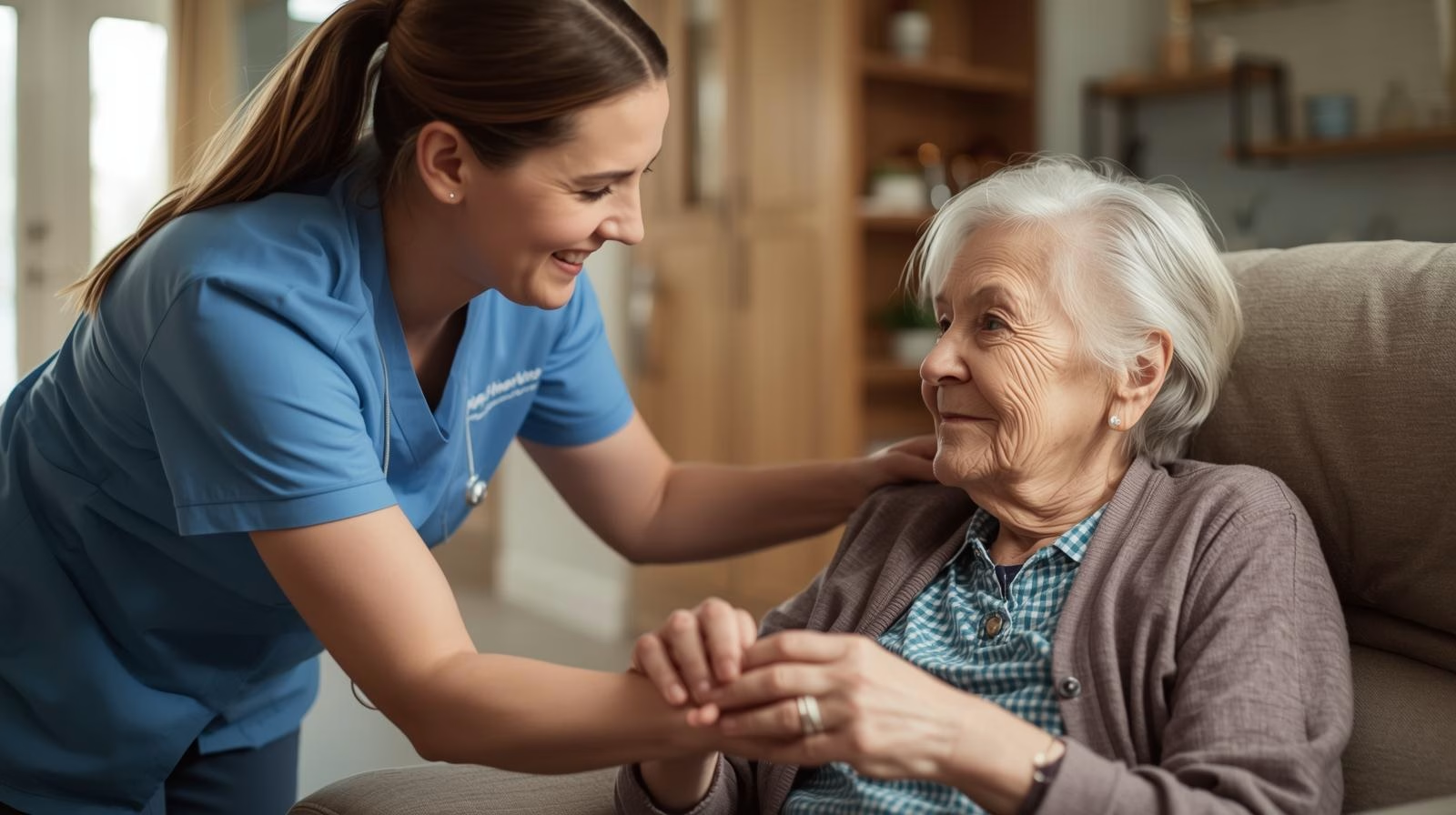
Picture this: friendly faces, warm smiles, and gentle hands offering comfort and support. That’s the heart of elderly assistance for medical needs—services that go beyond prescriptions and doctor visits, focusing on dignity, independence, and emotional well-being. In today’s fast-paced world, where families balance careers, children, and countless responsibilities, these services ensure seniors receive the medical care they need while continuing to live fulfilling lives.
Why Elderly Assistance for Medical Needs Matters
Aging often brings health challenges such as chronic conditions, mobility issues, or recovery from surgery. Seniors may require consistent medical monitoring, but many prefer to remain at home rather than move into facilities. Elderly assistance for medical needs bridges this gap, offering personalized care that combines professional medical support with compassion.
- Independence preserved: Seniors can remain in familiar surroundings while receiving medical attention.
- Peace of mind for families: Loved ones know trained caregivers are present to manage health needs.
- Holistic well-being: Assistance nurtures physical, emotional, and social health.
Types of Elderly Assistance for Medical Needs
Medical support at home can take many forms, depending on the individual’s condition and requirements:
1. Skilled Nursing Care
Registered nurses provide wound care, injections, IV therapy, and chronic disease management directly at home.
2. Medication Management
Caregivers ensure prescriptions are taken correctly and on time, reducing risks of missed doses or overdoses.
3. Rehabilitation Services
Physical therapy, occupational therapy, and speech therapy help seniors recover from surgeries, strokes, or injuries.
4. Health Monitoring
Regular checks of blood pressure, glucose levels, and other vital signs keep seniors safe and allow early detection of issues.
5. Palliative and Hospice Care
For seniors with serious illnesses, specialized care focuses on comfort, dignity, and emotional support.
The Human Connection
Elderly assistance for medical needs is not just about clinical tasks—it’s about human connection. A caregiver who patiently explains a treatment plan, listens to concerns, or simply offers a reassuring presence provides something invaluable: dignity and trust.
Imagine an elderly man recovering from hip surgery. Beyond physical therapy, he needs encouragement to regain confidence in walking. A caregiver who cheers him on during each step is not just supporting recovery—they’re restoring hope.
Benefits for Seniors and Families
For Seniors:
- Safety: Reduced risk of complications through professional monitoring.
- Health: Better adherence to treatment plans.
- Comfort: Care delivered in familiar surroundings.
For Families:
- Relief: Less worry about medical routines.
- Balance: Ability to manage work and personal life.
- Confidence: Assurance that loved ones receive professional care.
Choosing the Right Elderly Assistance for Medical Needs
Selecting the right service requires careful thought:
- Credentials: Are caregivers licensed and trained in medical care?
- Flexibility: Can services be tailored to specific health conditions?
- Reputation: What do other families say about the provider?
- Cost: Is pricing transparent and fair?
A thoughtful choice ensures seniors receive the best possible medical care without unnecessary stress.
Challenges in Providing Assistance
Despite its benefits, elderly assistance for medical needs faces challenges:
- Staff shortages: Many regions struggle to find enough trained nurses and therapists.
- Affordability: Costs can be high, limiting access for some families.
- Cultural differences: Seniors from diverse backgrounds may need specialized care approaches.
- Technology gaps: While innovations like telehealth are promising, not all seniors are comfortable with digital tools.
The Role of Technology
Technology is reshaping elderly assistance for medical needs:
- Telehealth: Virtual doctor visits reduce travel burdens.
- Wearable devices: Track vital signs and alert caregivers to changes.
- Smart homes: Automated systems enhance safety and accessibility.
- Family apps: Real-time updates keep relatives informed about medical routines.
Technology complements human caregivers, making care more efficient and responsive.
Emotional and Social Dimensions
Medical care is not just about treatments—it’s also about emotional well-being. Seniors often feel anxious about health conditions, especially if family members live far away. Services that prioritize companionship—through visits, conversations, or community programs—help reduce stress and loneliness.
For example, a caregiver who sits with a senior during dialysis not only provides medical oversight but also emotional comfort.
Global Perspectives
Different cultures approach elderly medical care differently:
- Western countries: Often rely on professional home health services.
- Asian cultures: Traditionally emphasize family-based care, though professional services are growing.
- Nordic nations: Focus on government-supported programs that ensure universal access.
Understanding these perspectives highlights the importance of tailoring elderly assistance for medical needs to cultural expectations.
Looking Ahead: The Future of Elderly Assistance for Medical Needs
The future promises exciting developments:
- Integrated care models: Combining medical, social, and emotional support.
- Community-driven initiatives: Local volunteers working alongside professionals.
- AI and robotics: Tools that assist with monitoring, reminders, and companionship.
- Policy reforms: Governments recognizing the importance of accessible elderly medical care.
Care That Heals Beyond Medicine
Elderly assistance for medical needs is more than a service—it’s a commitment to compassion. It ensures that seniors live with dignity, comfort, and connection. Whether through skilled nursing, rehabilitation, or advanced technology, these services remind us that aging is not a decline but a stage of life rich with wisdom and humanity.
So the next time you see a caregiver helping an older neighbor with medication or patiently guiding them through therapy, remember: elderly assistance for medical needs is not just about treatments. It’s about love, respect, and ensuring that every senior feels valued.
Call to Action
If you’re exploring options for elderly assistance for medical needs, don’t wait until health challenges become overwhelming. Reach out to trusted providers in your community, ask questions, and find the right fit for your loved one’s medical and emotional needs. Compassionate care begins with a single step—take that step today to ensure your senior family members live with dignity, comfort, and joy.