

Walking into a care home filled with friendly faces—caregivers offering warm smiles, seniors greeting one another with gentle laughter, and family members lending supportive hands—you immediately sense the atmosphere of kindness. For older adults, especially those living with dementia or mobility challenges, maintaining personal hygiene can be difficult. That’s why elderly assistance for personal hygiene is more than a practical service—it’s a vital act of compassion that preserves dignity, health, and emotional well-being.
Why Personal Hygiene Matters for Seniors
Personal hygiene is closely tied to health, comfort, and self-esteem. For seniors, it becomes increasingly important as age-related changes affect mobility, memory, and independence.
Key benefits of hygiene assistance:
- Physical health: Prevents infections, skin conditions, and dental issues.
- Emotional well-being: Boosts confidence and reduces feelings of embarrassment.
- Social connection: Seniors feel more comfortable engaging with others.
- Routine stability: Establishes consistency, reducing anxiety for those with dementia.
Without proper assistance, seniors may face health risks and emotional distress. With support, they enjoy comfort, safety, and dignity.
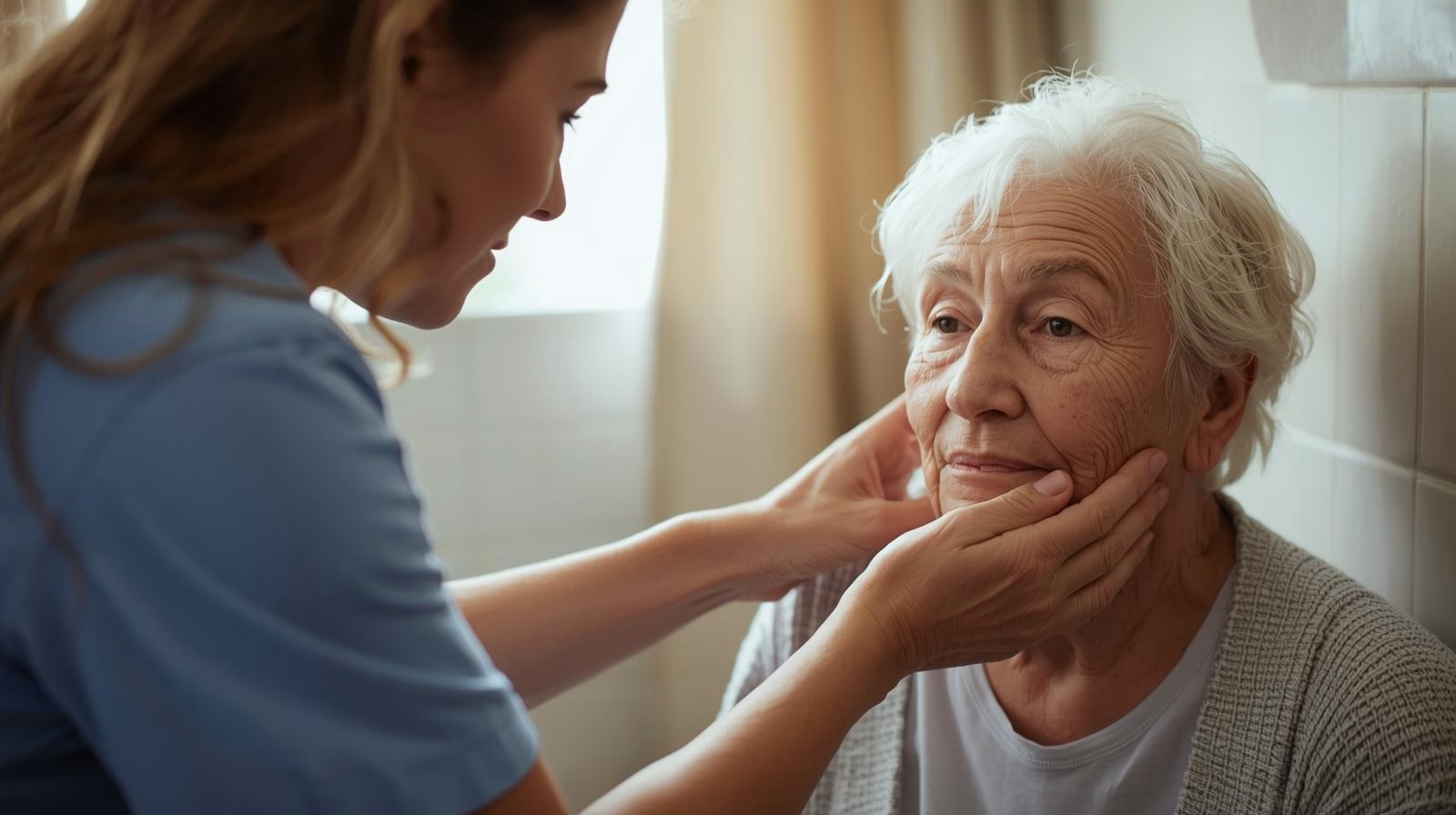
Challenges Seniors Face in Personal Hygiene
Aging introduces unique obstacles in maintaining hygiene:
- Mobility limitations: Difficulty standing, bending, or reaching.
- Memory loss: Forgetting routines like brushing teeth or bathing.
- Fear or anxiety: Water, slippery surfaces, or unfamiliar environments can cause stress.
- Skin sensitivity: Age-related changes require gentle care products.
These challenges highlight the importance of structured elderly assistance for personal hygiene.
The Role of Caregivers in Hygiene Support
Caregivers are central to hygiene assistance. Their role extends beyond physical tasks—they provide reassurance and respect.
Caregiver responsibilities:
- Bathing support: Ensuring safety while respecting privacy.
- Oral care: Helping with brushing and dental hygiene.
- Grooming: Assisting with hair care, shaving, and nail trimming.
- Clothing: Helping seniors dress comfortably and appropriately.
- Encouragement: Promoting independence by involving seniors in simple tasks.
By blending practical support with empathy, caregivers transform hygiene routines into moments of comfort and trust.
Creating Dementia-Friendly Hygiene Environments
For seniors with dementia, hygiene routines can be confusing. Adjustments make them safer and more manageable:
- Simplify steps: Break routines into small, clear actions.
- Use visual cues: Labels or pictures guide seniors through tasks.
- Ensure safety: Non-slip mats, grab bars, and warm lighting reduce risks.
- Establish routines: Consistent schedules provide structure and reassurance.
These changes help seniors feel secure and confident during hygiene activities.
Emotional and Social Benefits of Hygiene Assistance
Personal hygiene is not just physical—it’s emotional. Seniors thrive when they feel clean, comfortable, and respected.
- Confidence: Seniors are more likely to engage socially when they feel presentable.
- Routine comfort: Familiar hygiene practices reduce anxiety.
- Positive identity: Grooming and self-care reinforce individuality.
- Family connection: Loved ones feel reassured knowing seniors are cared for.
The emotional impact of hygiene assistance is profound, fostering dignity and joy.
Technology and Innovation in Hygiene Assistance
Modern tools are reshaping elderly assistance for personal hygiene:
- Adaptive equipment: Shower chairs, long-handled brushes, and electric toothbrushes.
- Smart reminders: Devices that alert seniors about hygiene routines.
- Gentle products: Specialized soaps and lotions for sensitive skin.
- Telehealth guidance: Professionals offering remote advice on hygiene care.
Technology complements human care, adding convenience and safety.
Family and Community Involvement
Families and communities play a vital role in hygiene support:
- Family participation: Helping with grooming or encouraging routines.
- Community programs: Local centers offering hygiene workshops or support.
- Volunteer networks: Neighbors assisting with shopping for hygiene products.
- Support groups: Families sharing tips and resources for safe hygiene practices.
When communities unite, seniors benefit from a stronger support system.
Real-Life Stories of Hygiene Assistance
Consider Lucia, who struggled with bathing due to mobility issues. Her caregivers introduced a shower chair and warm lighting, transforming the experience into one of comfort rather than fear. With friendly faces guiding her, Lucia regained confidence.
Or take Andres, who often forgot to brush his teeth. His family placed visual reminders in the bathroom and used an electric toothbrush for ease. With gentle encouragement, Andres maintained oral hygiene and felt more comfortable smiling again.
These stories show how elderly assistance for personal hygiene transforms lives through compassion and creativity.
Overcoming Barriers
Despite progress, barriers remain:
- Cost: Specialized equipment and services can be expensive.
- Access: Rural areas may lack hygiene support programs.
- Awareness: Families may not know about available resources.
- Resistance: Seniors may resist help, fearing loss of independence.
Solutions require advocacy, funding, and education to ensure equitable access.
Building a Compassionate Future
The future of hygiene assistance lies in collaboration:
- Policy support: Governments can fund senior hygiene programs.
- Community training: Educating caregivers and volunteers about safe hygiene practices.
- Expanded services: More accessible hygiene support in care homes and communities.
- Public awareness: Campaigns to highlight the importance of senior hygiene.
Together, these efforts create a world where seniors are cared for with dignity and respect.
Elderly assistance for personal hygiene is not just about cleanliness—it’s about dignity, independence, and connection. With the right support, seniors can feel comfortable, confident, and respected. Caregivers, families, and communities all play a role in making hygiene routines safe and meaningful.
👉 If you have a loved one who struggles with personal hygiene, take the first step today. Explore local programs, connect with caregiver networks, or consider professional services designed for senior care. Your involvement can ensure that every routine is safe, dignified, and filled with friendly faces.