

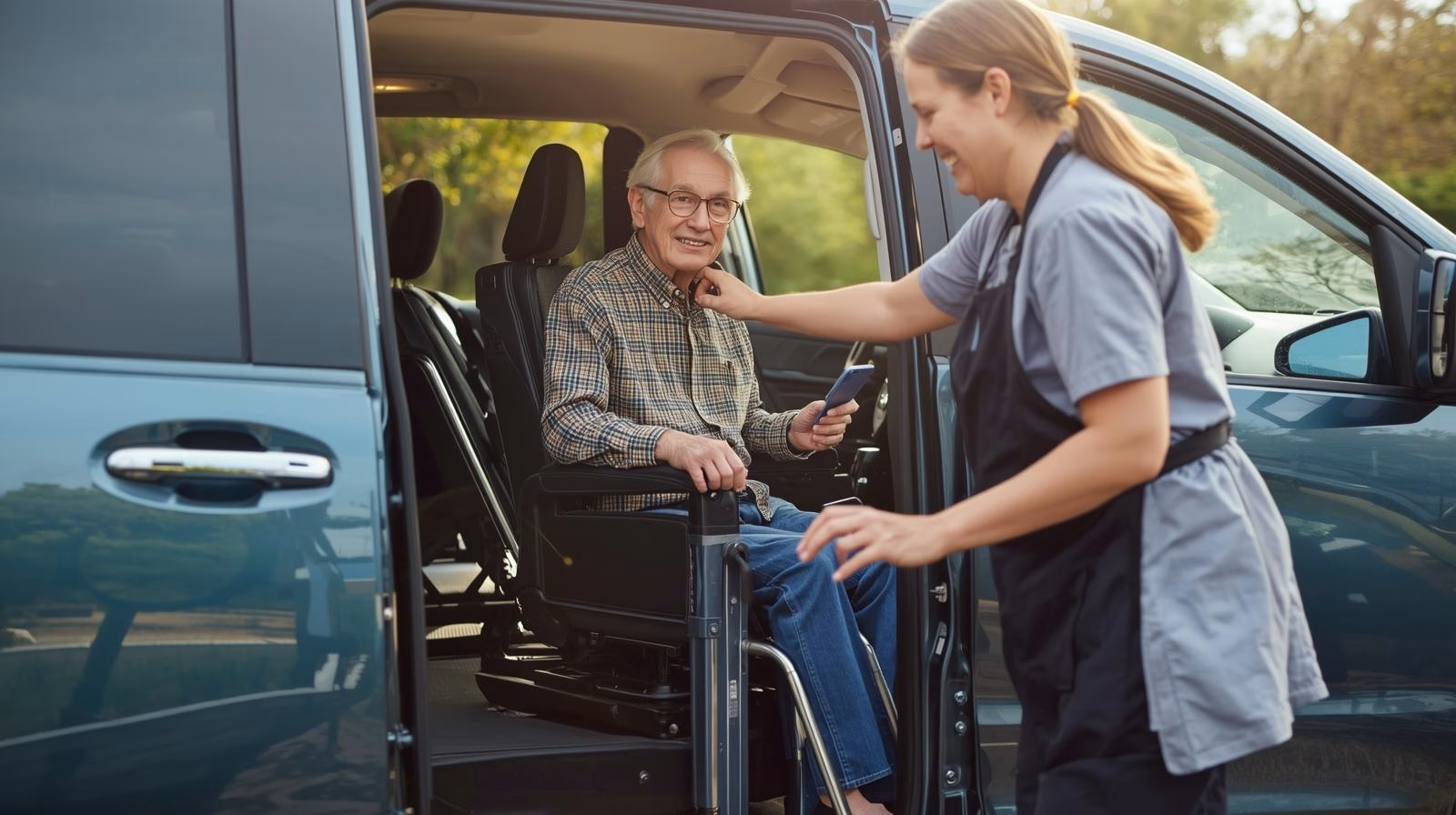
Walking into a community center filled with friendly faces—caregivers greeting seniors with warm smiles, volunteers offering gentle guidance, and families sharing laughter—you immediately sense the power of connection. For seniors living with dementia, these moments of kindness are more than comforting; they are essential. One of the most overlooked yet critical aspects of care is elderly assistance for transportation with dementia. Safe, reliable mobility ensures seniors remain engaged with the world, attend medical appointments, and maintain social ties—all while preserving dignity and independence.
Why Transportation Matters for Seniors with Dementia
Transportation is more than getting from point A to point B. For seniors with dementia, it represents freedom, access to healthcare, and opportunities for social interaction. Without proper assistance, mobility challenges can lead to isolation, missed medical care, and increased stress for families.
Key reasons transportation support is vital:
- Healthcare access: Regular check-ups and treatments are crucial for managing dementia.
- Social engagement: Attending community events or visiting loved ones reduces loneliness.
- Routine preservation: Familiar outings help maintain a sense of normalcy.
- Safety assurance: Assistance prevents confusion, wandering, or accidents during travel.
Challenges Seniors Face in Transportation
Dementia affects memory, judgment, and orientation, making transportation particularly challenging. Common issues include:
- Disorientation: Seniors may forget routes or destinations.
- Anxiety: Crowded or unfamiliar environments can trigger stress.
- Physical limitations: Mobility issues complicate boarding vehicles.
- Safety risks: Wandering or misinterpreting traffic signals can be dangerous.
These challenges highlight the importance of structured elderly assistance for transportation with dementia.
The Role of Caregivers in Transportation
Caregivers play a central role in ensuring safe and supportive travel. Their responsibilities extend beyond logistics:
- Planning trips: Scheduling appointments and mapping routes.
- Providing reassurance: Offering calm explanations during confusion.
- Monitoring safety: Assisting with seatbelts, boarding, and exits.
- Encouraging engagement: Turning trips into opportunities for joy, like stopping for a favorite snack.
Caregivers transform transportation from a stressful necessity into a meaningful experience.
Creating Dementia-Friendly Transportation Systems
Communities can make transportation more accessible by adopting dementia-friendly practices:
- Clear signage: Simple, bold signs reduce confusion.
- Trained drivers: Drivers educated about dementia can respond with patience.
- Accessible vehicles: Low steps, ramps, and comfortable seating ease mobility.
- Consistent routines: Regular schedules help seniors anticipate and prepare for trips.
These adjustments ensure seniors feel secure and respected during travel.
Emotional Support During Travel
Transportation is not just physical—it’s emotional. Seniors with dementia often feel anxious when leaving familiar spaces. Assistance should include:
- Companionship: A friendly face during the journey reduces stress.
- Calm communication: Gentle reminders about destinations provide reassurance.
- Familiar cues: Listening to favorite music or carrying familiar items can ease transitions.
By addressing emotional needs, caregivers make transportation a positive experience.
Technology and Innovation in Transportation Assistance
Modern tools are reshaping elderly assistance for transportation with dementia:
- GPS tracking: Ensures caregivers know a senior’s location at all times.
- Ride-sharing apps with caregiver features: Allow families to monitor trips remotely.
- Smart reminders: Devices that alert seniors about upcoming appointments.
- Accessible transport services: Specialized vans or community shuttles designed for seniors.
Technology complements human care, adding layers of safety and convenience.
Family and Community Involvement
Families and communities play a vital role in transportation support:
- Family coordination: Sharing responsibilities for rides reduces caregiver strain.
- Community programs: Local organizations often provide dementia-friendly transport services.
- Volunteer networks: Neighbors or church groups can assist with rides.
- Support groups: Families can exchange tips and resources for safe travel.
When communities come together, seniors benefit from a stronger safety net.
Real-Life Stories of Transportation Assistance
Consider Elena, a senior who loved attending her weekly church service. As dementia progressed, navigating the route became overwhelming. Her caregivers arranged a community shuttle with trained drivers. With friendly faces greeting her each Sunday, Elena regained her sense of belonging.
Or take Manuel, who needed regular hospital visits. His family coordinated with a local transport service specializing in dementia care. Each trip became less stressful, and Manuel’s health improved thanks to consistent medical access.
These stories show how elderly assistance for transportation with dementia transforms lives through compassion and planning.
Overcoming Barriers
Despite progress, barriers remain:
- Cost: Specialized transport services can be expensive.
- Availability: Rural areas may lack dementia-friendly options.
- Awareness: Families may not know about existing programs.
- Stigma: Seniors may resist assistance, fearing loss of independence.
Solutions require advocacy, funding, and education to ensure equitable access.
Building a Compassionate Future
The future of transportation assistance lies in collaboration:
- Policy changes: Governments can fund dementia-friendly transport initiatives.
- Community training: Educating drivers and volunteers about dementia.
- Expanded services: More accessible shuttles and ride programs.
- Public awareness: Campaigns to reduce stigma and highlight resources.
Together, these efforts create a world where seniors with dementia travel safely and confidently.
Elderly assistance for transportation with dementia is not just about mobility—it’s about dignity, independence, and connection. With the right support, seniors can continue to engage with their communities, access healthcare, and enjoy meaningful experiences. Caregivers, families, and communities all play a role in making transportation safe and compassionate.
👉 If you have a loved one with dementia, take the first step today. Explore local transportation programs, connect with caregiver networks, and consider professional services designed for dementia care. Your involvement can ensure that every journey is safe, supportive, and filled with friendly faces.