
Houston is a city known for its diversity, resilience, and strong sense of community. As the population grows, so does the number of older adults who call Houston home. With age comes unique challenges—health concerns, mobility issues, and the need for companionship. Elderly assistance in Houston is not just about medical care; it’s about creating a supportive environment where seniors can thrive, feel valued, and remain connected to the community.
This blog explores the landscape of elderly assistance in Houston, highlighting available services, community initiatives, and the human stories behind them.
The Growing Need for Elderly Assistance
Houston’s senior population is steadily increasing. According to census data, thousands of residents are aged 65 and older, and many live alone or with limited family support. This demographic shift underscores the importance of accessible elderly assistance programs.
The need goes beyond healthcare. Seniors often require:
- Transportation services to medical appointments or social activities.
- Home care support for daily tasks like cooking, cleaning, and bathing.
- Companionship programs to combat loneliness.
- Specialized medical care for chronic conditions.
Houston’s infrastructure and community organizations have stepped up to meet these needs, but challenges remain.
Types of Elderly Assistance Available in Houston
1. In-Home Care Services
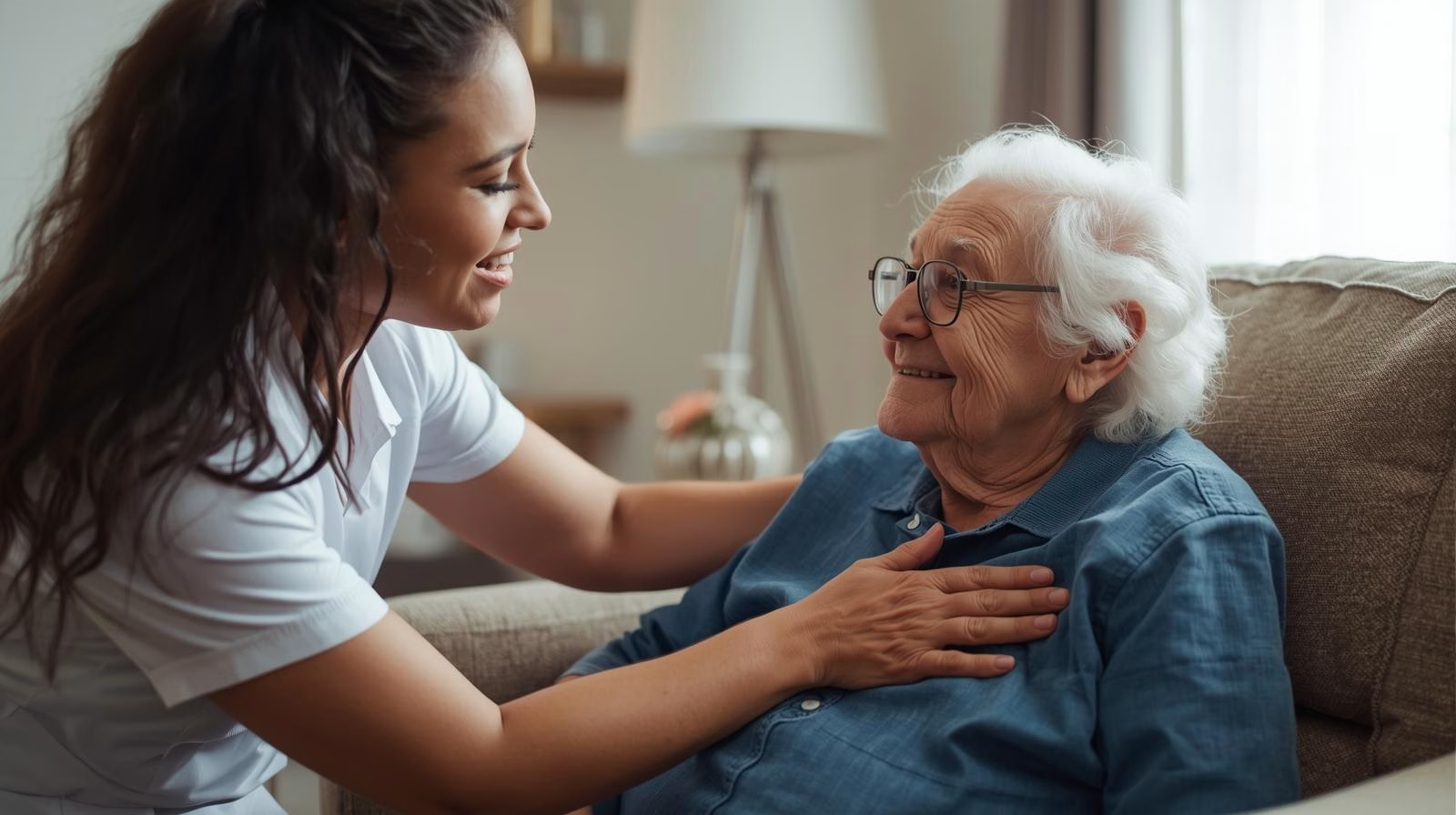
Many seniors prefer to age in place, staying in the comfort of their own homes. In-home care agencies in Houston provide trained caregivers who assist with:
- Personal hygiene and grooming.
- Medication reminders.
- Light housekeeping and meal preparation.
- Companionship and emotional support.
This option allows seniors to maintain independence while receiving the help they need.
2. Assisted Living Facilities
For those who require more structured support, assisted living communities offer a balance of independence and care. Houston has a wide range of facilities, from boutique residences to larger communities. These facilities provide
-
- 24/7 staff support.
- Social activities and wellness programs.
- Nutritious meals tailored to dietary needs.
- Medical monitoring and emergency response systems.
3. Adult Day Care Programs
Adult day care centers are a valuable resource for families who care for elderly loved ones at home but need daytime support. These centers provide:
- Supervised activities.
- Meals and snacks.
- Health monitoring.
- Opportunities for social interaction.
They give caregivers peace of mind while ensuring seniors remain engaged and active.
4. Transportation Services
Mobility is a major challenge for seniors. Houston offers specialized transportation programs, including wheelchair-accessible vans and volunteer driver initiatives. These services help seniors attend medical appointments, run errands, or participate in community events.
5. Community-Based Programs
Nonprofit organizations and local churches often run programs that provide meals, companionship, and wellness checks. Initiatives like Meals on Wheels Houston deliver nutritious food directly to seniors’ homes, while volunteer groups offer friendly visits to reduce isolation.
Challenges Faced by Seniors in Houston
Despite the availability of services, seniors in Houston face several challenges:
- Healthcare Access: While Houston is home to the Texas Medical Center, one of the largest medical complexes in the world, navigating appointments and insurance can be overwhelming.
- Financial Strain: Many seniors live on fixed incomes, making it difficult to afford private care or assisted living.
- Loneliness and Isolation: With family members often living far away, seniors may struggle with social isolation.
- Transportation Barriers: Public transportation is limited in certain areas, leaving seniors dependent on specialized services.
Addressing these challenges requires collaboration between government agencies, nonprofits, and the community.
The Human Side of Elderly Assistance
Behind every program and service are real people whose lives are transformed by elderly assistance. Consider the story of Maria, a 78-year-old Houston resident. Living alone after her husband’s passing, Maria struggled with mobility issues. Through a local in-home care agency, she now receives daily support with meals and medication. More importantly, she has built a bond with her caregiver, who has become a trusted companion.
Stories like Maria’s highlight the emotional and social dimensions of elderly assistance. It’s not just about physical care—it’s about dignity, respect, and human connection.
Innovations in Elderly Assistance
Houston is embracing innovation to improve elderly care:
- Telehealth Services: Seniors can consult doctors virtually, reducing the need for travel.
- Smart Home Technology: Devices like fall detection sensors and medication dispensers enhance safety.
- Community Apps: Platforms connect volunteers with seniors who need help with errands or companionship.
- Wellness Programs: Yoga, tai chi, and art therapy classes are offered at senior centers to promote holistic health.
These innovations make elderly assistance more accessible and personalized.
The Role of Family and Caregivers
Family members play a crucial role in elderly assistance. In Houston, many families balance caregiving with work and other responsibilities. Support groups and respite care programs provide relief, ensuring caregivers don’t experience burnout.
Caregiving is both rewarding and challenging. Families often find strength in community resources, counseling, and shared experiences.
Building a Compassionate Community
Elderly assistance is not just a service—it’s a reflection of community values. Houston’s diverse neighborhoods demonstrate compassion through volunteerism, advocacy, and cultural sensitivity. Programs tailored to different cultural backgrounds ensure seniors feel understood and respected.
Community involvement is key. Whether through volunteering, donating, or simply checking in on elderly neighbors, every act of kindness contributes to a stronger support system.
Practical Tips for Families Seeking Elderly Assistance in Houston
- Assess Needs: Identify whether your loved one requires medical care, companionship, or daily living support.
- Research Options: Explore in-home care agencies, assisted living facilities, and community programs.
- Visit Facilities: Tour assisted living communities to evaluate staff, amenities, and atmosphere.
- Check Credentials: Ensure caregivers and agencies are licensed and reputable.
- Plan Financially: Consider insurance coverage, government programs, and nonprofit assistance.
- Stay Involved: Regularly check in with caregivers and stay engaged in your loved one’s care.
Elderly assistance in Houston is a multifaceted effort that combines medical care, emotional support, and community involvement. As the city continues to grow, so does the responsibility to ensure seniors live with dignity and joy.
From in-home care to innovative technology, Houston offers a wide range of resources. Yet the most important element remains human connection—the compassion of caregivers, the dedication of families, and the kindness of neighbors.
By working together, Houston can create a city where elderly residents are not just cared for, but truly cherished.