
The gentle morning light filters through the kitchen window as you prepare a familiar breakfast. Across the table sits someone you love—a parent, a spouse, a lifelong friend—whose needs have gradually changed. This quiet, daily scene is at the heart of why more families are choosing to provide care at home, where familiar surroundings comfort and memories live in every corner.
But this beautiful choice often comes with questions: “Am I doing this right?” “How do I help with this new mobility challenge?” “What if there’s an emergency?” These concerns are natural, and they point to a fundamental truth: love motivates us to care, but knowledge empowers us to care well.
That’s where in-home caregiver training becomes your anchor—a bridge between your heartfelt commitment and the confident, skilled care your loved one deserves.
Why Training Matters: More Than Just Good Intentions
Caring for someone with changing needs is a deeply human experience, blending tenderness with practical challenges. While compassion is your greatest asset, specific skills transform that compassion into effective, safe care. Proper training:
-
Reduces stress for both caregiver and care recipient
-
Prevents accidents and promotes safety
-
Improves quality of life through proper techniques
-
Builds confidence in handling daily and unexpected situations
Think of it not as a clinical course, but as gathering tools for your caregiving journey. You’re not becoming a medical professional—you’re becoming the most capable, prepared version of yourself for someone who matters deeply.
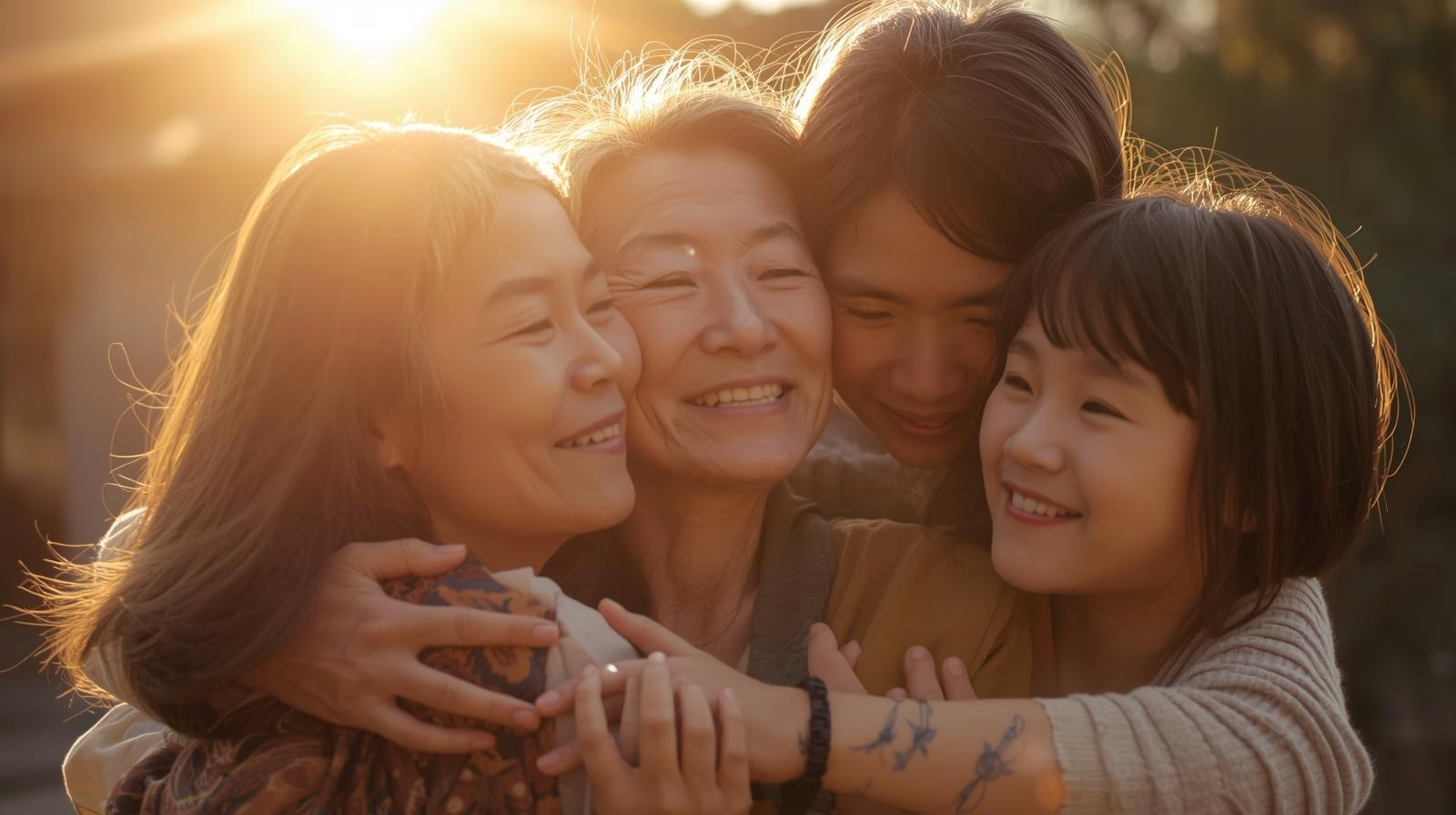
Empowering Families
What Quality Training Gives You: A Toolkit for Daily Life
1. The Art of Personal Care with Dignity
Helping with bathing, dressing, and grooming requires more than physical assistance—it’s about preserving dignity and independence. Quality training teaches you:
-
Techniques for safe transferring and positioning
-
Adaptive methods for those with limited mobility
-
Communication approaches that respect autonomy
-
Creating a routine that feels natural, not clinical
2. Navigating the Medical Landscape
You won’t become a nurse, but you’ll learn to be an effective partner in health:
-
Proper medication management and organization
-
Basic symptom monitoring and when to call for help
-
Understanding common conditions like dementia, arthritis, or diabetes
-
How to work seamlessly with healthcare professionals
3. The Home Safety Transformation
Falls are preventable, and comfort is achievable. Training helps you see your home through a new lens:
-
Simple modifications that make spaces safer
-
Day and night environment optimization
-
Emergency preparedness specific to your loved one’s needs
4. The Often Overlooked: Caring for Yourself
Perhaps the most crucial lesson: sustainable caregiving requires caring for the caregiver. You’ll learn to:
-
Recognize signs of burnout before it overwhelms
-
Set healthy boundaries that actually improve care
-
Find balance amid competing responsibilities
-
Access support networks you didn’t know existed
The Learning Journey: Flexible Paths to Confidence
The beautiful aspect of modern caregiver training is its adaptability to your life. No two care situations are identical, and neither are two learners.
Hands-On Workshops: Sometimes, learning by doing makes all the difference. Many communities offer local sessions where you can practice transfers with equipment, ask questions in real time, and connect with others on similar journeys. There’s comfort in shared experience—in realizing you’re not alone in your questions or concerns.
Online Learning Platforms: For those whose schedules are dictated by care needs, online courses offer remarkable flexibility. Learn about medication management during afternoon quiet time, or watch modules on communication techniques in the evening. The best programs blend video demonstrations, readable materials, and even virtual check-ins with trainers.
One-on-One Guidance: Some organizations offer personalized sessions right in your home. A trainer observes your unique environment and routines, offering tailored suggestions that fit your specific situation. This customized approach addresses exactly what you’re facing daily.
Resource Libraries: Sometimes you need just-in-time information—a quick refresher on meal preparation for someone with swallowing difficulties, or a reminder of gentle stretching exercises. A good training program provides ongoing resources you can return to whenever needs change.
Building Bridges: Training as Connection
One of the most beautiful outcomes of training is often unspoken: it becomes a bridge between you and the person you’re caring for. When you approach tasks with quiet confidence rather than anxious uncertainty, the entire emotional atmosphere changes. The focus shifts from “getting through” a difficult task to sharing a moment of connection, even during challenging routines.
Consider Maria, who was struggling to help her father with his morning routine after his stroke. “Every day started with tension,” she shared. “After learning proper techniques and communication approaches, our mornings transformed. Now we chat about the garden while I help him dress. The task didn’t change, but how we experience it completely did.”
Beyond Techniques: The Heart of Compassionate Care
The most profound training goes beyond physical techniques to nurture the emotional intelligence at the core of caregiving. You’ll explore:
-
Communication through change: How to listen when words fail, how to offer choices when independence feels limited, how to preserve personhood above all else.
-
The rhythm of good days and hard days: Developing resilience alongside routine.
-
Finding joy in small moments: Because caregiving isn’t just about tasks—it’s about shared laughter over a favorite meal, the comfort of a well-told story, the quiet peace of sitting together as afternoon light fades.
Your Next Step: Beginning with Confidence
If you’re considering training—or feeling overwhelmed in your current care role—take this gentle encouragement: seeking knowledge isn’t admitting inadequacy; it’s honoring your commitment. It’s saying, “This relationship matters so much that I want to offer my best.”
At Friendly Faces Senior Care, we understand this journey because we’ve walked alongside hundreds of families like yours. Our training approach reflects what we’ve learned: that confidence grows from practical skills delivered with compassion, that every family’s story is unique, and that support should empower rather than overwhelm.
We invite you to take the next gentle step. Join our free introductory workshop, “Confident Caregiving: Foundations for Families.” In just ninety minutes, you’ll gain practical skills you can use immediately and connect with understanding guides who recognize both the challenges and profound meaning of your role.
You can also explore our resource library, filled with short video guides and downloadable checklists designed for real life. Or schedule a personal consultation—no pressure, just conversation about your specific situation and what support might help most.
Because here’s what we believe: no one should navigate this journey alone. The love is yours. The commitment is yours. Let us help with the knowledge, the support, and the reassurance that you’re capable of wonderful care.