

At Friendly Faces Senior Care, we believe that independence is one of the most important gifts we can help seniors preserve. Dressing may seem like a simple daily task, but for older adults, it can be a powerful way to maintain dignity, confidence, and a sense of control. Encouraging independence in dressing is not only about clothing—it’s about fostering self‑esteem, reducing frustration, and supporting emotional well‑being.
This guide explores practical strategies caregivers can use to encourage independence in dressing, focusing on comfort, safety, and respect.
Why Dressing Independence Matters
For seniors, dressing independently offers more than convenience. It:
- Preserves dignity by allowing them to make personal choices.
- Boosts confidence through self‑expression and neat appearance.
- Supports physical health by keeping routines active.
- Encourages socialization as seniors feel more presentable.
- Provides routine that creates structure and stability.
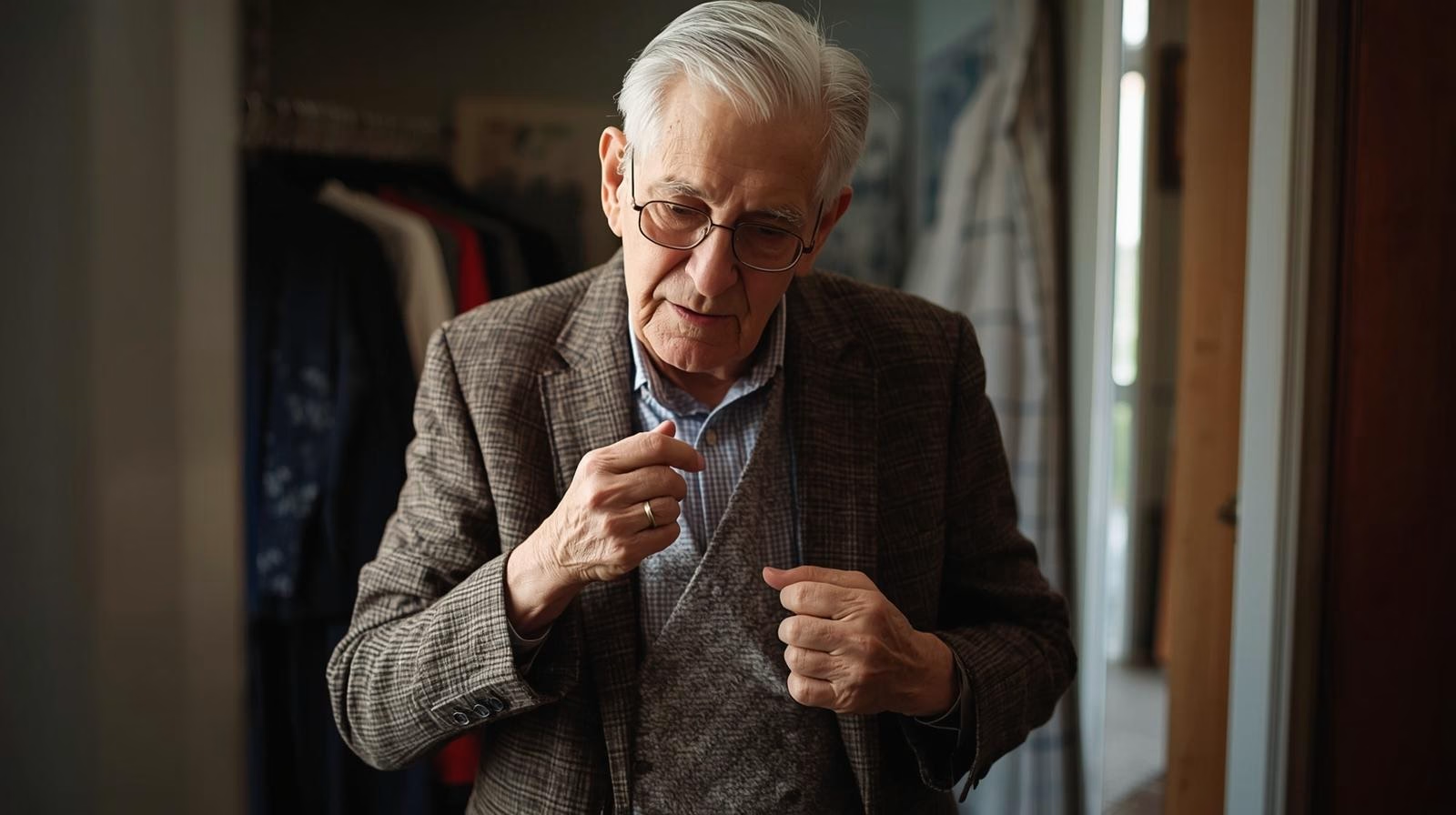
Common Challenges Seniors Face
Caregivers often encounter specific challenges when assisting with dressing:
- Mobility limitations: Arthritis, joint pain, or reduced flexibility.
- Cognitive changes: Seniors with dementia may struggle with sequencing or choices.
- Skin sensitivity: Aging skin requires soft fabrics and gentle handling.
- Emotional resistance: Some seniors may feel embarrassed or frustrated when needing help.
- Fatigue: Dressing can be tiring, requiring shorter, simpler routines.
Practical Tips for Encouraging Independence
Simplify Clothing Choices
- Lay out two or three options instead of a full wardrobe.
- Organize clothing by season and function.
- Use color coding or labels to reduce confusion.
Choose Adaptive Clothing
- Velcro closures, elastic waistbands, and magnetic snaps simplify dressing.
- Open‑back designs allow easier caregiver assistance.
- Slip‑on shoes reduce bending and strain.
Provide Comfortable Seating
- Encourage dressing while seated to reduce fatigue.
- Use sturdy chairs with armrests for support.
Break the Routine into Steps
- Guide seniors through one step at a time.
- Offer gentle reminders without rushing.
- Celebrate small successes, like buttoning a shirt or pulling on socks.
Seasonal Dressing Support
Caregivers can help seniors adapt to changing temperatures with thoughtful clothing choices.
- Spring: Light layers and breathable fabrics.
- Summer: Loose, lightweight clothing with sun protection.
- Autumn: Cozy knits and slip‑resistant shoes.
- Winter: Thermal layers and easy‑to‑fasten coats.
Tip: Layering allows seniors to adjust easily throughout the day.
Emotional Benefits of Dressing Independence
Encouraging independence in dressing isn’t just physical—it’s emotional.
- Boosts self‑esteem: Seniors feel more confident when they participate.
- Encourages self‑expression: Clothing choices reflect personality.
- Provides comfort: Familiar routines reduce stress.
- Supports dignity: Independence reinforces identity and self‑worth.
Caregiver’s Role in Supporting Independence
Caregivers can make dressing a positive experience by:
- Offering choices: Let seniors select colors or styles they enjoy.
- Respecting privacy: Provide space and discretion during dressing.
- Encouraging participation: Even small actions support independence.
- Balancing practicality with style: Seniors should feel safe but also stylish.
Dressing Techniques for Seniors with Cognitive Challenges
For seniors with dementia or memory loss, dressing routines require extra patience.
- Simplify choices: Limit options to reduce confusion.
- Use clear organization: Label drawers or closets.
- Maintain consistency: Keep routines predictable.
- Offer gentle guidance: Use calm language and step‑by‑step support.
Adaptive Tools for Dressing Independence
- Button hooks: Help seniors fasten buttons with less strain.
- Sock aids: Allow socks to be pulled on without bending.
- Reachers: Assist with picking up clothing from the floor.
- Elastic laces: Turn shoes into slip‑ons.
Tip: Adaptive tools empower seniors to participate in dressing with less frustration.
Daily Dressing Checklist for Caregivers
Here’s a quick checklist caregivers can use:
- Comfortable, breathable fabrics.
- Adaptive clothing with easy closures.
- Non‑slip shoes for safety.
- Seasonal layers for temperature changes.
- Organized wardrobe for simplicity.
- Respectful, supportive language during dressing.
Gentle Care, Confident Living
Encouraging independence in dressing is about more than clothing—it’s about dignity, confidence, and joy. By offering choices, simplifying routines, and using adaptive tools, caregivers can help seniors feel empowered and respected every day.
At Friendly Faces Senior Care, we believe that thoughtful details like dressing independence make life brighter and safer for seniors. Whether it’s choosing comfortable fabrics, supporting independence, or respecting personal style, the right approach helps seniors live fully and confidently.
Call to Action: If you’re seeking compassionate guidance and personalized care for your loved one, reach out to Friendly Faces Senior Care today. Let us help you ensure that every day is lived with comfort, dignity, and joy.