
Grooming for seniors is an essential part of daily living that supports personal hygiene, physical health, and emotional well-being. As mobility, vision, or strength changes with age, grooming for seniors often requires thoughtful routines, adaptive tools, and occasional assistance to remain safe and comfortable. Care providers such as Friendly Faces Senior Care emphasize respectful, consistent grooming practices that help older adults maintain confidence and dignity in everyday life.
Importance of Regular Grooming in Later Life
Personal grooming goes beyond appearance. Regular grooming helps prevent skin infections, reduces discomfort, supports circulation, and allows early detection of health concerns such as skin changes or sores.
For many seniors, maintaining grooming routines also supports emotional health by reinforcing independence, self-esteem, and a sense of normalcy.
Common Grooming Activities for Seniors
Daily and weekly grooming tasks may vary based on individual needs and abilities.
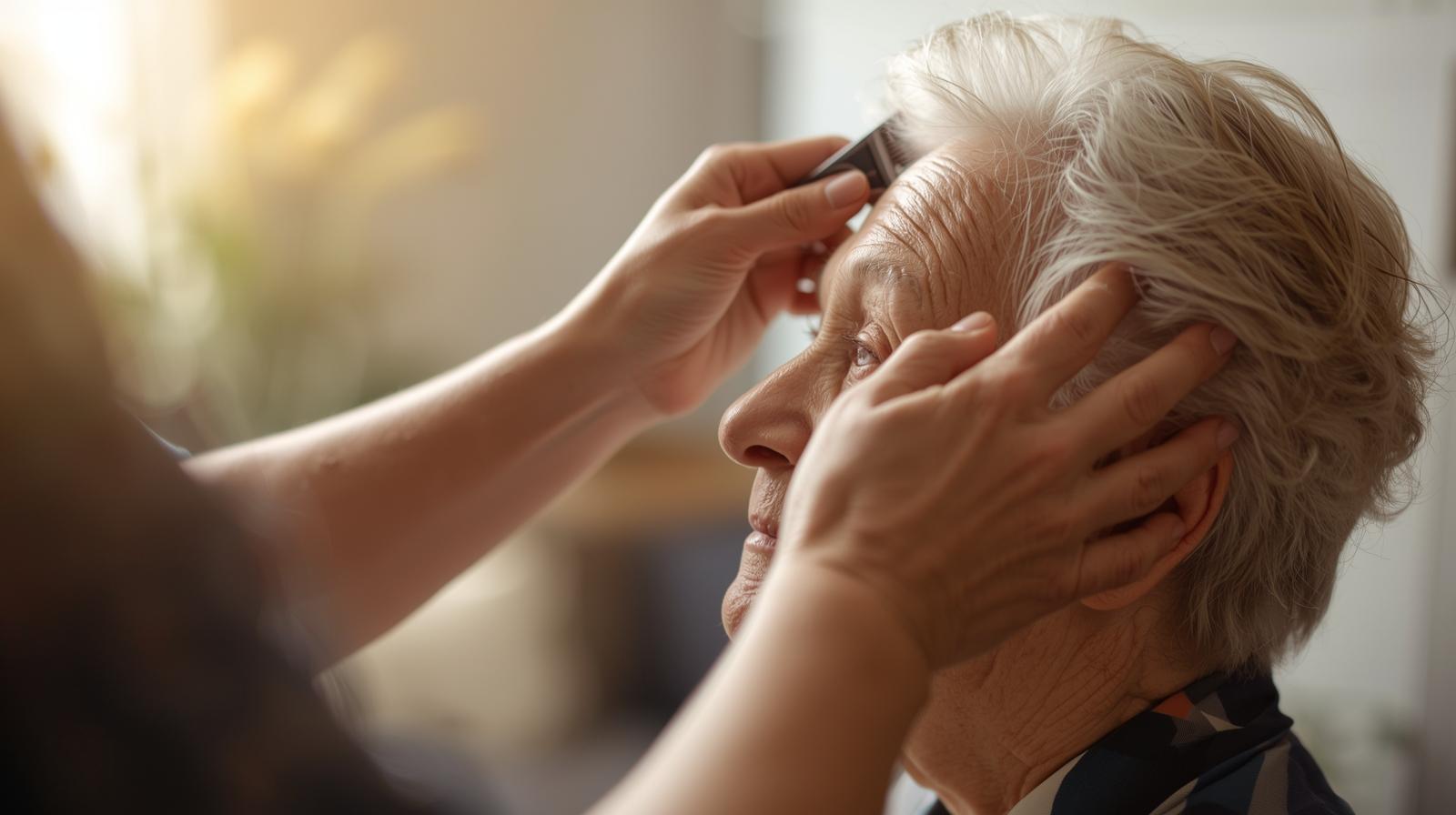
 Typical Grooming Tasks
-
Bathing or showering
-
Hair washing and brushing
-
Nail trimming and hand care
-
Oral hygiene
-
Shaving or facial hair maintenance
-
Skin moisturizing
Establishing consistent routines helps make these activities easier and less tiring.
Adapting Grooming Routines for Safety
Safety is a key consideration during grooming, especially for seniors with balance or mobility challenges.
Safety-Focused Tips
-
Use shower chairs or benches during bathing
-
Install grab bars and non-slip mats
-
Sit while grooming at the sink or mirror
-
Use electric razors instead of manual blades
-
Ensure adequate lighting
These adaptations reduce fall risk and improve confidence.
Grooming Tools That Support Independence
Adaptive grooming tools can help seniors maintain independence with minimal assistance.
Helpful Grooming Aids
-
Long-handled sponges and brushes
-
Electric toothbrushes and razors
-
Nail clippers with easy-grip handles
-
Magnifying mirrors for vision support
Using the right tools can make grooming less strenuous and more manageable.
Skin and Hair Care Considerations
Aging skin tends to become drier and more sensitive. Gentle products help protect skin health.
Care Tips
-
Use mild, fragrance-free soaps
-
Apply moisturizing lotions regularly
-
Choose gentle shampoos for sensitive scalps
-
Avoid overly hot water during bathing
Proper skin and hair care help reduce irritation and discomfort.
Role of Caregivers in Grooming Support
Caregivers often assist with grooming while encouraging seniors to participate as much as possible. Offering support without rushing helps preserve dignity and comfort.
Preparing supplies in advance and maintaining a calm, respectful environment can make grooming a positive experience.
Grooming Across Different Care Settings
Grooming routines may differ depending on the living environment.
 Common Settings
-
Private homes
-
Assisted living communities
-
Memory care environments
-
Rehabilitation and recovery settings
Each setting benefits from individualized grooming plans based on physical and cognitive needs.
Emotional Well-Being and Self-Confidence
Grooming is closely linked to how seniors feel about themselves. Clean hair, trimmed nails, and fresh clothing can improve mood, confidence, and social engagement.
Respecting personal preferences in grooming styles helps seniors feel valued and in control.
Community-Based Personal Care Support
Community-based senior care services often assist with daily grooming needs while prioritizing respect and independence. These services help seniors remain comfortable at home and reduce stress for families.
Informational Note on Friendly Faces Senior Care
Friendly Faces Senior Care provides compassionate personal care support that helps seniors maintain hygiene, comfort, and dignity. Their people-centered approach highlights how thoughtful grooming assistance contributes to health, confidence, and quality of life.
Common Questions
Is daily bathing necessary for seniors?
Not always. Bathing frequency depends on skin condition, activity level, and comfort.
Can seniors groom independently with the right tools?
Many seniors maintain independence using adaptive grooming aids.
Does grooming help identify health concerns?
Yes. Regular grooming allows early detection of skin or nail issues.
Should caregivers take over grooming tasks completely?
Whenever possible, seniors should be encouraged to participate to maintain independence.
Personal grooming plays an important role in senior health, comfort, and emotional well-being. With proper routines, safe environments, and supportive tools, grooming can remain a positive and dignified part of daily life.
Understanding and supporting grooming needs helps seniors stay confident, comfortable, and engaged while promoting long-term health and independence.