

At Friendly Faces Senior Care, we believe that caring for hair is more than just grooming—it’s about dignity, confidence, and overall well-being. As adults age, hair naturally changes in texture, thickness, and color. These changes can feel challenging, but with the right care, seniors can maintain healthy, manageable hair that reflects their personality and supports their comfort.
This guide explores practical hair care tips for aging adults, focusing on gentle routines, safe products, and easy styling techniques that promote both health and confidence.
Why Hair Care Matters for Seniors
Hair care is often overlooked in senior wellness, but it plays a vital role in daily comfort and self-esteem. Proper hair care can:
- Support scalp health by preventing dryness, irritation, or infection.
- Boost confidence through neat, manageable styles.
- Simplify routines, making grooming easier and less tiring.
- Encourage social interaction, as seniors feel more presentable and comfortable.
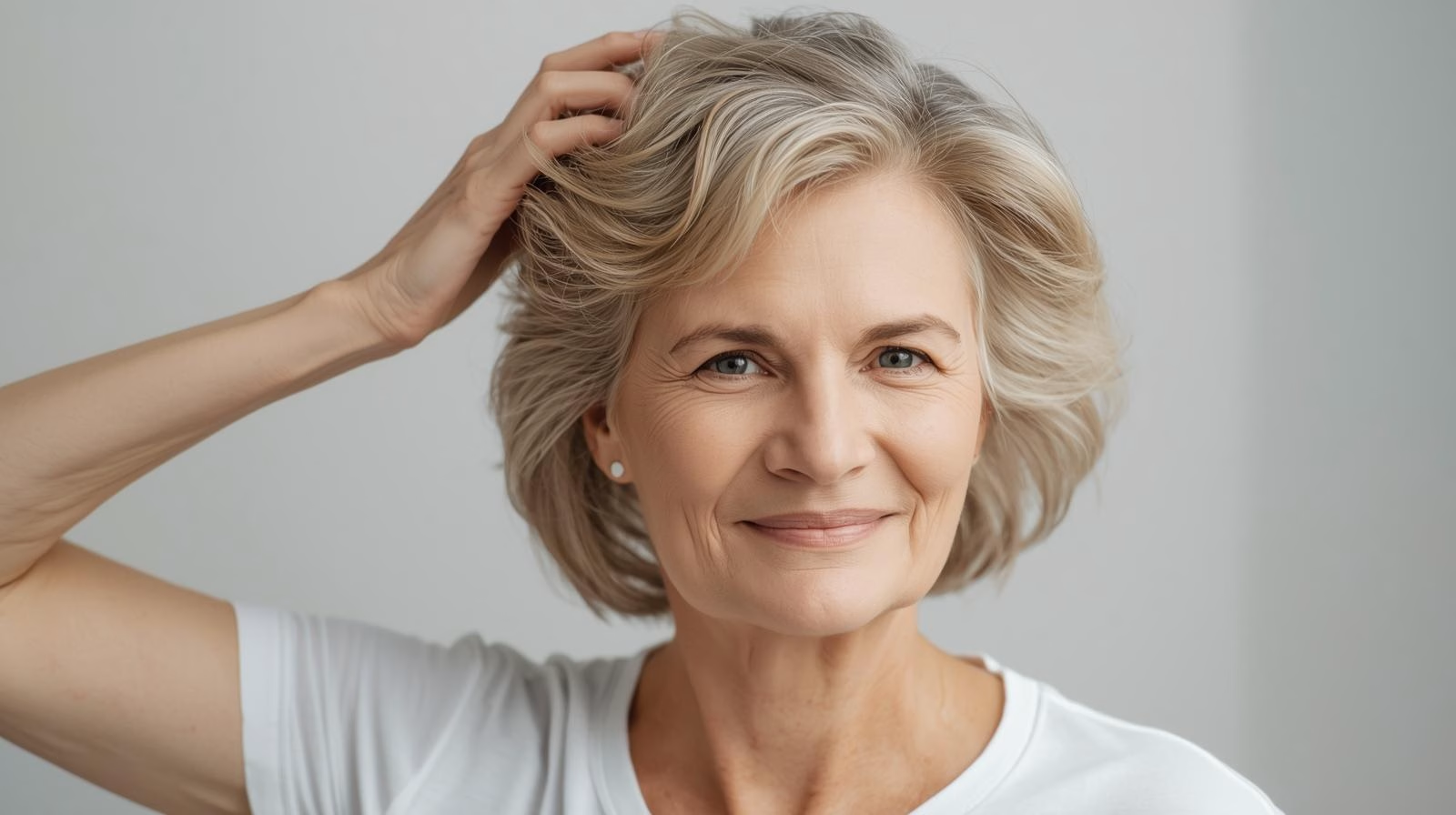
Common Hair Changes with Age
Understanding how hair changes over time helps caregivers and seniors choose the right care strategies.
- Thinning hair: Hair follicles shrink, leading to reduced volume.
- Dryness: Natural oils decrease, making hair more brittle.
- Texture changes: Hair may become coarser or finer.
- Graying: Pigment cells slow down, resulting in silver or white strands.
- Scalp sensitivity: Skin becomes thinner and more prone to irritation.
Gentle Washing Techniques
Washing hair properly is the foundation of good care.
- Frequency: Seniors may not need daily washing; 2–3 times a week is often enough.
- Mild shampoos: Use sulfate-free or moisturizing formulas to prevent dryness.
- Warm water: Avoid hot water, which strips natural oils.
- Massage gently: Stimulates circulation without irritating the scalp.
- Condition regularly: Lightweight conditioners help detangle and soften hair.
Tip: For seniors with limited mobility, handheld showerheads or no-rinse shampoos can simplify the process.
Moisturizing and Scalp Care
Healthy hair starts with a healthy scalp.
- Moisturizing oils: Natural oils like coconut or argan can reduce dryness.
- Leave-in conditioners: Provide hydration throughout the day.
- Gentle brushing: Soft-bristle brushes distribute oils evenly.
- Check for irritation: Seniors with sensitive skin may need hypoallergenic products.
Tip: Regular scalp massages can improve circulation and promote relaxation.
Styling for Comfort and Confidence
Hair styling should be simple, safe, and uplifting.
- Shorter cuts: Easier to manage and reduce tangling.
- Low-maintenance styles: Soft waves, simple bobs, or neatly tied ponytails.
- Avoid tight hairstyles: Prevents scalp strain and breakage.
- Use lightweight accessories: Soft headbands or clips add style without discomfort.
Tip: Encourage seniors to choose styles that reflect their personality—it’s a form of self-expression.
Hair Care for Seniors with Limited Mobility
For seniors who find grooming difficult, adaptive techniques can help.
- Dry shampoos: Useful between washes.
- No-rinse conditioners: Simplify hydration.
- Salon visits at home: Mobile stylists can provide trims and styling.
- Caregiver assistance: Gentle brushing or washing can be part of daily routines.
Nutrition and Hair Health
Diet plays a big role in hair strength and growth.
- Protein-rich foods: Eggs, fish, and beans support hair structure.
- Omega-3 fatty acids: Found in salmon and flaxseed, they nourish the scalp.
- Vitamins A, C, and E: Promote healthy follicles and prevent dryness.
- Hydration: Drinking enough water keeps hair and scalp moisturized.
Tip: Seniors should consult healthcare providers before adding supplements.
Hair Care for Special Conditions
Certain health conditions affect hair care routines.
- Arthritis: Adaptive brushes and wide-handled combs reduce strain.
- Diabetes: Gentle products prevent scalp irritation.
- Cancer treatments: Wigs, scarves, or soft hats can provide comfort and dignity.
- Skin conditions: Hypoallergenic shampoos reduce risk of flare-ups.
Emotional Benefits of Hair Care
Hair care isn’t just physical—it’s emotional.
- Boosts self-esteem: Seniors feel more confident when their hair looks neat.
- Encourages socialization: Feeling presentable makes seniors more likely to join activities.
- Provides routine: Grooming rituals create structure and comfort.
- Supports dignity: Well-kept hair reinforces a sense of identity.
Caregiver’s Role in Hair Care
Caregivers can make hair care easier and more enjoyable.
- Plan regular grooming sessions: Keep routines consistent.
- Encourage independence: Provide tools that seniors can use themselves.
- Offer choices: Let seniors pick styles or accessories.
- Monitor scalp health: Watch for dryness, irritation, or changes.
Hair Care Checklist for Seniors
Here’s a quick checklist caregivers can use:
- Mild shampoo and conditioner.
- Soft-bristle brush or wide-tooth comb.
- Moisturizing oils or leave-in conditioner.
- Comfortable, low-maintenance hairstyle.
- Seasonal accessories like hats or scarves.
Gentle Care, Confident Living
Hair care for aging adults is about more than grooming—it’s about health, dignity, and joy. With gentle washing, moisturizing, and simple styling, seniors can maintain hair that feels comfortable and looks good.
At Friendly Faces Senior Care, we believe that thoughtful details like hair care make life brighter and safer for seniors. Whether it’s a short, easy-to-manage cut or a moisturizing routine, the right approach helps seniors live fully and confidently.
Call to Action: If you’re seeking compassionate guidance and personalized care for your loved one, reach out to Friendly Faces Senior Care today. Let us help you ensure that every day is lived with comfort, dignity, and confidence.