

As we age, our nutritional needs change, but one thing remains constant: the body thrives on balance. For older adults, fiber plays a quiet yet powerful role in maintaining digestive comfort, heart health, and steady energy levels. While it may not get as much attention as protein or vitamins, fiber is an essential part of daily wellness.
In this guide, we’ll explore why fiber matters for older adults, the best high-fiber foods to include in everyday meals, and how simple choices can make a meaningful difference. At Friendly Faces, we often see how small dietary improvements can greatly enhance quality of life.
Why Fiber Is Especially Important as We Age
Fiber supports more than digestion. For older adults, it helps regulate several systems that naturally slow down over time.
Supports Digestive Comfort
Fiber helps keep digestion regular and reduces discomfort caused by constipation, which becomes more common with age.
Promotes Heart Health
Fiber-rich foods help manage cholesterol levels and support overall cardiovascular health.
Helps Maintain Healthy Blood Sugar
By slowing digestion, fiber prevents sharp spikes in blood sugar, which is especially helpful for older adults managing diabetes or prediabetes.
Encourages a Healthy Weight
Fiber helps people feel full longer, reducing unnecessary snacking and supporting balanced nutrition.
Understanding the Two Types of Fiber
Both types of fiber are important, and a healthy diet includes a mix of each.
Soluble Fiber
This type dissolves in water and forms a gel-like substance during digestion. It helps lower cholesterol and supports blood sugar control.
Common sources include:
-
Oats
-
Beans and lentils
-
Apples and citrus fruits
Insoluble Fiber
This type adds bulk to stool and helps food move smoothly through the digestive system.
Common sources include:
-
Whole grains
-
Vegetables
-
Nuts and seeds
High Fiber Foods That Are Easy to Enjoy
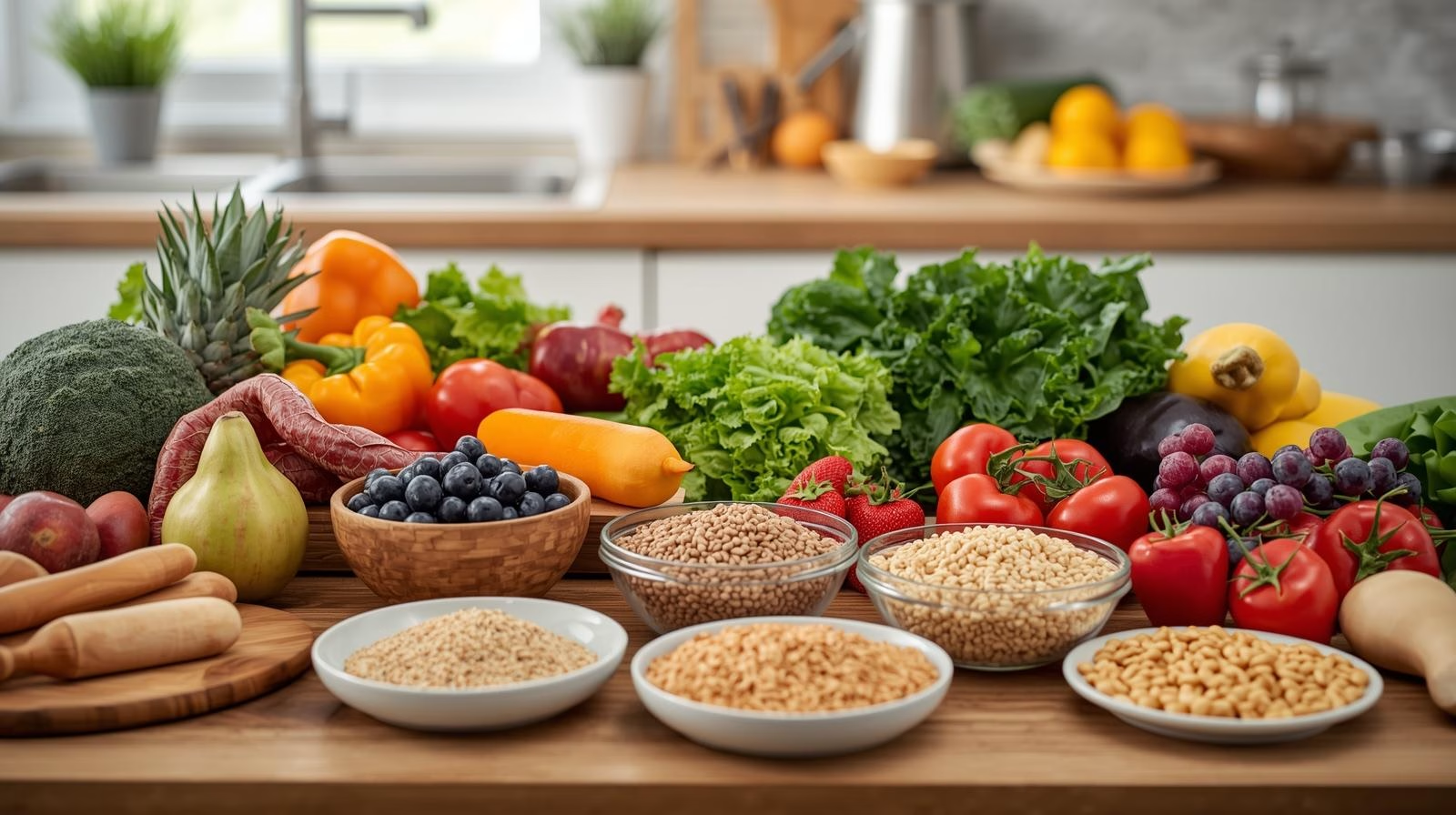
Fiber-rich foods don’t have to be complicated or hard to eat. Many are already familiar and can be easily added to meals.
Fruits
Fruits are naturally rich in fiber and easy to prepare.
Great options include:
-
Berries
-
Pears
-
Apples (with skin)
-
Oranges
Soft fruits or cooked options work well for those with chewing concerns.
Vegetables
Vegetables provide fiber along with essential vitamins and minerals.
Try including:
-
Broccoli
-
Carrots
-
Sweet potatoes
-
Spinach
Lightly steaming vegetables makes them easier to digest while preserving nutrients.
Whole Grains
Replacing refined grains with whole grains is a simple way to increase fiber intake.
Good choices include:
-
Oatmeal
-
Brown rice
-
Whole wheat bread
-
Quinoa
These options also provide lasting energy throughout the day.
Legumes
Beans and lentils are fiber powerhouses and can be added to soups, salads, or side dishes.
Popular choices include:
-
Chickpeas
-
Black beans
-
Lentils
-
Split peas
Nuts and Seeds
In small portions, nuts and seeds add fiber, healthy fats, and texture.
Examples include:
-
Almonds
-
Chia seeds
-
Flaxseeds
Ground seeds are a great alternative for easier chewing and digestion.
Tips for Adding More Fiber Safely
Increasing fiber should be done gradually, especially for older adults who are not used to high-fiber diets.
-
Add fiber-rich foods slowly to avoid bloating
-
Drink plenty of water to support digestion
-
Spread fiber intake across meals rather than all at once
-
Choose softer or cooked options when needed
Listening to the body and making gradual changes leads to better long-term results.
Fiber and Daily Routines
Fiber works best when paired with regular meals, hydration, and gentle physical activity. A morning bowl of oatmeal, a vegetable-rich lunch, and fruit as a snack can naturally support digestive health without feeling restrictive.
Caregivers often play an important role in meal planning, preparation, and encouragement—making healthy eating more consistent and enjoyable.
How Friendly Faces Supports Healthy Nutrition
At Friendly Faces, we understand that nutrition is deeply personal. Our caregivers help older adults maintain healthy eating habits by assisting with meal planning, preparation, and daily routines that support overall wellness.
Whether it’s preparing fiber-rich meals or encouraging balanced choices, compassionate support can turn nutrition into a positive and empowering part of daily life.
Nourishing the Body, One Meal at a Time
High fiber foods are not about strict rules or sudden changes. They’re about choosing foods that gently support the body, improve comfort, and enhance overall well-being.
With the right approach, fiber becomes a natural and enjoyable part of everyday meals—helping older adults feel their best, day after day.
Ready to Support Healthier Living?
If you’re looking for compassionate support that includes thoughtful nutrition and daily care, Friendly Faces is here to help. Our team is dedicated to improving comfort, confidence, and quality of life at home.
👉 Contact Friendly Faces today to learn how personalized care can support healthier eating and happier living for you or your loved one.