

Aging well is about more than medical appointments and medication lists. At the heart of a thriving later life is a balanced approach that honors physical health, emotional resilience, social connection, and purposeful living. friendly faces senior care understands this, offering programs that blend preventive care, rehabilitation, and everyday supports so older adults can remain independent, engaged, and fulfilled. This post explores what a holistic senior wellness program looks like, why it matters, and how families can choose services that truly support whole-person health.
Why a Holistic Approach Matters
Traditional models of elder care often focus narrowly on disease management. A holistic approach expands that focus to include nutrition, mobility, mental health, and social well-being. Research and practical experience show that when these elements are addressed together, outcomes improve: fewer hospital readmissions, better chronic disease control, reduced loneliness, and higher quality of life.
- Prevention over crisis care: Emphasizing balance, exercise, and routine screenings helps prevent small problems from becoming emergencies.
- Integration of services: Coordinated care—where nurses, therapists, nutritionists, and social workers communicate—reduces fragmentation and improves adherence to care plans.
- Person-centered goals: Wellness plans that reflect an individual’s values and routines are more likely to be followed and to produce meaningful results.
Core Components of Holistic Senior Wellness
A comprehensive program combines clinical expertise with lifestyle supports. Below are the essential components that make a wellness program truly holistic.
Physical Health and Mobility
- Personalized exercise plans designed by physical therapists to improve strength, balance, and flexibility.
- Fall prevention strategies including home safety assessments, assistive devices, and gait training.
- Chronic disease management with medication reviews, monitoring, and coordination with primary care.
Nutrition and Meal Support
- Individualized meal planning that accounts for dietary restrictions, cultural preferences, and nutrient needs.
- Nutrition education to help manage conditions like diabetes, heart disease, and osteoporosis.
- Meal delivery or communal dining options to ensure consistent access to healthy food and to encourage social interaction.
Mental Health and Cognitive Wellness
- Cognitive stimulation programs such as memory exercises, brain games, and structured activities.
- Counseling and therapy for depression, anxiety, grief, and adjustment to life changes.
- Mindfulness and stress reduction practices that support emotional regulation and sleep quality.
Social Engagement and Purpose
- Group activities and clubs that foster friendships and reduce isolation.
- Volunteer and intergenerational programs that connect seniors with community roles and younger generations.
- Creative outlets like art, music, and storytelling that support identity and joy.
Integrative and Complementary Therapies
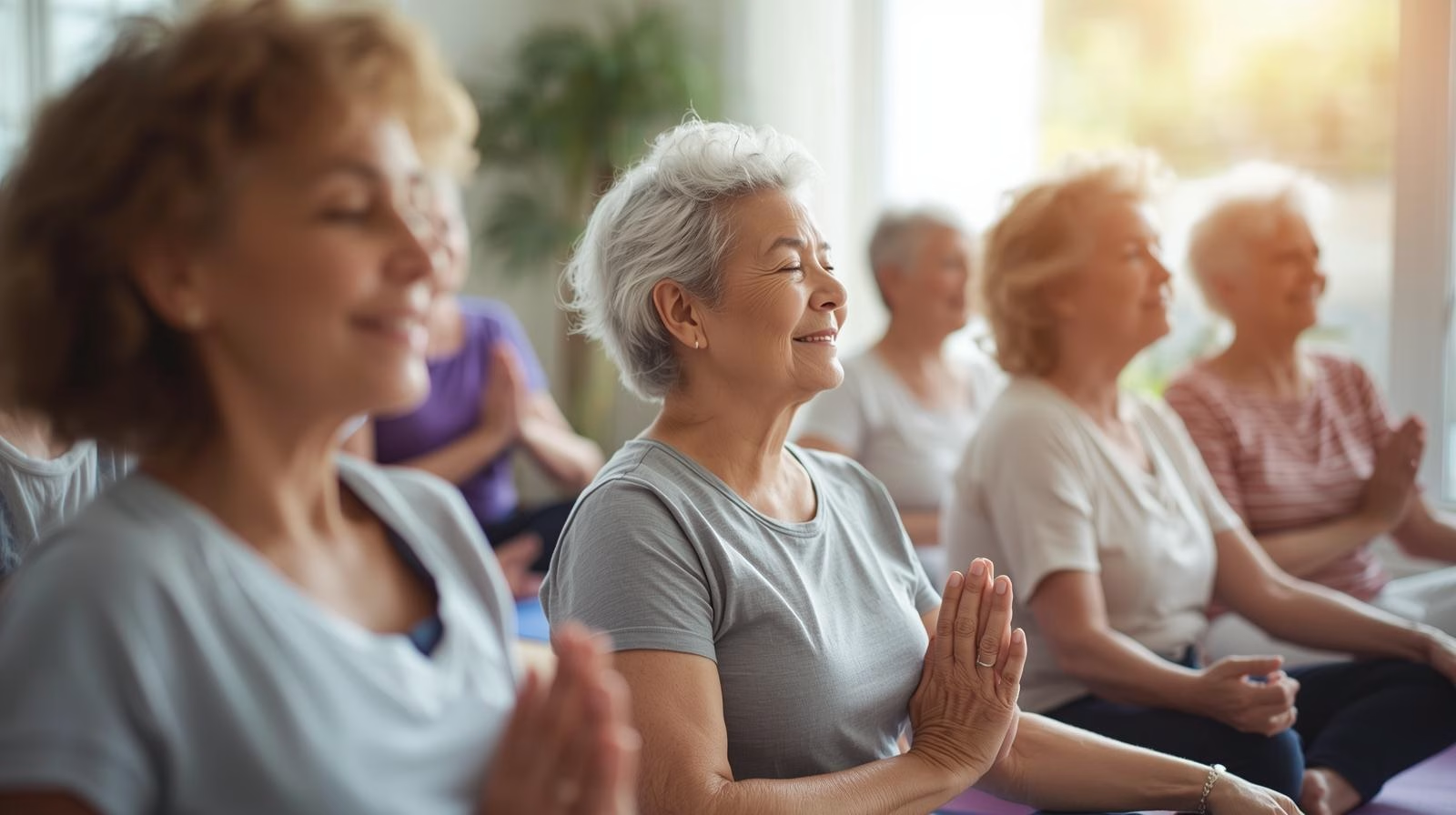
- Massage, acupuncture, and gentle yoga to manage pain and improve circulation.
- Occupational therapy to adapt daily routines and recommend home modifications.
- Holistic modalities such as aromatherapy or guided relaxation when appropriate and desired.
Caregiver Support and Respite
- Education and training for family caregivers on safe transfers, medication management, and communication strategies.
- Respite services that give family members a break while ensuring continuity of care.
- Care coordination to simplify appointments, paperwork, and transitions between settings.
How Personalized Care Plans Work
A hallmark of effective holistic services is personalization. Rather than a one-size-fits-all checklist, care teams create individualized wellness plans based on a thorough assessment of medical history, functional ability, social supports, and personal goals.
- Comprehensive assessment: A nurse or geriatric specialist evaluates mobility, cognition, nutrition, mood, and home safety.
- Goal setting: The older adult and family identify priorities—staying independent at home, improving stamina, or managing pain.
- Interdisciplinary plan: Therapists, dietitians, social workers, and clinicians collaborate to design interventions that align with goals.
- Ongoing monitoring: Regular check-ins and outcome tracking allow the plan to evolve as needs change.
This collaborative model reduces duplication, prevents gaps in care, and keeps the person at the center of decision-making.
Benefits and Real-World Outcomes
When wellness services are integrated and person-centered, the benefits extend beyond clinical metrics.
- Improved physical function: Tailored exercise and therapy help maintain independence and reduce fall risk.
- Better chronic disease control: Coordinated monitoring and education lead to more stable blood pressure, glucose, and symptom management.
- Enhanced emotional well-being: Social programs and mental health supports reduce loneliness and depressive symptoms.
- Lower healthcare utilization: Preventive care and early intervention often mean fewer emergency visits and hospital stays.
- Stronger family relationships: Caregiver education and respite reduce stress and improve communication.
These outcomes translate into a higher quality of life and greater satisfaction for both seniors and their families.
Choosing the Right Provider
Selecting a provider for holistic senior wellness is a decision that benefits from careful consideration. Look for these qualities:
- Interdisciplinary team: Providers should have access to nurses, therapists, dietitians, social workers, and mental health professionals.
- Person-centered philosophy: Services should be tailored to individual goals, not rigid packages.
- Transparent communication: Regular updates, clear care plans, and easy access to staff are essential.
- Community connections: Partnerships with local resources—senior centers, volunteer groups, and specialty clinics—enhance program offerings.
- Flexible delivery: Options for in-home care, day programs, and telehealth increase accessibility and convenience.
- Positive reputation: Seek testimonials, referrals, and evidence of outcomes rather than marketing claims alone.
Visiting a program, meeting staff, and observing activities can give a clear sense of whether the culture and services match your expectations.
Bringing Wellness Home
Holistic care doesn’t require relocation to a facility. Many services can be delivered at home, preserving comfort and routine. Home-based wellness can include therapy visits, meal delivery, telehealth check-ins, and environmental modifications. For families balancing work and caregiving, in-home supports and respite services make it possible to maintain a loved one’s independence while ensuring safety and continuity.
A holistic approach to senior wellness recognizes that health is multidimensional. By combining medical oversight with nutrition, movement, mental health, social connection, and caregiver support, older adults can enjoy safer, more meaningful lives. Whether you’re exploring options for yourself or a loved one, prioritize providers who offer coordinated, person-centered care and measurable outcomes.
Ready to explore a wellness plan that fits your family’s needs? Reach out to learn how a tailored program can support independence, vitality, and peace of mind. Contact a local care coordinator today to schedule a consultation and take the first step toward whole-person senior wellness.