

Layering clothes for seniors is a practical approach to managing comfort as temperatures change throughout the day. By using adjustable clothing combinations, layering clothes for seniors helps older adults stay comfortable in air-conditioned spaces, cooler mornings, and warmer afternoons without frequent outfit changes. Care providers such as Friendly Faces Senior Care often recommend layering as a simple daily strategy that supports safety, comfort, and independence.
Temperature Sensitivity in Older Adults
As people age, natural changes in circulation and metabolism can affect how the body responds to temperature. Seniors may feel cold more quickly, experience overheating, or struggle to adapt when moving between indoor and outdoor environments.
Layered clothing helps address these challenges by allowing gradual adjustments that maintain a stable and comfortable body temperature.
How Layered Clothing Supports Comfort
Layering involves wearing multiple lightweight garments that work together to regulate warmth. Instead of relying on one heavy item, seniors can add or remove layers as needed, reducing discomfort and fatigue.
This approach is especially helpful for seniors who spend time in air-conditioned buildings, travel between locations, or experience fluctuating comfort levels during the day.
 Types of Clothing Layers and Their Purpose
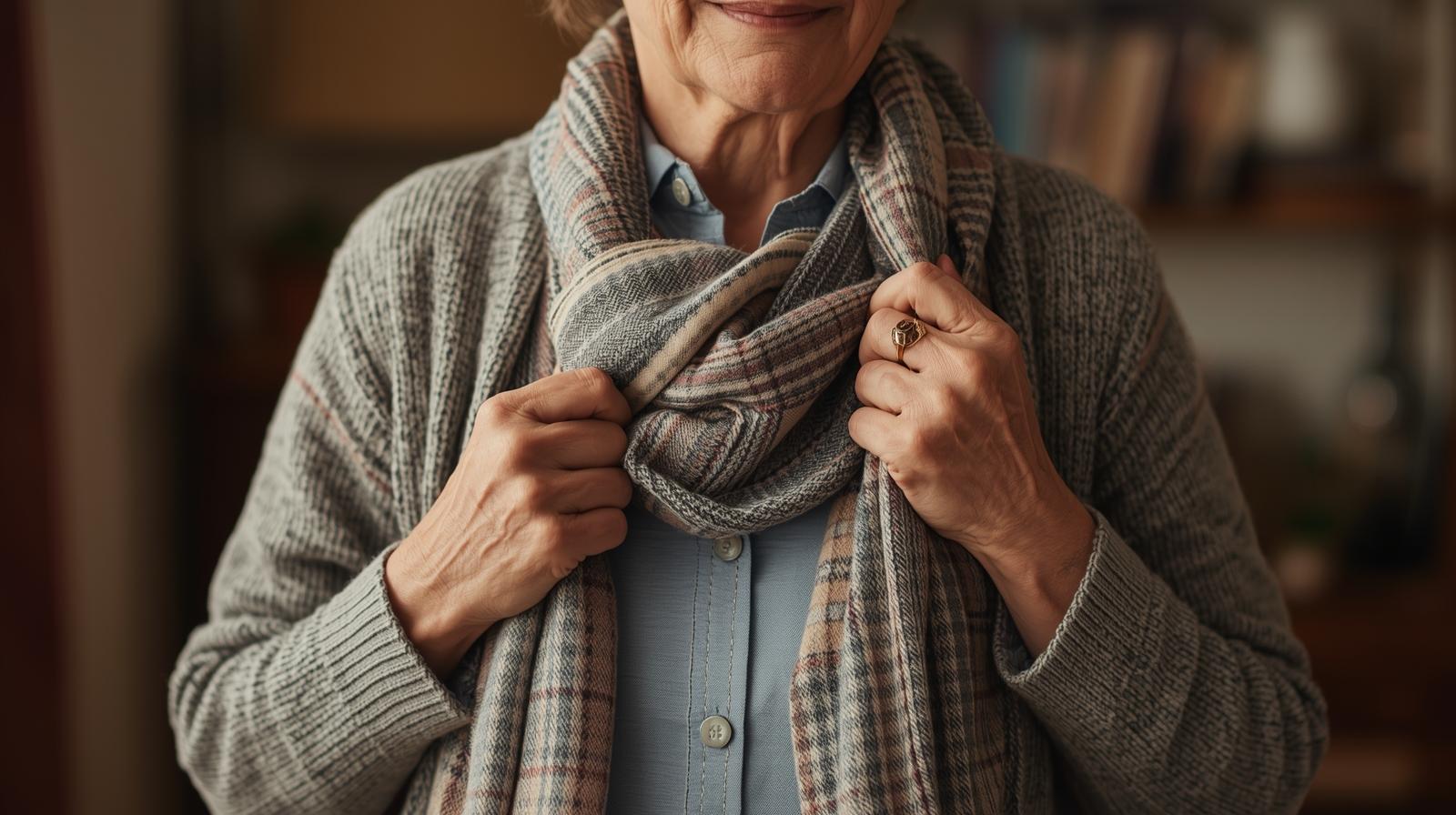
Effective layering typically includes three functional levels, each with a specific role.
Base Layer
The base layer is worn closest to the skin and focuses on comfort and breathability.
-
Soft, gentle fabrics
-
Lightweight materials
-
Smooth seams to reduce irritation
A comfortable base layer supports skin health and temperature balance.
Middle Layer
The middle layer provides warmth and insulation without adding bulk.
-
Cardigans or lightweight sweaters
-
Jersey-knit or fleece tops
-
Open-front designs for easy removal
Middle layers are ideal for indoor environments and mild temperature changes.
Outer Layer
The outer layer protects against drafts or cooler outdoor air.
-
Light jackets or vests
-
Loose, non-restrictive designs
-
Easy-on, easy-off garments
Outer layers are useful when transitioning between indoor and outdoor spaces.
Fabric Considerations for Layering
Fabric choice plays a key role in how effective layered clothing feels throughout the day.
Recommended Fabric Qualities
-
Breathable materials to prevent overheating
-
Soft textures for sensitive skin
-
Flexible fabrics that allow easy movement
-
Lightweight construction to reduce fatigue
Selecting the right fabrics ensures layering remains comfortable and practical.
Safety and Mobility Considerations
Layered clothing should never interfere with balance or movement.
Safety Tips
-
Avoid overly long or loose layers that may cause tripping
-
Choose simple designs without complicated fasteners
-
Ensure layers do not restrict arm or leg movement
Safe layering supports confidence and reduces fall risk.
Seasonal Layering Adjustments
Layering strategies may change depending on the time of year.
Seasonal Guidance
-
Warm seasons: Use thin, breathable layers that can be removed easily
-
Cool seasons: Add soft insulating layers without heavy weight
-
Indoor settings: Keep a light sweater nearby for air-conditioned spaces
Adapting layers to the season helps maintain consistent comfort.
Supporting Independence Through Clothing Choices
Layered outfits allow seniors to adjust clothing independently, supporting autonomy and dignity. Easy-to-remove layers reduce the need for assistance and make daily routines smoother.
Organizing closets with accessible layering pieces can further simplify dressing.
Caregiver Support and Layering Practices
Caregivers can assist by selecting practical layering options and keeping extra garments within reach. Preparing layered outfits in advance helps prevent discomfort and reduces daily stress.
Gentle reminders and support allow seniors to remain comfortable while staying involved in their own care.
Community-Based Support for Daily Comfort
Senior care services often guide families in managing everyday comfort challenges. Clothing strategies, including layering, are an important part of maintaining safety and well-being.
Informational Note on Friendly Faces Senior Care
Friendly Faces Senior Care focuses on compassionate, people-centered support that helps seniors adapt to daily changes comfortably and safely. Their approach highlights how thoughtful practices—such as effective clothing layering—can improve comfort, confidence, and quality of life.
Layered clothing is an effective way for seniors to manage temperature changes throughout the day. By combining lightweight garments, appropriate fabrics, and safe designs, layering supports comfort, independence, and mobility.
Understanding and applying informed layering practices allows seniors and caregivers to create daily routines that promote stability, dignity, and long-term well-being.