

At Friendly Faces Senior Care, we know that comfort and safety often come down to the little things—like how seniors dress for changing temperatures. Layering clothing is one of the simplest yet most effective ways to adapt to shifting weather, whether it’s a cool morning that warms up by noon or a chilly evening after a sunny day. For seniors, layering isn’t just about fashion—it’s about maintaining health, mobility, and confidence.
This guide explores practical layering techniques that help seniors stay comfortable, safe, and stylish throughout the year.
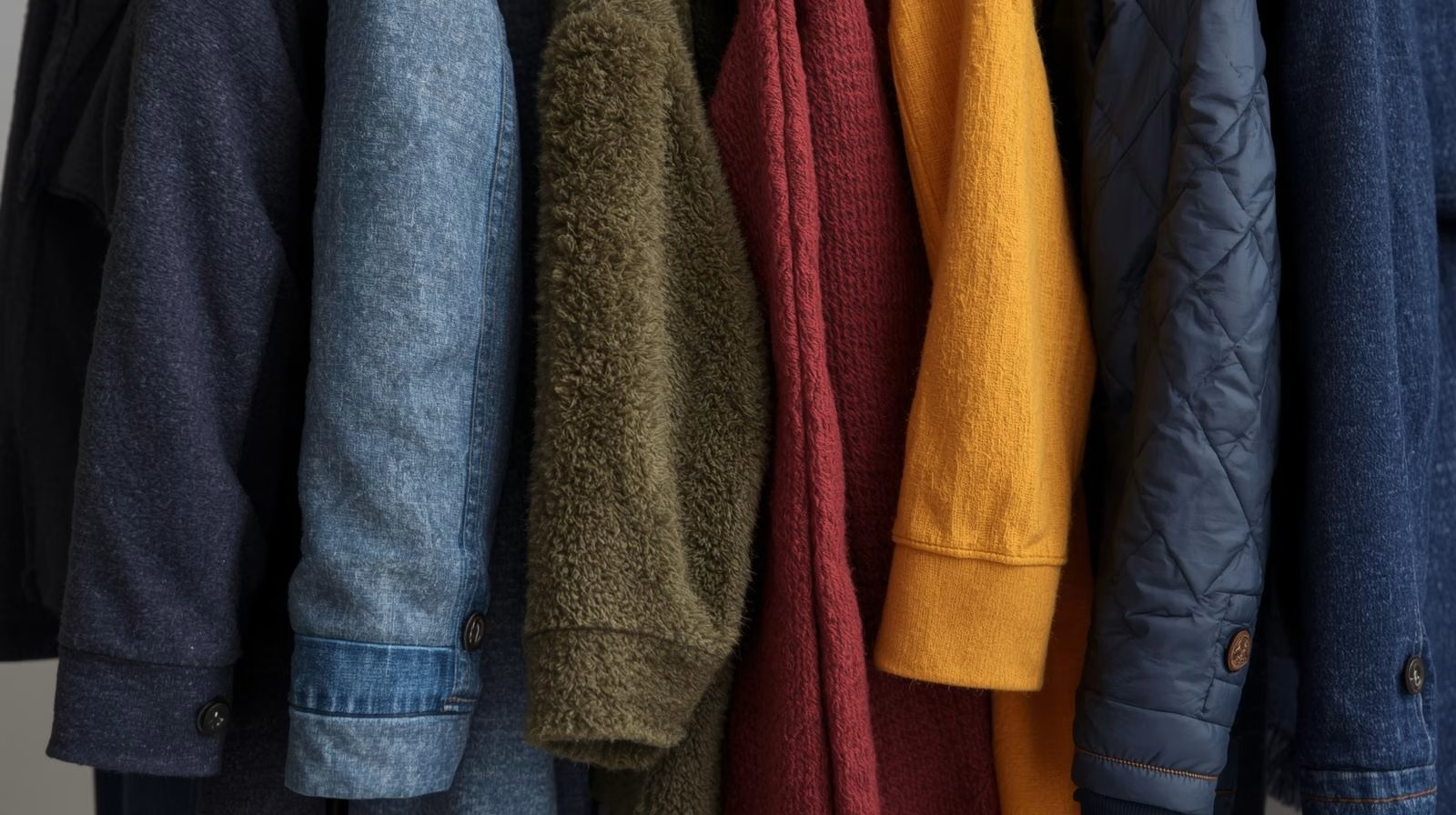
Why Layering Matters for Seniors
Layering clothing is more than a style choice—it’s a health strategy. Seniors often experience changes in body temperature more quickly than younger adults, making it important to adjust clothing easily. Proper layering can:
- Prevent overheating or chills by allowing quick adjustments.
- Support circulation and mobility with lightweight, flexible fabrics.
- Reduce health risks such as hypothermia in winter or heat stress in summer.
- Encourage independence, since layers can be added or removed without assistance.
- Boost confidence, helping seniors feel prepared for any situation.
The Basics of Layering
Effective layering follows a simple three-step system:
- Base Layer: Worn closest to the skin, this layer manages moisture and keeps the body dry.
- Middle Layer: Provides insulation and warmth without adding bulk.
- Outer Layer: Protects against wind, rain, or cold air.
By combining these layers, seniors can adapt quickly to temperature changes indoors and outdoors.
Spring Layering: Light and Flexible
Spring weather can be unpredictable, with cool mornings and warmer afternoons.
- Base layer: Lightweight cotton or moisture-wicking fabric.
- Middle layer: A soft cardigan or light fleece for warmth.
- Outer layer: A water-resistant jacket for sudden showers.
- Accessories: A scarf or hat adds extra warmth when needed.
Tip: Choose cheerful colors to reflect the season’s energy and lift spirits.
Summer Layering: Cool and Protective
Even in hot weather, layering can help seniors stay comfortable and safe.
- Base layer: Breathable fabrics like cotton blends or linen.
- Middle layer: A lightweight shirt or blouse that can be removed easily.
- Outer layer: A sun-protective jacket or shawl for outdoor activities.
- Accessories: Wide-brimmed hats and UV-blocking sunglasses.
Tip: Light-colored clothing reflects sunlight and keeps seniors cooler.
Autumn Layering: Cozy and Adaptable
Autumn brings crisp air and fluctuating temperatures.
- Base layer: Long-sleeved cotton tops or thermal undershirts.
- Middle layer: Soft knits, vests, or fleece pullovers.
- Outer layer: A medium-weight jacket or coat.
- Accessories: Scarves and gloves for added warmth.
Tip: Earth tones and warm hues can brighten moods and match the season’s beauty.
Winter Layering: Warmth and Safety
Cold weather requires careful layering to prevent health risks.
- Base layer: Thermal undergarments made of wool or synthetic blends.
- Middle layer: Insulating sweaters or fleece jackets.
- Outer layer: A lightweight but insulated coat.
- Accessories: Gloves, hats, and thick socks to protect extremities.
Tip: Avoid overly heavy coats that restrict movement or cause fatigue.
Practical Layering Tips for Seniors
Beyond seasonal specifics, layering can be simplified with these strategies:
- Choose easy closures: Velcro, zippers, or magnetic snaps make dressing easier.
- Opt for lightweight fabrics: Prevents bulk and allows freedom of movement.
- Keep layers accessible: Store seasonal items within easy reach.
- Balance style and function: Seniors should feel safe but also stylish.
- Rotate wardrobes seasonally: Keeps appropriate clothing ready at all times.
Emotional Benefits of Layering
Clothing isn’t just functional—it affects how seniors feel. Layering can:
- Boost confidence: Seniors feel prepared for any situation.
- Encourage social interaction: Feeling presentable makes seniors more likely to join activities.
- Create joy: Seasonal colors and styles can spark positive emotions.
Caregiver’s Role in Layering
Caregivers play a vital role in helping seniors dress appropriately for changing temperatures.
- Plan ahead: Rotate wardrobes seasonally to make suitable clothing accessible.
- Encourage independence: Lay out options but let seniors choose what they prefer.
- Monitor comfort: Check for signs of overheating, chills, or discomfort.
- Balance practicality with style: Seniors should feel safe but also stylish.
Layering Checklist for Seniors
Here’s a quick checklist caregivers can use:
- Spring: Cotton base layer, light fleece, water-resistant jacket.
- Summer: Breathable fabrics, lightweight shirt, sun-protective outerwear.
- Autumn: Thermal undershirt, soft knits, medium-weight jacket.
- Winter: Thermal base, insulating sweater, insulated coat.
Conclusion: Comfort in Every Season
Layering techniques help seniors adapt to temperature changes with ease, ensuring comfort, safety, and dignity. By choosing the right fabrics and combining base, middle, and outer layers, seniors can enjoy every season without worry.
At Friendly Faces Senior Care, we believe that thoughtful details like layering make life brighter and safer for seniors. Whether it’s a cozy sweater in autumn or a breathable shirt in summer, the right clothing helps seniors live fully and comfortably.
Call to Action: If you’re looking for compassionate guidance and personalized care for your loved one, reach out to Friendly Faces Senior Care today. Let us help you ensure that every season is lived with comfort, safety, and joy.