
Staying active is one of the most important ways seniors can maintain independence, health, and happiness. Yet, not all exercise programs are suitable for older adults. High-intensity workouts may cause strain or injury, while inactivity can lead to weakness and chronic health issues. The solution lies in low-impact exercise programs—gentle routines designed to strengthen the body, improve balance, and boost energy without unnecessary stress. That’s where Friendly Faces Senior Care comes in. As a trusted partner, they help families and organizations introduce safe, accessible exercise programs tailored to seniors, ensuring every movement supports health and confidence.
Why Low-Impact Exercise Matters for Seniors
Low-impact exercise focuses on movements that minimize stress on joints and muscles while still delivering significant health benefits. For seniors, these programs are essential because they:
- Support mobility: Gentle exercises keep joints flexible and muscles strong.
- Prevent falls: Balance training reduces risks of accidents.
- Boost cardiovascular health: Activities like walking or swimming improve heart function.
- Enhance mental well-being: Exercise reduces stress and supports emotional health.
- Encourage independence: Staying active helps seniors manage daily tasks with ease.
Without regular activity, seniors may face muscle loss, reduced balance, and increased risk of chronic disease.
Low impact exercise programs
Examples of Low-Impact Exercise Programs
1. Walking Clubs
Walking is one of the simplest and most effective low-impact exercises. Group walks encourage social connection while improving cardiovascular health.
2. Chair Exercises
Seated routines allow seniors with mobility challenges to strengthen muscles safely.
3. Water Aerobics
Exercising in water reduces joint strain while providing resistance for strength training.
4. Tai Chi
This ancient practice combines slow, flowing movements with mindfulness, improving balance and reducing stress.
5. Gentle Yoga
Adapted poses and breathing exercises enhance flexibility and relaxation.
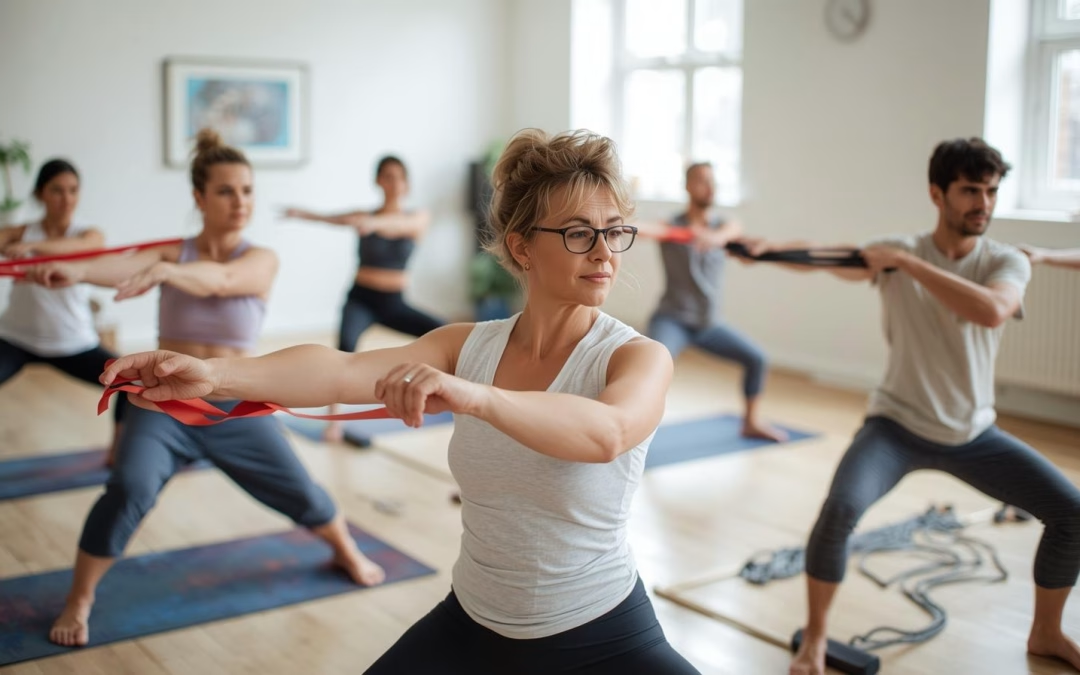
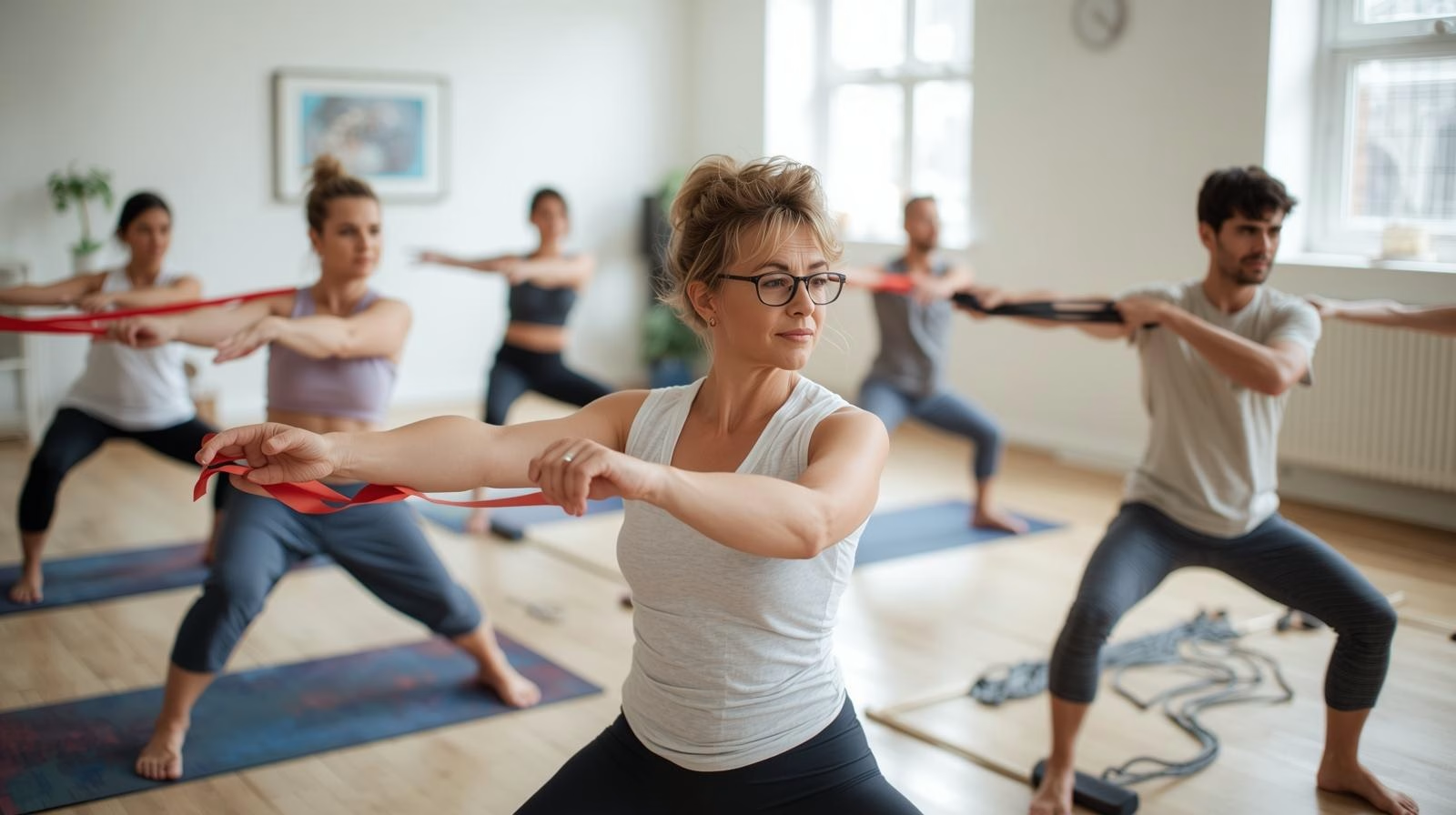
6. Resistance Band Workouts
Light resistance training builds strength without heavy weights.
7. Stretching Sessions
Daily stretching routines relieve stiffness and improve posture.
Challenges Seniors Face in Staying Active
1. Physical Limitations
Arthritis, osteoporosis, or chronic pain may restrict certain movements.
2. Accessibility
Transportation barriers can prevent seniors from attending group classes.
3. Financial Constraints
Gym memberships or specialized programs may be costly.
4. Emotional Resistance
Fear of injury or lack of confidence can discourage participation.
5. Caregiver Overload
Families may struggle to coordinate schedules and support attendance.
The Role of Virtual Staffing in Exercise Programs
Organizing exercise programs requires coordination, communication, and consistency. Virtual staffing provides a flexible solution, allowing organizations to access skilled professionals who manage tasks remotely.
Virtual staff can assist by:
- Scheduling classes and sending reminders.
- Coordinating instructors and facilities.
- Managing communication with seniors and families.
- Tracking attendance and feedback.
- Organizing online exercise sessions for those unable to attend in person.
With the help of agencies like Friendly Faces Senior Care, wellness programs become easier to manage and more inclusive.
Case Study: A Retirement Community’s Fitness Initiative
A retirement community noticed residents struggling with mobility and energy levels. By partnering with Friendly Faces Senior Care, they introduced low-impact exercise programs coordinated by virtual staff. Remote professionals scheduled classes, managed communication, and organized online sessions for those at home. Within six months, seniors reported improved strength, reduced stress, and greater satisfaction with their daily lives.
This example shows how virtual staffing can transform exercise programs into sustainable, impactful initiatives.
The Future of Low-Impact Exercise for Seniors
Technology is reshaping wellness. Online platforms, virtual classes, and digital resources are expanding opportunities for seniors to stay active. Virtual staffing complements these innovations, ensuring seniors receive personalized support that blends technology with human connection.
The future lies in hybrid models—combining in-person classes with online opportunities to create inclusive, flexible systems of support.
Best Practices for Low-Impact Exercise Programs Using Virtual Staffing
- Assess needs: Identify which exercises resonate most with seniors.
- Partner with trusted agencies: Work with providers like Friendly Faces Senior Care that vet professionals thoroughly.
- Set clear expectations: Define roles, responsibilities, and performance metrics.
- Invest in communication tools: Ensure seamless collaboration between staff, seniors, and families.
- Monitor outcomes: Track participation, satisfaction, and health improvements to measure success.
A Call to Action
Low-impact exercise programs are essential for seniors to maintain independence, vitality, and joy. With the right staffing partner, families and organizations can expand their impact, reduce strain on caregivers, and create environments where older adults thrive.
👉 Ready to strengthen your exercise programs and scale smarter? Connect with Friendly Faces Senior Care today and discover how virtual staffing can transform senior fitness into a supportive, engaging experience that promotes healthier aging.