
Nail care and hygiene for seniors is an important part of personal care that supports comfort, cleanliness, and overall health as people age. Because nails can become thicker, brittle, or harder to manage over time, consistent nail care and hygiene for seniors helps reduce discomfort, prevent infections, and support daily well-being. Care providers such as Friendly Faces Senior Care often emphasize respectful grooming routines that protect both physical health and personal dignity.
Why Nail Care Matters in Older Adults
As seniors age, changes in circulation, mobility, and vision can make nail maintenance more challenging. Long or improperly trimmed nails may lead to pain, skin injuries, or difficulty with everyday tasks such as buttoning clothes or walking comfortably.
Regular nail care supports hygiene, reduces the risk of infection, and allows early detection of potential health concerns affecting the hands and feet.
Common Nail Changes With Aging
Aging can affect nails in several ways, making routine care especially important.
Typical Nail Changes
-
Thickened or hardened toenails
-
Brittle or splitting fingernails
-
Slower nail growth
-
Discoloration or ridges
-
Increased risk of fungal infections
Understanding these changes helps caregivers and seniors adjust nail care routines appropriately.
 Safe Nail Trimming Practices
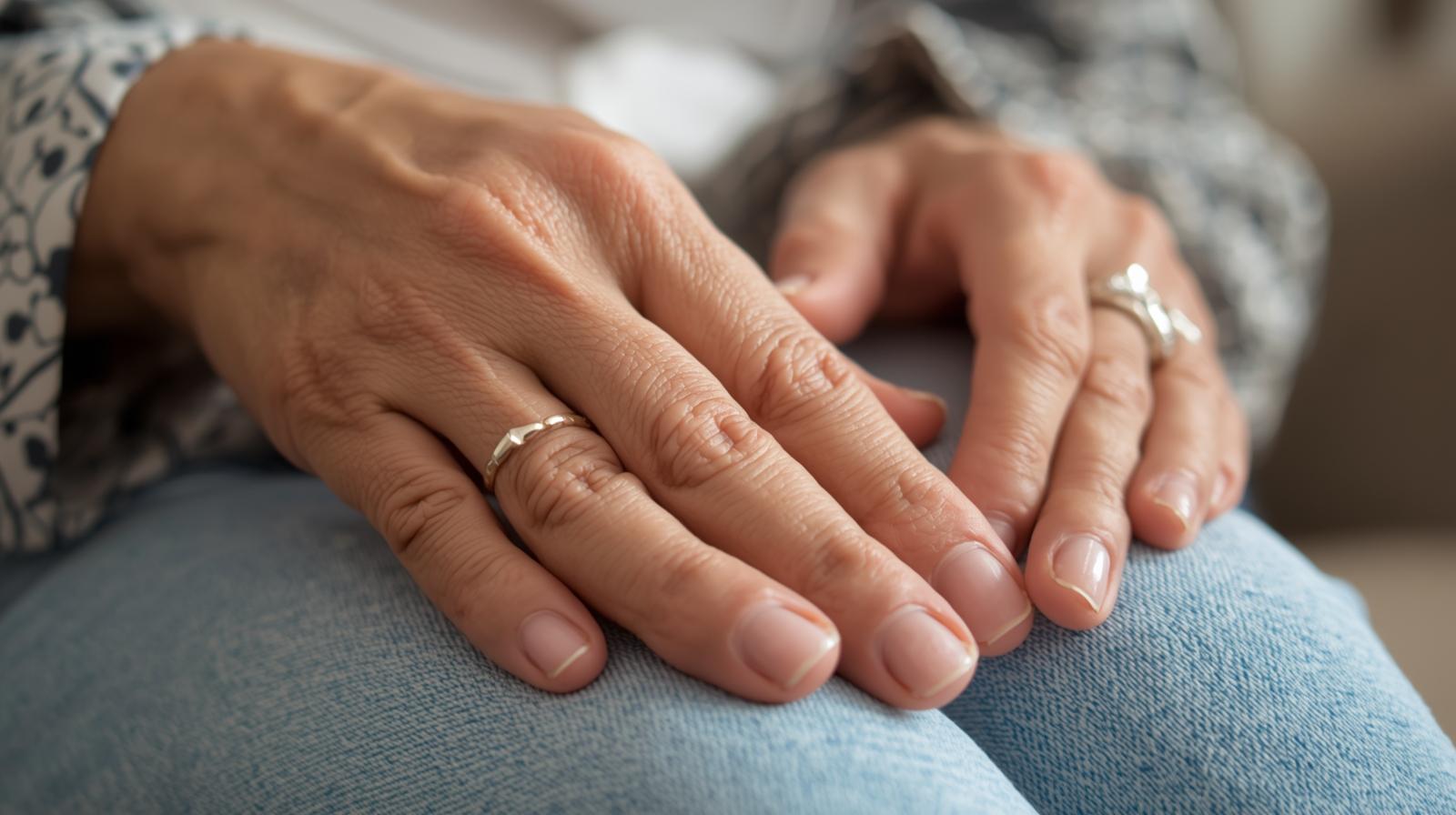
Proper trimming techniques help prevent injury and discomfort.
Nail Trimming Tips
-
Trim nails after bathing when they are softer
-
Use nail clippers designed for thicker nails
-
Cut fingernails straight across with slight rounding
-
Trim toenails straight across to reduce ingrown nails
-
File rough edges gently
Taking time and using the right tools improves safety and comfort.
Foot and Toenail Care Considerations
Foot care is especially important for seniors, as toenail issues can affect mobility and balance.
Foot Care Tips
-
Keep feet clean and dry
-
Inspect toes regularly for redness or sores
-
Wear well-fitting shoes to prevent pressure
-
Seek professional help for very thick or painful toenails
Proper foot and toenail care supports safer walking and daily movement.
Preventing Infections and Skin Issues
Clean, well-maintained nails help prevent bacterial and fungal infections.
Hygiene Practices
-
Wash hands and feet regularly
-
Dry thoroughly between toes
-
Avoid sharing nail tools
-
Disinfect clippers and files after use
Good hygiene reduces the risk of infections and skin irritation.
Supporting Independence With Nail Care
When possible, seniors should be encouraged to participate in their own nail care. Adaptive tools, such as easy-grip clippers or magnifying glasses, can support independence while maintaining safety.
For those with limited mobility or vision, supervised assistance helps ensure care is provided without risk.
Role of Caregivers in Nail Care Support
Caregivers often assist with nail care when seniors are unable to manage safely on their own. Providing care calmly, patiently, and respectfully helps preserve dignity and comfort.
Preparing supplies in advance and maintaining consistent routines can make nail care less stressful and more effective.
Nail Care Across Different Living Environments
Nail care needs may vary depending on where seniors live.
Common Settings
-
Private homes
-
Assisted living communities
-
Memory care environments
-
Rehabilitation or recovery settings
Each setting benefits from individualized nail care routines based on physical and cognitive needs.
Community-Based Personal Care Support
Community-based senior care services help families manage grooming tasks safely at home. Professional support ensures nail care is consistent, hygienic, and tailored to individual health needs.
Informational Note on Friendly Faces Senior Care
Friendly Faces Senior Care provides compassionate personal care services that include grooming and nail hygiene support. Their people-centered approach helps seniors maintain comfort, safety, and dignity while supporting overall health and quality of life.
How often should seniors trim their nails?
Most seniors benefit from nail trimming every few weeks, depending on growth.
Should seniors see a professional for toenail care?
Yes, especially if nails are thick, painful, or difficult to manage.
Can poor nail hygiene cause health issues?
Yes. Infections and skin injuries can occur if nails are neglected.
Is caregiver assistance always necessary?
Not always. Many seniors can manage with the right tools and support.
Consistent nail care and hygiene play an important role in senior health, comfort, and daily functioning. With safe practices, proper tools, and respectful assistance, nail care can remain a manageable and positive part of daily routines.
Understanding the importance of nail hygiene helps seniors and caregivers create supportive habits that promote cleanliness, mobility, and long-term well-being.