

As families navigate the challenges of aging, one of the most pressing concerns is how to provide the right level of care for loved ones. For many, the journey involves balancing independence with safety, and emotional well-being with medical needs. This is where nursing and memory care support becomes essential. It offers not only professional expertise but also compassion, dignity, and reassurance for seniors and their families.
Choosing the right care environment is never easy. It requires understanding the unique needs of each individual, from medical conditions to lifestyle preferences. Nursing and memory care support provides a framework for meeting these needs holistically, ensuring that seniors are not just cared for, but truly supported.
Understanding Nursing Care
Nursing care refers to professional medical support provided in senior living communities, rehabilitation centers, or at home. It involves skilled nurses who monitor health, administer medications, and provide assistance with daily activities. Nursing care is designed for individuals who require consistent medical attention, whether due to chronic illness, recovery from surgery, or age-related conditions.
The value of nursing care lies in its ability to combine medical expertise with personal compassion. Nurses are not only caregivers but advocates, ensuring that seniors receive the treatment and respect they deserve.
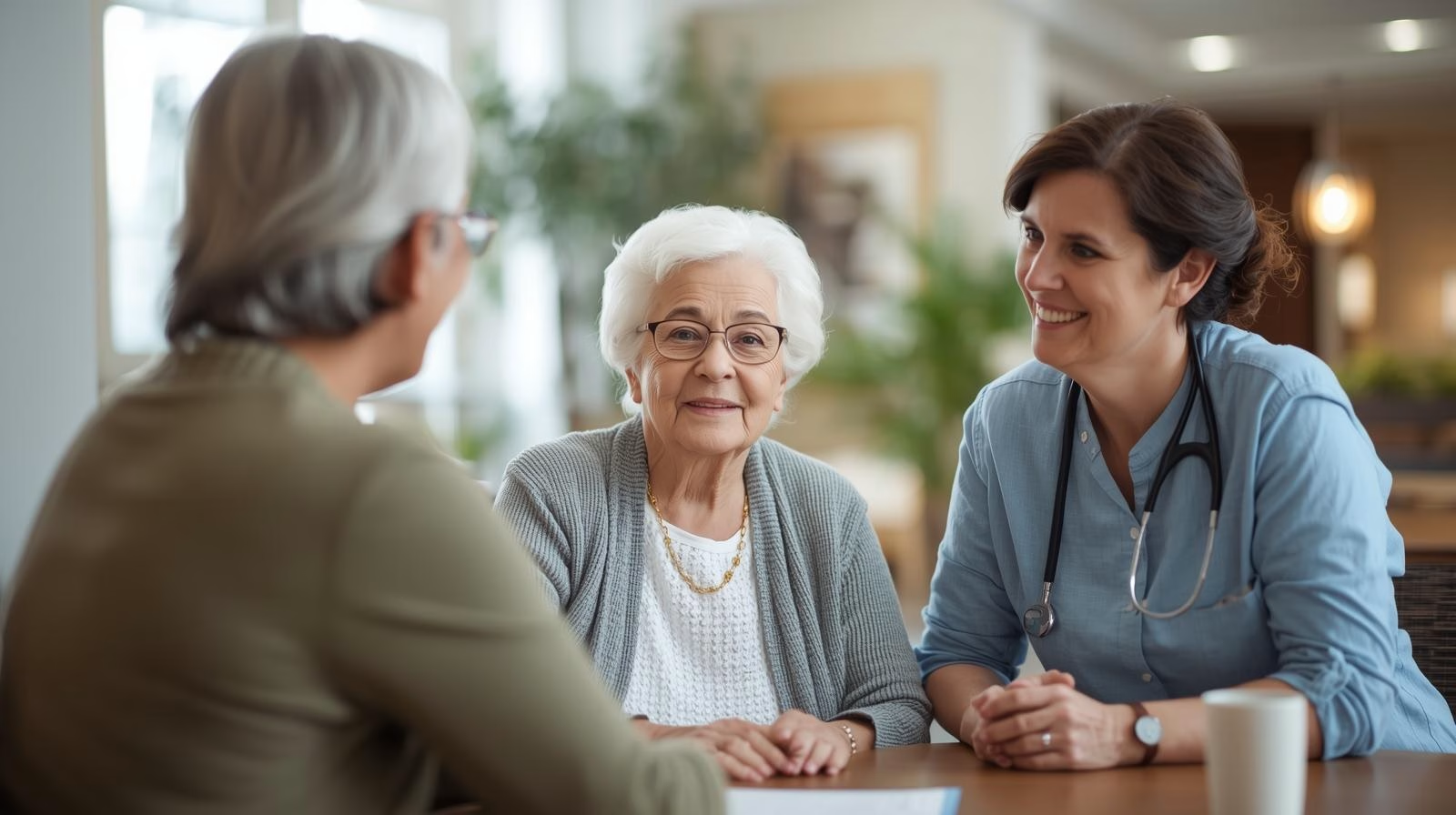
Understanding Memory Care
Memory care is a specialized form of support for individuals living with Alzheimer’s disease, dementia, or other cognitive impairments. It goes beyond traditional nursing care by creating environments tailored to memory challenges. Memory care communities are designed with safety, structure, and stimulation in mind, helping residents maintain dignity and quality of life.
Memory care support often includes:
- Secure environments to prevent wandering.
- Structured routines to reduce confusion.
- Activities that stimulate memory and cognitive function.
- Staff trained in dementia care and communication.
Families often find memory care invaluable because it provides peace of mind. Loved ones are not only safe but engaged in meaningful experiences.
Why Nursing and Memory Care Support Matters
The importance of nursing and memory care support cannot be overstated. It bridges the gap between medical needs and emotional well-being. Seniors benefit from professional attention while families gain reassurance that their loved ones are in capable hands.
Key benefits include:
- Safety: Professional monitoring reduces risks associated with illness or cognitive decline.
- Comfort: Seniors receive assistance with daily tasks, reducing stress and frustration.
- Engagement: Memory care activities encourage participation and joy.
- Family support: Families receive guidance, updates, and emotional reassurance.
The Human Side of Care
Behind every nursing and memory care program are people—nurses, caregivers, and staff who bring warmth and empathy to their roles. This human side of care is what transforms services into experiences. Seniors feel valued when caregivers treat them with respect and kindness.
Families often describe the relief of seeing their loved ones cared for by professionals who embody compassion. Nursing and memory care support is not just about medical charts; it is about smiles, conversations, and human connection.
Building Trust in Care
Trust is essential in nursing and memory care. Families must feel confident that their loved ones are receiving the best possible support. Building trust involves transparency, communication, and consistency.
- Transparency: Clear information about services, costs, and expectations.
- Communication: Regular updates to families about health and well-being.
- Consistency: Reliable routines and dependable staff.
When trust is established, families can focus less on worry and more on meaningful time with their loved ones.
The Role of Communities
Senior living communities that offer nursing and memory care support play a vital role in shaping experiences. They provide not only medical services but also social opportunities, wellness programs, and safe environments.
Communities often highlight their ability to blend professional care with vibrant lifestyles. Seniors can participate in activities, enjoy meals with peers, and feel part of a community—all while receiving the medical and memory support they need.
Emotional Challenges for Families
Families often face emotional challenges when considering nursing or memory care. Guilt, fear, and uncertainty are common. Trusted guidance helps families navigate these emotions by emphasizing that care is not about loss of independence, but about enhancing quality of life.
Support programs often include family counseling, education, and open communication. These resources help families feel included in the care journey.
Financial Considerations
Cost is a significant factor in nursing and memory care decisions. Services vary widely depending on location, level of care, and amenities. Families must consider budgets carefully, balancing financial realities with the need for quality support.
Trusted guidance helps families understand options, explore financial assistance, and plan for sustainability. Transparency in pricing builds confidence and reduces stress.
Personalization in Care
No two seniors are alike. Nursing and memory care support recognizes this by offering personalized plans. Care is tailored to medical conditions, cognitive abilities, lifestyle preferences, and cultural values.
Personalization ensures that seniors feel seen and respected. It transforms care from a routine into a meaningful experience.
Technology in Nursing and Memory Care
Technology is increasingly shaping nursing and memory care. From health monitoring devices to digital communication tools, technology enhances safety and convenience.
Examples include:
- Wearable devices that track vital signs.
- Digital platforms for family updates.
- Cognitive apps that support memory stimulation.
Technology does not replace human care, but it complements it, creating environments where seniors feel empowered and connected.
Case Example: Care in Action
Consider a senior living with early-stage dementia. Their family struggles to balance independence with safety. Nursing and memory care support provides a solution: a community with secure environments, structured routines, and compassionate staff.
The senior participates in memory-stimulating activities, enjoys meals with peers, and receives medical monitoring. The family feels reassured, knowing their loved one is safe and engaged. This example illustrates how nursing and memory care support transforms challenges into opportunities for dignity and joy.
The Role of Professionals
Nurses and caregivers are the backbone of nursing and memory care. Their expertise ensures medical accuracy, while their empathy ensures emotional comfort. Professionals act as advocates, educators, and companions.
Families often describe caregivers as extensions of their own family. Their presence brings reassurance and peace of mind.
Looking Ahead: The Future of Care
The future of nursing and memory care support will emphasize personalization, technology, and holistic wellness. As the population ages, demand for specialized care will grow.
Trends may include:
- Greater integration of technology for monitoring and engagement.
- Expanded wellness programs focusing on mental and emotional health.
- Stronger emphasis on diversity and inclusion in care communities.
- Continued prioritization of trust and compassion.
Nursing and memory care support is more than a service—it is a lifeline for families and seniors. It provides professional expertise, compassionate guidance, and reassurance during one of life’s most challenging journeys.
By focusing on safety, personalization, and dignity, nursing and memory care ensures that seniors are not just cared for, but truly supported. Families gain peace of mind knowing their loved ones are in environments where they can thrive.
In the end, nursing and memory care support is about people. It is about ensuring that seniors live with dignity, families feel supported, and communities embody compassion. With trusted guidance, the journey becomes not a burden, but a pathway to comfort, belonging, and hope.