

At Friendly Faces Senior Care, we believe that personal hygiene and dressing routines are more than just daily tasks—they are essential practices that preserve dignity, comfort, and confidence. For seniors, maintaining hygiene while dressing can sometimes become challenging due to mobility limitations, arthritis, or cognitive changes. With thoughtful support and practical tips, caregivers can help older adults feel fresh, comfortable, and respected every day.
This guide explores personal hygiene tips that connect directly with dressing routines, focusing on safety, comfort, and emotional well‑being.
Why Hygiene and Dressing Go Hand in Hand
Personal hygiene and dressing are closely linked. Clean skin, fresh clothing, and neat grooming all contribute to health and self‑esteem. For seniors, these routines:
- Prevent infections by keeping skin, nails, and clothing clean.
- Boost confidence through neat appearance and fresh feeling.
- Support dignity, reinforcing self‑worth and identity.
- Encourage independence, allowing seniors to participate in their own care.
- Provide routine, creating structure and stability in daily life.
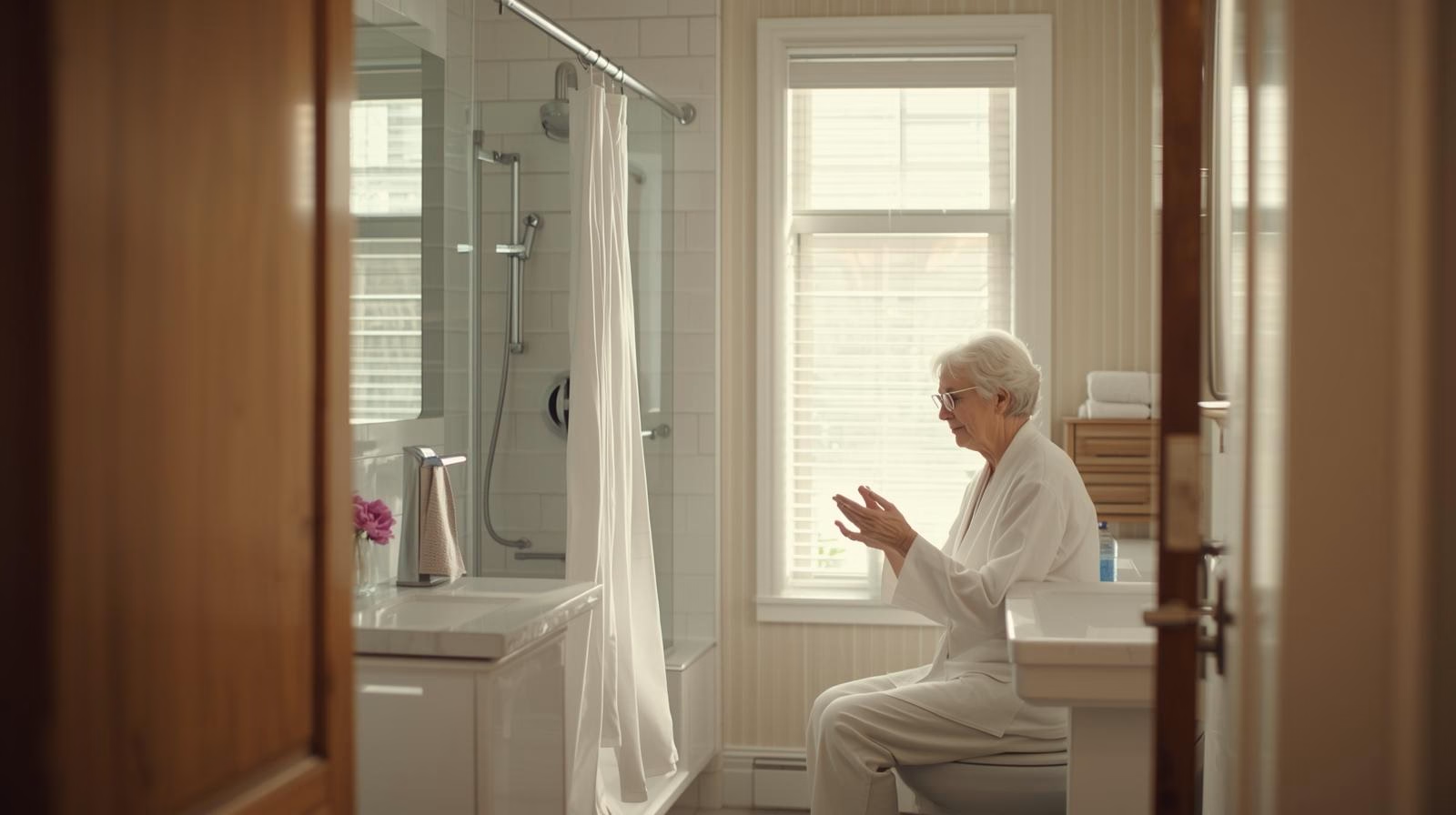
Common Challenges Seniors Face
Caregivers often encounter specific challenges when assisting seniors with hygiene and dressing:
- Mobility limitations: Arthritis or joint pain makes bathing and dressing difficult.
- Cognitive changes: Seniors with dementia may resist or forget routines.
- Skin sensitivity: Aging skin requires gentle products and fabrics.
- Temperature regulation: Seniors may feel cold or hot more easily.
- Emotional resistance: Some may feel embarrassed or uncomfortable needing help.
Hygiene Tips Before Dressing
Bathing and Skin Care
- Use mild, fragrance‑free soaps to prevent dryness.
- Apply moisturizer after bathing to keep skin soft.
- Ensure skin is fully dry before dressing to avoid irritation.
- Check for rashes, sores, or changes in skin condition.
Oral Hygiene
- Brush teeth twice daily with soft‑bristle brushes.
- Clean dentures thoroughly to prevent irritation.
- Encourage hydration to reduce dry mouth.
- Schedule regular dental checkups.
Hair and Nail Care
- Wash hair with gentle shampoos 2–3 times a week.
- Trim nails straight across to prevent ingrown nails.
- File edges gently to smooth rough spots.
- Moisturize cuticles to prevent dryness.
Dressing Tips for Seniors
Choose Comfortable Fabrics
- Soft cotton, jersey knits, or breathable blends reduce irritation.
- Avoid rough seams or tight elastic that can cause discomfort.
Simplify Closures
- Use Velcro, magnetic snaps, or elastic waistbands.
- Avoid small buttons or tricky zippers that strain joints.
Prioritize Safety
- Non‑slip shoes reduce fall risks.
- Layer clothing for easy temperature adjustment.
- Avoid overly long garments that may cause tripping.
Respect Personal Style
- Encourage seniors to choose colors and patterns they enjoy.
- Balance practicality with individuality.
- Offer seasonal options that reflect their preferences.
Hygiene and Dressing for Seniors with Limited Mobility
For seniors who find hygiene and dressing difficult, adaptive techniques can help.
- Bath chairs and handheld showerheads simplify bathing.
- Adaptive clothing with open backs or side zippers reduces strain.
- Caregiver assistance with gentle guidance supports dignity.
- Accessible tools like wide‑handled brushes and clippers reduce effort.
Emotional Benefits of Hygiene and Dressing
These routines aren’t just physical—they’re emotional.
- Boost self‑esteem: Seniors feel more confident when well‑groomed.
- Encourage socialization: Feeling presentable makes seniors more likely to join activities.
- Provide comfort: Fresh, clean routines promote relaxation.
- Support dignity: Grooming and dressing reinforce identity and self‑worth.
Caregiver’s Role in Supporting Hygiene and Dressing
Caregivers can make hygiene and dressing positive experiences by:
- Offering choices: Let seniors select soaps, shampoos, or clothing.
- Respecting privacy: Provide space and discretion during routines.
- Encouraging participation: Even small actions, like brushing hair, support independence.
- Balancing practicality with style: Seniors should feel safe but also stylish.
Hygiene and Dressing Checklist for Caregivers
Here’s a quick checklist caregivers can use:
- Mild soap, shampoo, and moisturizer.
- Soft‑bristle brush and nail clippers.
- Comfortable, breathable clothing.
- Adaptive wear with easy closures.
- Non‑slip shoes and seasonal layers.
- Oral care supplies (toothbrush, denture cleaner).
Gentle Care, Confident Living
Personal hygiene and dressing routines for seniors are about more than appearance—they’re about dignity, comfort, and joy. With gentle care, safe environments, and respectful support, seniors can maintain confidence and well‑being every day.
At Friendly Faces Senior Care, we believe that thoughtful details like hygiene and dressing make life brighter and safer for seniors. Whether it’s a warm bath, clean nails, or a favorite outfit, the right approach helps seniors live fully and confidently.
Call to Action: If you’re seeking compassionate guidance and personalized care for your loved one, reach out to Friendly Faces Senior Care today. Let us help you ensure that every day is lived with comfort, dignity, and joy.