
Nutrition is never one-size-fits-all, especially for older adults. Each senior has unique health needs, preferences, and challenges that shape the way they eat. At Friendly Faces Senior Care, we believe that personalized nutrition plans are essential for supporting wellness, independence, and dignity. By tailoring meals and snacks to individual needs, caregivers can transform food into a powerful tool for comfort and health.
Why Personalization Matters
As people age, their bodies change in ways that affect nutrition:
- Metabolism slows, requiring fewer calories but more nutrients.
- Medical conditions like diabetes, hypertension, or arthritis demand dietary adjustments.
- Dental issues can make chewing difficult, requiring softer textures.
- Medication side effects may reduce appetite or alter taste.
- Emotional factors such as loneliness or depression can influence eating habits.
A personalized nutrition plan addresses these realities, ensuring that seniors receive the nourishment they need in ways that feel manageable and enjoyable.
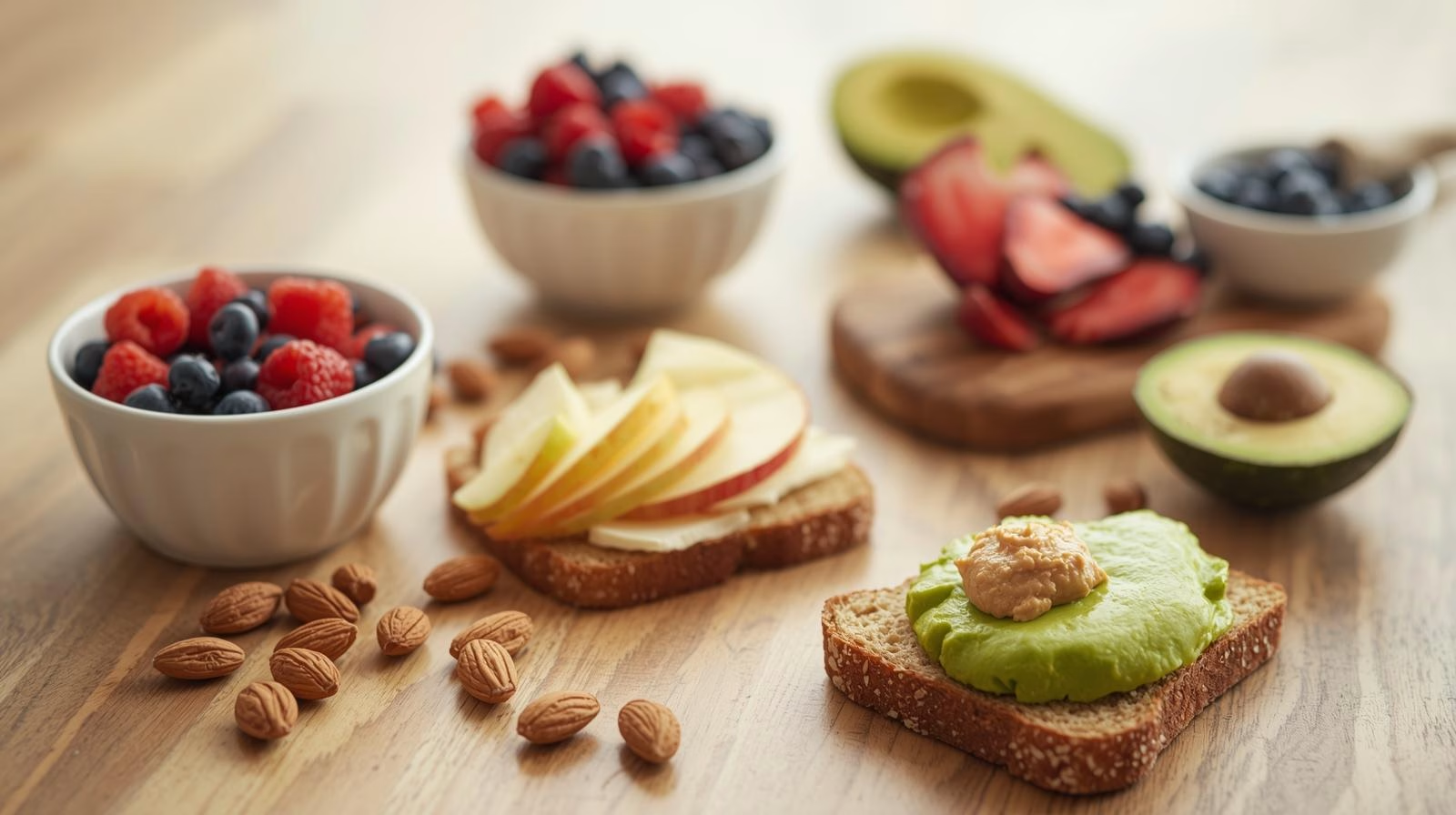
The Foundations of Personalized Nutrition
1. Health Conditions
Plans should reflect medical needs. For example:
- Low-sodium meals for hypertension.
- Controlled carbohydrates for diabetes.
- Anti-inflammatory foods for arthritis.
2. Preferences and Culture
Food is deeply personal. Seniors thrive when meals reflect their cultural traditions, favorite flavors, and lifelong habits.
3. Texture and Accessibility
Soft, easy-to-chew meals support seniors with dental or swallowing difficulties. Smoothies, soups, and mashed vegetables can be both nutritious and comforting.
4. Emotional Connection
Meals should spark joy. Incorporating familiar recipes or favorite snacks helps seniors feel cared for and connected.
Steps in Creating a Personalized Nutrition Plan
- Assessment
Begin with a review of health conditions, medications, and dietary restrictions. - Preference Mapping
Ask seniors about favorite foods, cultural dishes, and comfort meals. - Meal Structuring
Plan balanced meals with appropriate portions of protein, fiber, and healthy fats. - Snack Integration
Include nutrient-dense snacks to maintain energy and prevent weight loss. - Hydration Support
Encourage soups, smoothies, and herbal teas to keep hydration levels steady. - Flexibility
Adjust plans as health needs or preferences change.
Sample Personalized Nutrition Plan
Here’s an example of a weekly plan tailored for a senior with mild hypertension and chewing difficulties:
Monday
- Breakfast: Oatmeal with banana slices and cinnamon
- Lunch: Lentil soup with soft bread
- Dinner: Baked salmon with mashed carrots and peas
Tuesday
- Breakfast: Scrambled eggs with avocado toast
- Lunch: Creamy vegetable chowder
- Dinner: Steamed fish with rice and sautéed spinach
Wednesday
- Breakfast: Yogurt with soft berries and honey
- Lunch: Turkey and vegetable stew
- Dinner: Pasta with tender ground turkey and tomato sauce
Thursday
- Breakfast: Smoothie with banana, yogurt, and peanut butter
- Lunch: Soft bean salad with olive oil dressing
- Dinner: Baked sweet potato with cottage cheese and steamed broccoli
Friday
- Breakfast: Rice porridge with milk and fruit
- Lunch: Chicken noodle soup
- Dinner: Grilled sardines with mashed cauliflower
Saturday
- Breakfast: Pancakes with applesauce
- Lunch: Creamy pumpkin soup
- Dinner: Tender beef stew with carrots and potatoes
Sunday
- Breakfast: Soft scrambled eggs with spinach
- Lunch: Vegetable lasagna with ricotta
- Dinner: Baked cod with mashed peas and rice
Affordable Personalization
Personalized nutrition doesn’t have to be costly. Seniors and caregivers can:
- Use frozen produce for smoothies and soups.
- Buy affordable proteins like beans, eggs, and canned fish.
- Cook in batches and freeze portions.
- Adapt family recipes with healthier substitutions.
Emotional Wellness Through Food
Food is tied to memory and identity. A personalized plan that includes familiar dishes can reduce stress, spark joy, and encourage seniors to eat more consistently. Meals become moments of connection rather than chores.
Caregiver-Friendly Strategies
Caregivers can make personalized nutrition easier by:
- Preparing menus in advance.
- Offering choices to encourage independence.
- Using grocery delivery services for convenience.
- Keeping healthy snacks readily available.
Food as a Path to Dignity
Personalized nutrition plans for seniors are about more than calories—they’re about care. By tailoring meals to health needs, preferences, and emotional comfort, caregivers can help seniors thrive.
At Friendly Faces Senior Care, we believe that every meal is an opportunity to support dignity, wellness, and joy. Personalized nutrition is part of our commitment to making life healthier and happier for seniors.
Call to Action:
Contact Friendly Faces Senior Care today to learn how our personalized care plans and nutrition support services can help your loved ones enjoy comfort, health, and independence. Together, we can make every meal a step toward brighter living.