

As seniors age, their needs often change in ways that make living alone more difficult. Residential care for seniors offers a safe, structured environment where older adults receive daily support while continuing to live with dignity and comfort. For families, residential care provides reassurance that loved ones are supported, engaged, and cared for in a consistent and compassionate setting.
A common question families ask is: “What is residential care for seniors, and how does it differ from other care options?” The answer lies in its balance. Residential care combines personal assistance, supervision, and a home-like atmosphere that supports both physical and emotional well-being.
Understanding Residential Care for Seniors
Residential care for seniors refers to smaller, community-based living environments designed to support older adults who need help with daily activities. These settings focus on routine, familiarity, and personalized care rather than institutional care models.
Residents often benefit from:
-
Assistance with daily routines
-
A structured and predictable environment
-
Regular social interaction
-
Ongoing supervision and support
This approach helps seniors feel secure while remaining connected to others.
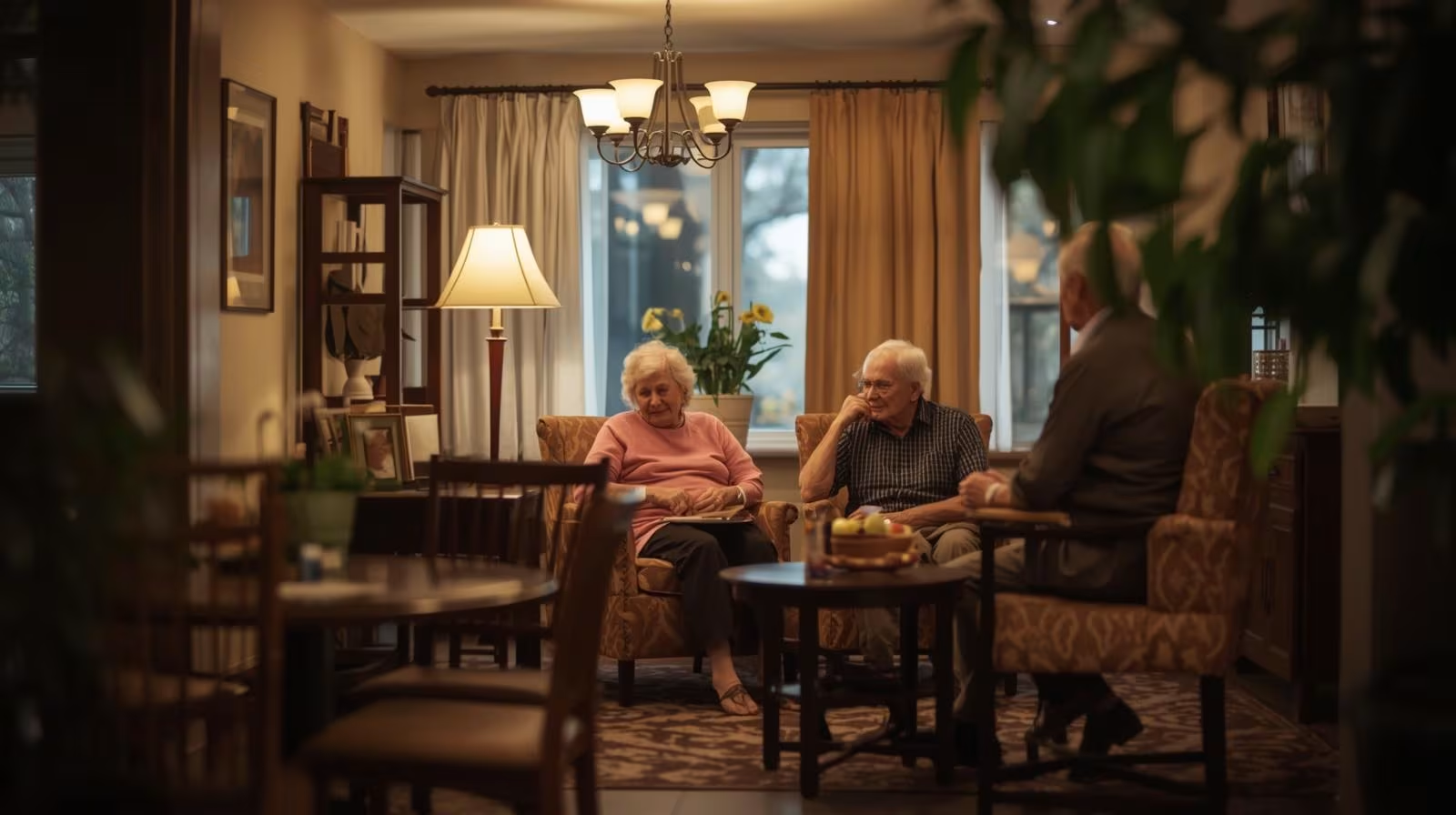
What Is Residential Care for Seniors?
Residential care for seniors is a type of long-term living arrangement where older adults receive personal care, meals, and daily supervision in a shared home or community setting.
Common services may include:
-
Help with daily personal activities
-
Nutritious meals and household support
-
Housekeeping and laundry
-
Social and wellness activities
The goal is to provide comfort, consistency, and respectful care in a setting that feels like home.
Why Residential Care Is About More Than Assistance
While personal care is essential, residential care also prioritizes emotional well-being. A familiar environment and consistent routines help reduce stress and confusion, especially for seniors who need daily support.
Key benefits often include:
-
Reduced isolation and loneliness
-
A greater sense of safety
-
Emotional reassurance
-
Stronger daily routines
These elements work together to support healthier aging.
WHY: Why Choosing the Right Residential Care for Seniors Matters
The quality of residential care directly affects a senior’s comfort and quality of life. Choosing the right environment ensures that care needs are met while independence and dignity are respected.
When the right match is made:
-
Seniors feel valued and secure
-
Families experience peace of mind
-
Daily care becomes more consistent
-
Overall well-being improves
Thoughtful placement leads to better long-term outcomes.
The Importance of Personalized Guidance
Every senior has unique care needs, preferences, and routines. Personalized guidance helps families compare residential care options and choose the environment that best fits their loved one.
Guidance may include:
-
Understanding levels of support
-
Comparing care environments
-
Planning for future needs
-
Clarifying expectations and routines
This support allows families to make confident, informed decisions.
HOW: How Residential Care for Seniors Maintains Quality Care
Quality residential care depends on the people providing daily support. Compassion, reliability, and consistency play a major role in resident comfort and trust.
Friendly Faces Senior Care supports residential care environments by helping ensure seniors receive people-first, compassionate care. When caregivers are well-matched to residents and settings, daily life becomes more comfortable and secure.
This approach helps promote:
-
Strong caregiver–resident relationships
-
Consistent routines
-
Respect for dignity and independence
The right care team transforms residential care into a true home.
Residential Care for Seniors and Quality of Life
Residential care settings are designed to support both physical and emotional well-being. Daily routines are structured yet flexible, allowing seniors to stay engaged and comfortable.
Quality of life is supported through:
-
Safe and accessible living spaces
-
Social activities and shared experiences
-
Reliable daily assistance
-
Encouragement of independence
These features help seniors feel confident and supported every day.
Our Services: Supporting Residential Care Communities
Our services focus on supporting residential care communities through compassionate, reliable care solutions. The emphasis is on people, consistency, and long-term stability.
Support may include:
-
Caregiver support aligned with resident needs
-
People-first care standards
-
Ongoing assistance to maintain care quality
Strong support systems help residential care communities deliver the care families expect.
Is Residential Care for Seniors the Right Choice?
Residential care may be the right option when living alone becomes unsafe or when consistent daily assistance is needed. These environments provide a balance of independence, supervision, and comfort.
The right setting can help seniors:
-
Maintain dignity and routine
-
Stay socially connected
-
Receive dependable daily support
Timing and fit play a key role in a smooth transition.
Creating Comfort, Trust, and Belonging
A successful residential care environment feels like home. When seniors feel respected, understood, and supported, emotional well-being improves.
A strong sense of belonging:
-
Supports emotional health
-
Builds trust and confidence
-
Makes daily life more fulfilling
Care communities thrive when residents feel valued.
Supporting Quality Residential Care for Seniors
If you’re exploring what residential care for seniors offers, why the right environment matters for comfort and safety, and how compassionate staffing supports daily well-being, now is the time to act. Residential care communities succeed when seniors receive respectful, consistent care. Partnering with Friendly Faces Senior Care helps ensure older adults experience dignity, comfort, and dependable support every day. Reach out today to take the next step toward a residential care environment built on trust, compassion, and peace of mind.