

When life’s responsibilities feel overwhelming, having Friendly Faces to lean on makes all the difference. Residential respite care facilities are designed to provide families with a safe, supportive environment where loved ones can receive professional care while primary caregivers take a much-needed break. Whether it’s for a few days or several weeks, respite care offers peace of mind, knowing that compassionate professionals are stepping in to provide comfort, dignity, and attentive support.
Understanding Residential Respite Care
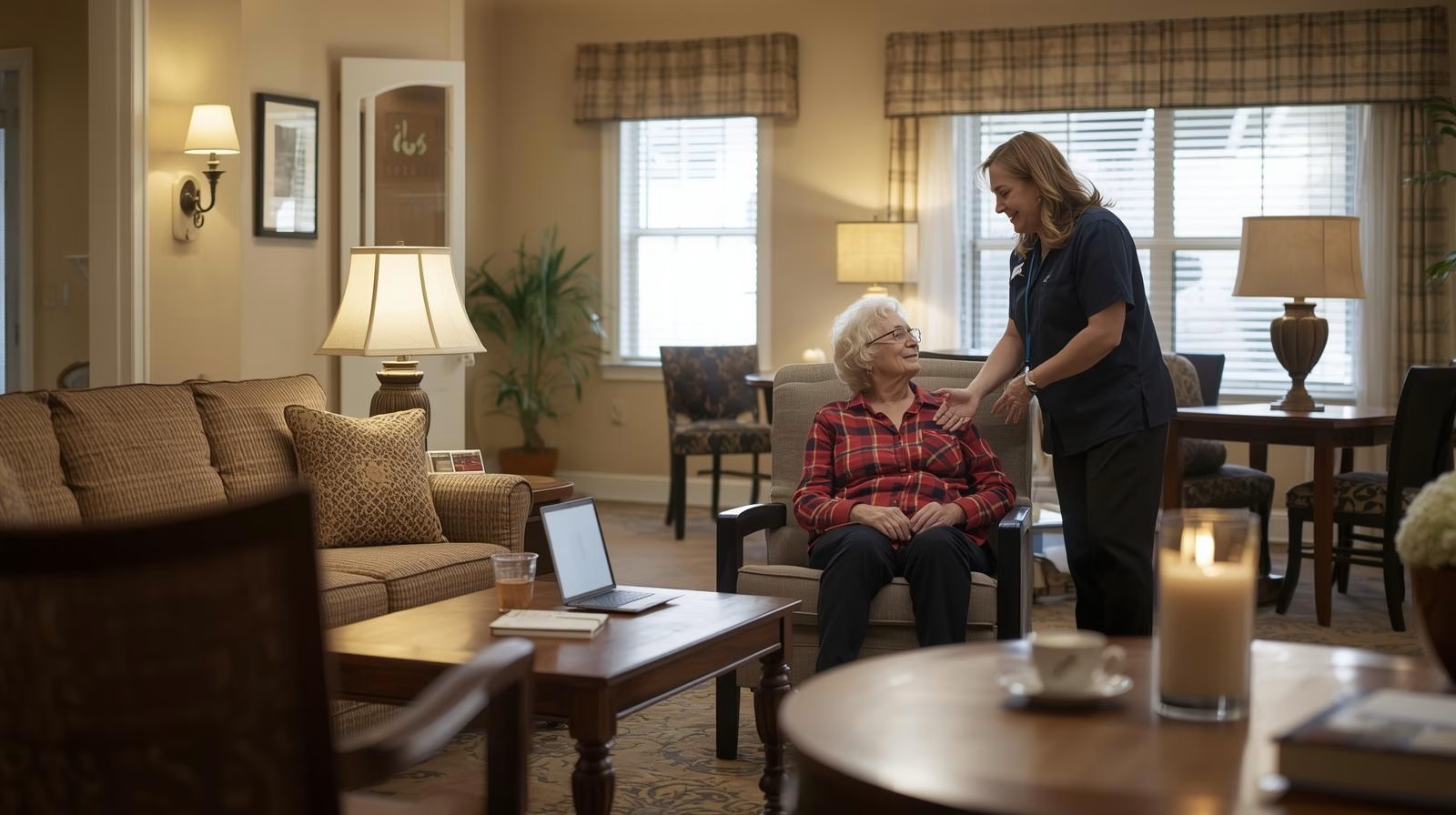
Respite care is a short-term service that gives caregivers temporary relief from their daily responsibilities. Unlike in-home respite, residential respite care facilities provide a structured environment where individuals can stay for a designated period. These facilities are staffed with trained professionals who understand the unique needs of seniors, individuals with disabilities, or those recovering from illness.
Key aspects include:
- Short-term stays ranging from a few days to several weeks.
- 24/7 professional support for medical, personal, and emotional needs.
- Safe and engaging environments designed to promote comfort and social interaction.
This type of care is not just about giving caregivers time to rest—it’s about ensuring that loved ones continue to thrive in a nurturing setting.
Why Caregivers Need Respite
Caring for a loved one is rewarding, but it can also be exhausting. Many caregivers juggle multiple responsibilities—work, family, and personal commitments—while providing constant support. Over time, this can lead to burnout, stress, and even health issues.
Residential respite care facilities help caregivers by:
- Reducing stress and fatigue through temporary relief.
- Providing professional oversight for complex medical or personal needs.
- Allowing caregivers to recharge so they can return with renewed energy and patience.
By stepping away for a short period, caregivers can maintain their own well-being while ensuring their loved ones are cared for in a safe environment.
What Makes Residential Respite Care Unique
Unlike other forms of temporary care, residential facilities offer a structured, community-based environment. This means individuals benefit not only from professional support but also from opportunities to socialize and engage in meaningful activities.
Features often include:
- Comfortable accommodations designed to feel like home.
- Daily activities such as arts, crafts, exercise, and group discussions.
- Nutritious meals tailored to dietary needs.
- Medical monitoring for those with ongoing health conditions.
- Social interaction that combats loneliness and isolation.
This holistic approach ensures that respite care is not just about filling a gap—it’s about enriching the lives of those who stay.
The Emotional Benefits for Families
Families often feel guilty about stepping away from caregiving duties. However, respite care reframes this decision as an act of love. By entrusting loved ones to professionals, families can rest assured that their well-being is prioritized.
Emotional benefits include:
- Peace of mind knowing loved ones are safe and supported.
- Reduced caregiver guilt by recognizing the importance of self-care.
- Strengthened family relationships as caregivers return refreshed and more present.
Respite care is not abandonment—it’s a partnership that ensures both caregivers and loved ones receive the support they deserve.
Who Can Benefit from Residential Respite Care?
Residential respite care facilities serve a wide range of individuals, including:
- Seniors who need assistance with daily living activities.
- Individuals with disabilities requiring specialized support.
- Patients recovering from surgery or illness who need temporary monitoring.
- Families managing dementia or Alzheimer’s care, where professional oversight is essential.
By tailoring services to individual needs, these facilities provide personalized care that respects dignity and independence.
Choosing the Right Facility
Selecting a residential respite care facility requires careful consideration. Families should look for:
- Accreditation and licensing to ensure professional standards.
- Staff qualifications including training in medical and personal care.
- Facility environment that feels welcoming and safe.
- Activity programs that encourage engagement and joy.
- Transparent communication between staff and families.
Visiting facilities, asking questions, and reading reviews can help families make informed decisions that align with their loved one’s needs.
Stories of Relief and Renewal
Many caregivers share stories of how respite care transformed their lives. For example, a daughter caring for her mother with dementia found herself overwhelmed after months of sleepless nights. By using a residential respite care facility, she was able to rest, reconnect with her own family, and return with renewed patience. Her mother, meanwhile, enjoyed social activities and professional care that enriched her days.
These stories highlight the dual benefit: caregivers regain balance, while loved ones experience attentive support in a structured environment.
The Future of Respite Care
As populations age and caregiving demands increase, residential respite care facilities are becoming more essential. Innovations in care models, technology, and personalized services are shaping the future of respite care. Facilities are increasingly focused on:
- Integrating technology for health monitoring and communication.
- Expanding activity programs to include creative and therapeutic options.
- Building stronger community connections to reduce isolation.
This evolution ensures that respite care continues to meet the changing needs of families and individuals.
A Gentle Reminder: Care for Yourself Too
Caregiving is a journey filled with love, sacrifice, and dedication. But even the most devoted caregivers need time to rest. Residential respite care facilities provide a compassionate solution—offering professional support for loved ones while giving caregivers the chance to breathe, reflect, and restore their own well-being.
Take the First Step Toward Relief
If you’re a caregiver feeling the weight of responsibility, remember that seeking help is not a weakness—it’s a strength. Residential respite care facilities exist to support both you and your loved one, ensuring that care continues with dignity and compassion.
Friendly Faces are waiting to welcome your family into a safe, supportive environment. Don’t wait until exhaustion takes its toll—explore respite care options today and discover how a short break can bring lasting renewal.
👉 Call us now or visit our website to learn more about residential respite care facilities near you. Give yourself the gift of rest, and give your loved one the gift of compassionate care.