

When someone you love begins to age, your concerns naturally shift. You start paying closer attention to the little things—energy levels, appetite, balance, memory, and mood. These changes don’t always mean something is wrong, but they do signal the need for closer awareness. From the very beginning, Friendly Faces Senior care was built around one essential idea: consistent, compassionate health monitoring that supports seniors while easing the constant worry families often carry.
What Senior Care Health Monitoring Really Looks Like
Health monitoring in senior care isn’t about hovering or turning daily life into a medical routine. It’s about gentle observation, thoughtful support, and timely action. The goal is to notice patterns, changes, and needs early—before they turn into emergencies.
For seniors, this kind of care feels reassuring rather than intrusive. For families, it creates confidence that someone knowledgeable is paying attention when they can’t always be there themselves.
Why Monitoring Matters More as We Age
As we grow older, our bodies communicate differently. Symptoms can be subtle, and changes may happen gradually. A missed medication, a slight drop in mobility, or a change in sleep habits might seem small at first, but over time these details matter.
Senior care health monitoring provides continuity. Instead of relying on occasional checkups alone, it offers daily awareness—how someone is feeling today compared to last week, or how their habits are shifting over time. This ongoing perspective helps maintain stability and avoid preventable health setbacks.
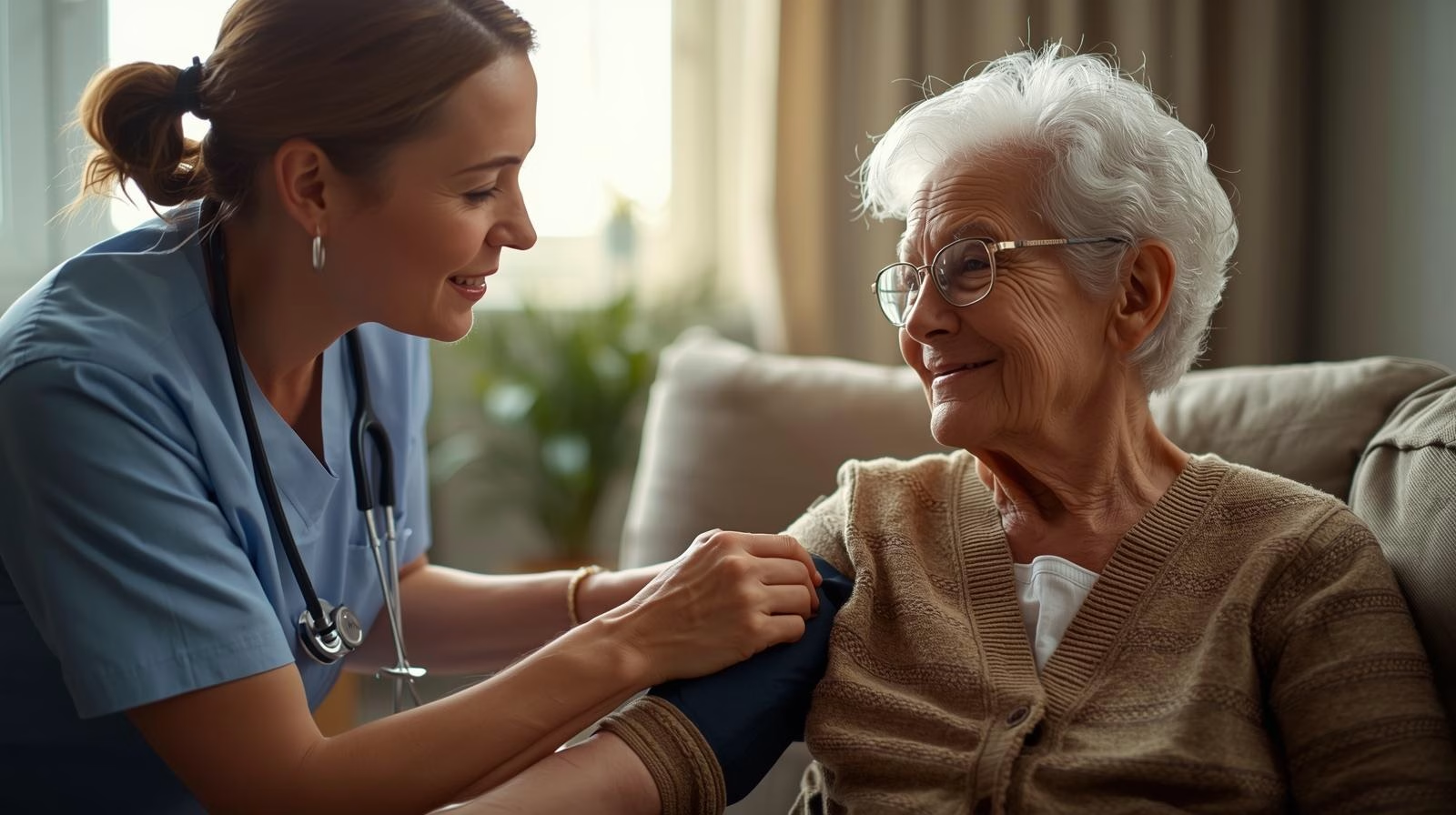
Daily Observation Without Disruption
One of the biggest fears seniors have is losing independence. Thoughtful health monitoring respects this concern. Care is integrated naturally into everyday routines, allowing seniors to live comfortably while still being supported.
Caregivers observe mobility, hydration, nutrition, medication adherence, and overall behavior as part of normal interaction. There’s no pressure—just attentiveness. Seniors are encouraged to stay involved in their own routines, while caregivers quietly ensure safety and consistency behind the scenes.
Medication Support That Reduces Stress
Medication management is one of the most common challenges in aging. Multiple prescriptions, changing dosages, and timing requirements can quickly become overwhelming. Health monitoring helps ensure medications are taken correctly and on schedule.
This support reduces risks like missed doses or accidental overuse. It also provides families with reassurance that medications are being handled responsibly, without turning the senior’s day into a constant reminder of illness.
Tracking Physical Changes Early
Subtle physical changes often signal larger health needs. A slower walking pace, increased fatigue, or changes in appetite can indicate the need for adjustments in care or medical follow-up.
With consistent health monitoring, these changes don’t go unnoticed. Instead, they’re addressed early, often preventing hospital visits or more serious complications. Seniors benefit from timely support, and families avoid the stress of sudden health crises.
Supporting Cognitive and Emotional Well-Being
Health isn’t only physical—it’s mental and emotional too. Changes in memory, focus, or mood can be just as important as physical symptoms. Senior care health monitoring includes gentle attention to cognitive engagement and emotional state.
Caregivers notice if a senior seems more withdrawn, confused, or anxious than usual. These observations open the door to early conversations and supportive interventions, helping seniors feel understood rather than overlooked.
Encouraging Healthy Routines Through Consistency
Healthy routines create comfort. Seniors thrive when their days feel predictable yet flexible. Health monitoring supports regular sleep patterns, balanced meals, hydration, light activity, and rest—without rigid schedules.
This consistency strengthens overall wellness. Seniors feel more energized, confident, and in control of their daily lives. Families see the difference not just in health outcomes, but in attitude and engagement.
Communication That Keeps Families Informed
One of the most valuable parts of senior care health monitoring is communication. Families don’t want to guess how their loved one is doing—they want clarity and honesty.
Regular updates, shared observations, and open conversations help families stay connected and involved. This transparency builds trust and allows families to focus on meaningful time together rather than constant worry.
Reducing Emergency Situations Through Proactive Care
Many emergency situations can be prevented with early awareness. Health monitoring allows caregivers to act before small issues escalate. Dehydration, infections, or balance concerns are addressed early, reducing unnecessary hospital visits.
This proactive approach protects seniors from the stress of emergencies and helps them maintain a sense of stability and safety in their environment.
Respecting Dignity While Providing Support
At the heart of senior care health monitoring is respect. Seniors deserve care that honors who they are, not just what they need. Monitoring is done with empathy, patience, and genuine concern—not judgment or control.
Caregivers take the time to listen, explain, and involve seniors in decisions whenever possible. This respect strengthens trust and allows seniors to feel confident rather than dependent.
The Emotional Relief Families Feel
Caring for an aging loved one can be emotionally exhausting. Even when families want to help, they may struggle with distance, time constraints, or uncertainty about what to watch for.
Senior care health monitoring offers relief. Knowing someone experienced is consistently checking in, observing changes, and responding appropriately lifts a heavy burden. Families can breathe easier, sleep better, and enjoy their relationships without constant fear.
A Better Quality of Life Through Awareness
Health monitoring isn’t about extending life at all costs—it’s about improving quality of life. Seniors feel safer, more supported, and more confident when their health is gently watched over.
They’re free to focus on relationships, hobbies, and everyday joys, knowing that help is available if needed. That sense of security makes a meaningful difference in how seniors experience each day.
Moving Forward With Confidence and Care
Choosing senior care is never just a practical decision—it’s an emotional one. Health monitoring provides a bridge between independence and support, offering the best of both worlds.
If you’re looking for senior care that values attentiveness, respect, and genuine human connection, a health monitoring–focused approach can bring comfort to both seniors and families.
Reach out today to learn how compassionate senior care health monitoring can support your loved one’s well-being—and give your family the peace of mind you deserve.