

Choosing the right care for an aging loved one is never just a practical decision—it’s an emotional one. Families want reassurance that health needs will be met while daily life still feels warm, familiar, and respectful. A senior care healthcare program brings those priorities together, offering structured medical awareness alongside compassionate daily support. With trusted providers like Friendly Faces Senior Care, families can feel confident that care is thoughtful, consistent, and centered on the whole person.
What Is a Senior Care Healthcare Program?
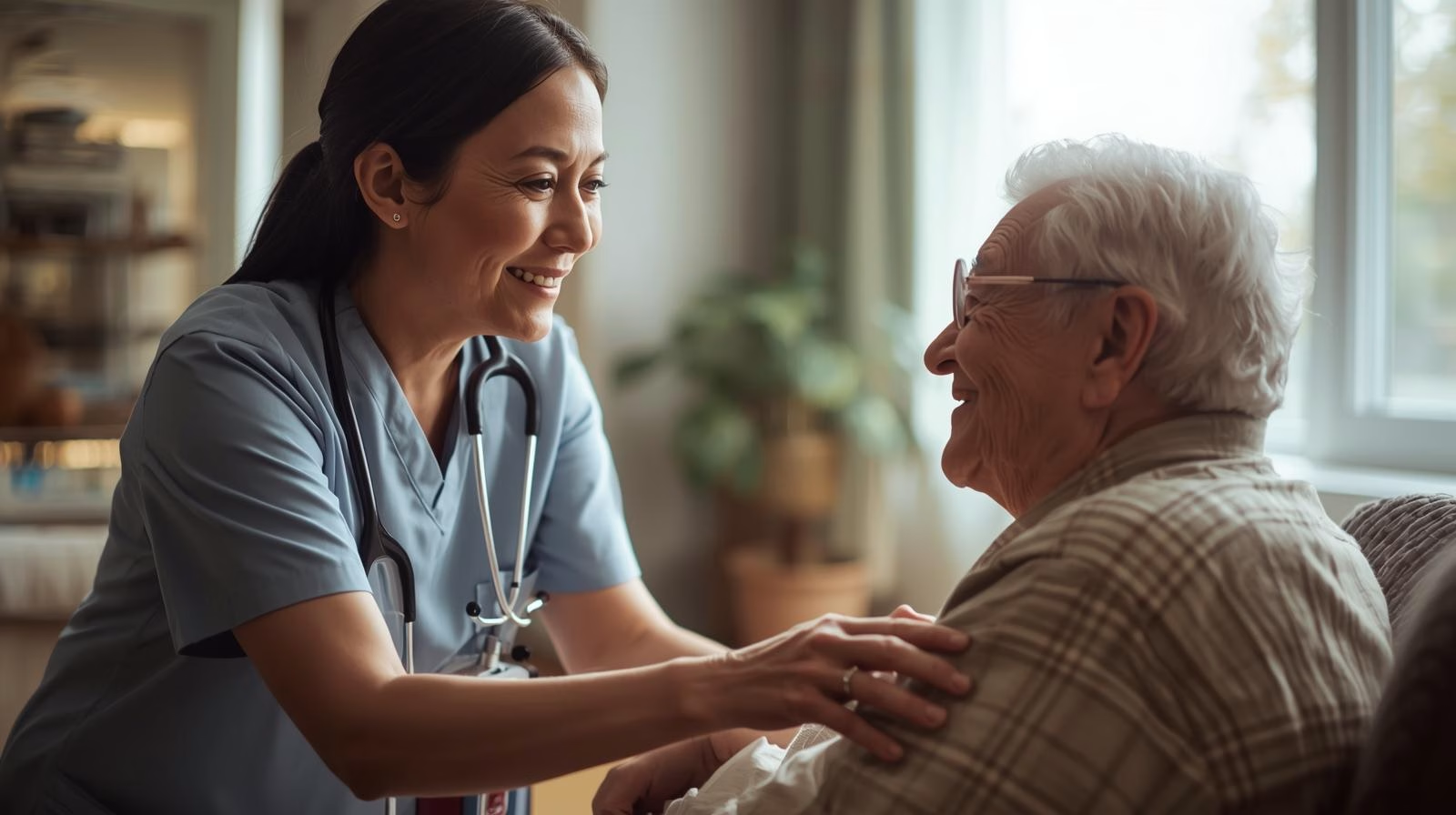
A senior care healthcare program is a coordinated approach to caring for older adults that blends daily assistance with ongoing health awareness. It’s designed to support seniors who may not need full-time medical facilities but do benefit from structured health-focused care.
These programs typically emphasize:
-
Health monitoring and observation
-
Medication awareness and adherence
-
Assistance with daily living activities
-
Safety and fall prevention
-
Communication with healthcare professionals
The aim is to create a supportive environment where seniors can live comfortably while their health needs are actively considered.
Why Structured Healthcare Programs Matter for Seniors
As seniors age, health needs can change gradually or suddenly. What starts as minor forgetfulness, fatigue, or balance issues can evolve into more complex concerns if left unnoticed.
A healthcare program provides structure. Instead of reacting to problems after they arise, care teams focus on prevention, routine, and early response. This proactive approach often leads to better outcomes and fewer emergencies.
Daily Care With Health at the Center
In a senior care healthcare program, everyday routines are guided by health awareness. Simple tasks are performed thoughtfully, with attention to how they impact well-being.
For example:
-
Meals are planned with nutritional needs in mind
-
Mobility assistance focuses on balance and safety
-
Hygiene routines support comfort and skin health
-
Activity and rest are balanced to maintain energy
These details may seem small, but together they create stability and confidence.
Medication Awareness and Support
Medication management is one of the most important elements of any healthcare program. Many seniors take multiple prescriptions, and even small errors can have serious effects.
A healthcare-focused program supports:
-
Consistent medication schedules
-
Observation of side effects
-
Clear communication about changes
-
Encouragement of understanding and routine
This level of attention reduces risk and helps seniors feel more secure in their daily care.
Supporting Seniors With Ongoing Health Conditions
Chronic conditions are common in later life, but they don’t have to limit quality of life. With the right healthcare program, seniors can manage conditions while maintaining independence and comfort.
Support often includes:
-
Monitoring symptoms
-
Encouraging healthy daily habits
-
Responding early to changes
-
Coordinating care with medical providers
Consistency is key, and healthcare programs are built around providing it.
Safety as a Foundation of Wellness
Safety is closely linked to health, especially for older adults. Falls, dehydration, and infections are among the most common reasons seniors experience sudden health setbacks.
Senior care healthcare programs prioritize prevention by:
-
Reducing fall risks
-
Supporting safe movement
-
Encouraging hydration and nutrition
-
Maintaining calm, organized routines
When seniors feel safe, they’re more confident, active, and engaged.
Emotional Well-Being Is Part of Healthcare
Healthcare isn’t only about physical needs. Emotional health plays a significant role in overall wellness.
A strong healthcare program supports emotional well-being through:
-
Consistent companionship
-
Respectful communication
-
Encouragement of routine and purpose
-
Support during health-related transitions
Feeling heard and valued often improves both mood and physical health.
Respecting Independence Within a Healthcare Program
One of the biggest concerns seniors have is losing independence. A well-designed healthcare program protects autonomy while offering support where it’s needed.
Care is collaborative. Seniors are encouraged to participate in decisions, maintain routines they enjoy, and stay involved in their own care. Support is present—not intrusive—helping seniors feel empowered rather than limited.
Helping Seniors Recover After Illness or Hospitalization
Transitions after illness or hospitalization can be challenging. Seniors may feel weak, confused, or uncertain about new routines.
A senior care healthcare program supports recovery by:
-
Following discharge instructions carefully
-
Monitoring for warning signs
-
Encouraging rest and gradual activity
-
Reducing the risk of readmission
This transitional care often brings great relief to families.
Clear Communication Keeps Families Connected
Families want to stay informed and involved. Healthcare programs emphasize transparency and communication.
Regular updates about well-being, changes, or concerns help families feel confident and supported. Clear communication strengthens trust and ensures everyone is working toward the same goals.
Reducing Stress for Family Caregivers
Family caregivers often carry heavy emotional and physical responsibilities. A healthcare program shares that load.
With professional support in place, families can step back from constant worry and return to being present as loved ones rather than full-time caregivers. This shift improves relationships and emotional health for everyone involved.
Adapting Care as Needs Change
Health needs aren’t static. A strong senior care healthcare program adapts as conditions evolve.
Care plans can adjust to:
-
New diagnoses
-
Mobility changes
-
Cognitive shifts
-
Recovery phases
This flexibility ensures seniors receive appropriate support at every stage.
Preventing Health Crises Through Early Attention
Many serious health issues begin with subtle signs. Trained caregivers are skilled at noticing changes early.
Early attention helps prevent:
-
Falls and injuries
-
Medication complications
-
Dehydration
-
Infections
-
Worsening chronic conditions
Prevention is one of the most valuable benefits of a healthcare-focused program.
A Personal Reflection on Healthcare Programs for Seniors
Families often say the greatest comfort comes from knowing someone is truly paying attention—not just assisting, but observing and caring.
That presence changes everything. Anxiety eases. Trust grows. Life becomes more manageable. A healthcare program doesn’t replace family love—it supports it.
Choosing the Right Senior Care Healthcare Program
When exploring healthcare programs, it’s important to look for providers who balance medical awareness with compassion.
Key qualities include:
-
Trained, attentive caregivers
-
Personalized care plans
-
Clear communication
-
Respect for dignity and independence
-
A calm, supportive approach
The right program feels like a partnership, not a system.
Long-Term Benefits of a Healthcare-Focused Program
Over time, seniors in structured healthcare programs often experience:
-
Greater stability
-
Improved daily comfort
-
Better health management
-
Fewer hospital visits
-
Stronger family relationships
These benefits enhance not only health, but overall quality of life.
Care That Supports Health and Heart
A senior care healthcare program brings together what families value most: safety, wellness, dignity, and peace of mind. It provides structured support for health needs while honoring the routines and relationships that make life meaningful.
If you’re considering the next step in care for someone you love, now is the time to explore a program that truly supports the whole person. Friendly Faces Senior Care is dedicated to delivering healthcare programs that combine professional awareness with genuine compassion. Reach out today and discover how the right care can bring comfort, confidence, and balance to your family’s journey.