

As people age, their housing needs often change. What once felt manageable—maintaining a large home, climbing stairs, or living far from family—may become challenging. At the same time, seniors seek environments that support independence, safety, and social connection. This is where senior housing options come into play.
Senior housing is not a one-size-fits-all solution. It encompasses a wide range of choices, from independent living communities to assisted living facilities, memory care units, and nursing homes. Each option is designed to meet different needs, lifestyles, and preferences. Understanding these choices helps families make informed decisions that balance practicality with emotional well-being.
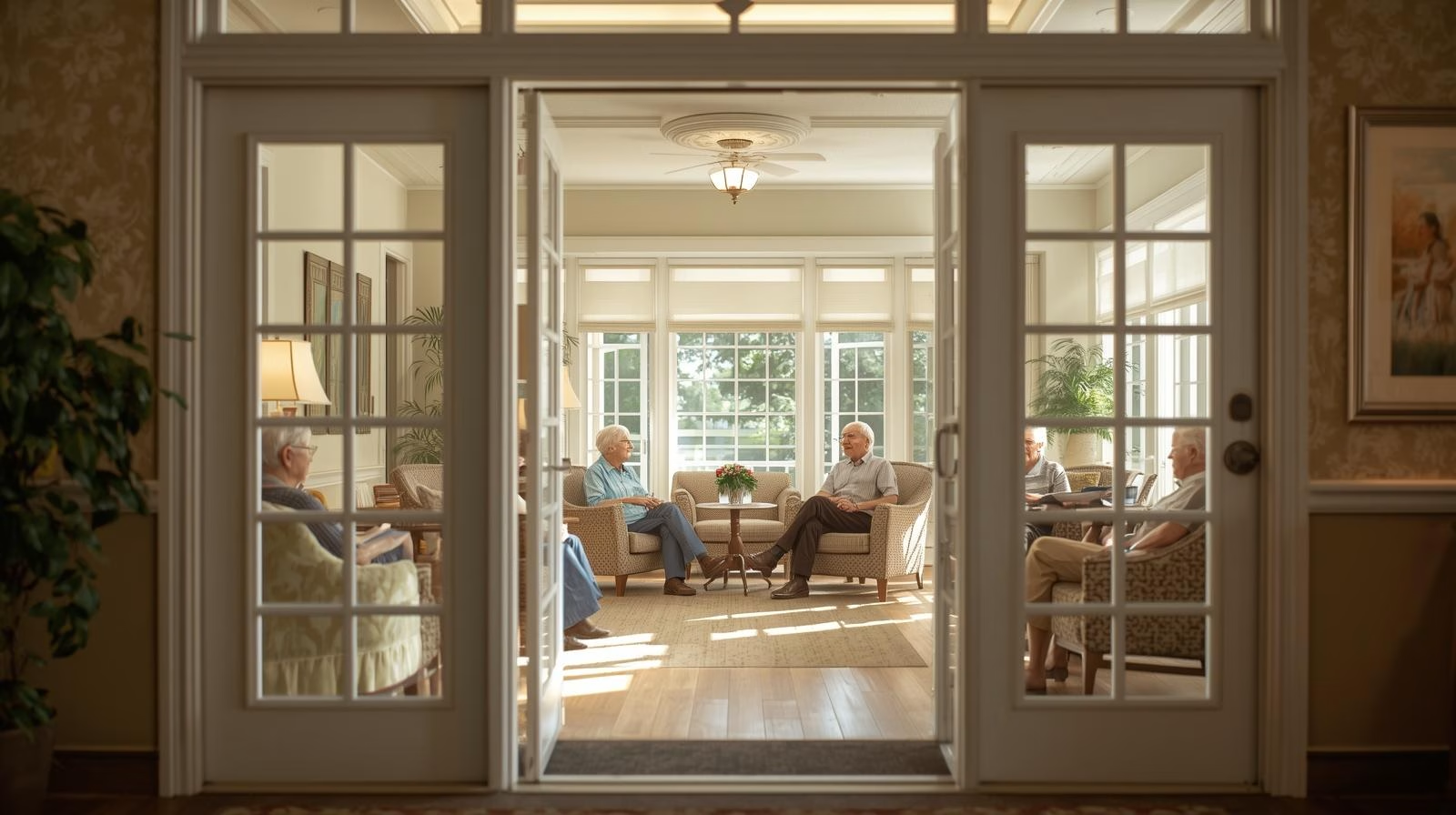
Why Senior Housing Options Matter
Housing is more than shelter—it is the foundation of comfort, dignity, and belonging. For seniors, the right housing option can:
- Reduce risks such as falls or isolation.
- Provide access to healthcare and daily assistance.
- Encourage social engagement and community participation.
- Offer peace of mind for families.
- Support independence while ensuring safety.
Choosing the right senior housing option is about creating environments where older adults can thrive.
Independent Living Communities
Independent living communities are designed for seniors who are largely self-sufficient but want convenience and social opportunities.
Features often include:
- Private apartments or cottages.
- Shared dining and recreational facilities.
- Housekeeping and maintenance services.
- Organized social activities and outings.
Independent living emphasizes freedom while reducing the burdens of home ownership. Seniors enjoy autonomy with the added benefit of community support.
Assisted Living Facilities
Assisted living facilities provide help with daily activities such as bathing, dressing, and medication management. They are ideal for seniors who need some support but still value independence.
Key features include:
- Private or semi-private living spaces.
- Staff available 24/7 for assistance.
- Meals, housekeeping, and transportation services.
- Social and recreational programs.
Assisted living balances independence with reassurance, ensuring seniors receive the care they need without losing autonomy.
Memory Care Units
Memory care units are specialized environments for individuals with Alzheimer’s disease or dementia. They provide structured routines, safety features, and trained staff to support cognitive health.
Features include:
- Secure facilities to prevent wandering.
- Activities designed to stimulate memory and cognition.
- Staff trained in dementia care.
- Family support and counseling services.
Memory care units prioritize safety and emotional well-being, creating environments where residents feel valued and understood.
Nursing Homes
Nursing homes provide round-the-clock medical care for seniors with complex health needs. They are staffed by nurses, doctors, and therapists who offer comprehensive support.
Services include:
- Skilled nursing care.
- Rehabilitation programs.
- Assistance with daily living.
- Social and recreational activities.
Nursing homes are essential for seniors who require intensive medical attention and ongoing supervision.
Continuing Care Retirement Communities (CCRCs)
CCRCs offer a continuum of care, combining independent living, assisted living, and nursing care within one community. Seniors can transition between levels of care as their needs change.
Benefits include:
- Stability and familiarity within one community.
- Flexible housing options.
- Comprehensive healthcare services.
- Strong sense of community.
CCRCs provide peace of mind for families, knowing that loved ones can remain in one place even as their care needs evolve.
Aging in Place
Aging in place refers to seniors remaining in their own homes with modifications and support services. This option is ideal for those who value familiarity and independence.
Strategies include:
- Installing grab bars and ramps.
- Using home care services for daily assistance.
- Leveraging technology such as emergency alert systems.
- Accessing community programs for social engagement.
Aging in place allows seniors to remain in familiar environments while receiving the support they need.
The Role of Families
Families play a central role in choosing senior housing options. Their involvement ensures that decisions reflect both practical needs and emotional values. Families can:
- Research housing options together.
- Visit communities and facilities.
- Discuss preferences and concerns openly.
- Provide emotional support during transitions.
Family participation strengthens bonds and reassures seniors that their voices are heard.
Emotional Dimensions of Senior Housing
Moving into senior housing is not only a practical decision—it is deeply emotional. Seniors may feel anxious about leaving familiar homes or uncertain about new environments. Compassionate support helps ease these transitions.
Emotional benefits of the right housing option include:
- Reduced loneliness and isolation.
- Increased confidence and independence.
- Opportunities for joy and companionship.
- A sense of belonging and identity.
Senior housing options that prioritize emotional well-being create environments where residents feel respected and valued.
Financial Considerations
Cost is a significant factor in senior housing decisions. Prices vary depending on location, services, and amenities. Families must balance financial realities with the need for quality care.
Options for financial support may include:
- Insurance coverage.
- Government programs and subsidies.
- Nonprofit assistance.
- Payment plans and financing options.
Transparency in pricing builds trust and helps families make sustainable choices.
Technology in Senior Housing
Technology is increasingly shaping senior housing options. From health monitoring devices to communication tools, technology enhances safety and convenience.
Examples include:
- Wearable devices that track health metrics.
- Emergency alert systems.
- Apps that connect families with residents and staff.
- Virtual activities for learning and recreation.
Technology complements human care, ensuring seniors feel empowered and connected.
Case Example: Senior Housing in Action
Consider a senior who has lived alone for several years. While independent, they feel isolated and burdened by home maintenance. Moving into an independent living community transforms their experience.
They gain freedom from chores, enjoy meals with new friends, and participate in activities that reignite passions. Their family feels reassured, knowing they are safe and supported. This example illustrates how senior housing options enhance quality of life without compromising autonomy.
Challenges and Solutions
Senior housing options are not without challenges. Seniors may resist change, families may worry about costs, and communities may face resource limitations.
Solutions include:
- Open communication to address concerns.
- Transparent information about services and pricing.
- Personalized care plans that reflect individual preferences.
- Emotional support during transitions.
Communities that provide clear guidance and empathy help ease these challenges.
The Role of Staff and Caregivers
Staff and caregivers are the backbone of senior housing options. Their expertise ensures safety and health, while their empathy ensures emotional comfort.
Compassionate staff:
- Treat residents with respect and dignity.
- Build trust through consistent care.
- Recognize cultural and personal values.
- Provide comfort during difficult moments.
Their presence transforms housing into places of trust and belonging.
Looking Ahead: The Future of Senior Housing Options
The future of senior housing will emphasize personalization, inclusivity, and holistic wellness. As populations age globally, demand for diverse housing options will grow.
Trends may include:
- Greater integration of technology for safety and connection.
- Expanded wellness programs focusing on mental and emotional health.
- More diverse housing options to reflect cultural preferences.
- Policies that prioritize affordability and accessibility.
Senior housing options will continue to evolve, but their core values—dignity, comfort, and connection—will remain constant.
Senior housing options are more than buildings—they are communities that shape lives. They provide safety, comfort, and connection, ensuring that seniors live with dignity and purpose.
By understanding the spectrum of choices, families can make informed decisions that reflect both practical needs and emotional values. Whether through independent living, assisted living, memory care, nursing homes, or aging in place, senior housing options create pathways to meaningful aging.
In the end, these options are not just about where seniors live—they are about how they live. With compassionate care, thoughtful design, and supportive communities, senior housing becomes a foundation for dignity, comfort, and fulfillment.