

As our loved ones age, food becomes more than a daily necessity—it becomes a cornerstone of health, comfort, and quality of life. You may notice changes in appetite, weight, or energy and begin to wonder if nutrition is quietly affecting how they feel each day. From the very beginning, Friendly Faces Senior care has believed that a senior nutrition care program should feel supportive and personal, not clinical or restrictive.
What a Senior Nutrition Care Program Really Is
A senior nutrition care program is not about rigid meal plans or strict rules. It’s about creating thoughtful, flexible nourishment that supports aging bodies while respecting personal preferences, culture, and routine.
As seniors age, nutritional needs evolve. Digestion slows, nutrient absorption changes, and appetite may fluctuate. A well-designed nutrition care program responds to these changes gently, helping seniors feel better without overwhelming them.
Why Nutrition Deserves Special Attention in Senior Care
Nutrition impacts nearly every aspect of senior health—from strength and immunity to mood and mental clarity. Poor nutrition can quietly lead to fatigue, weakness, and increased health risks.
A senior nutrition care program provides structure without pressure. It ensures meals are balanced, timely, and enjoyable, helping seniors maintain stability and comfort in daily life.
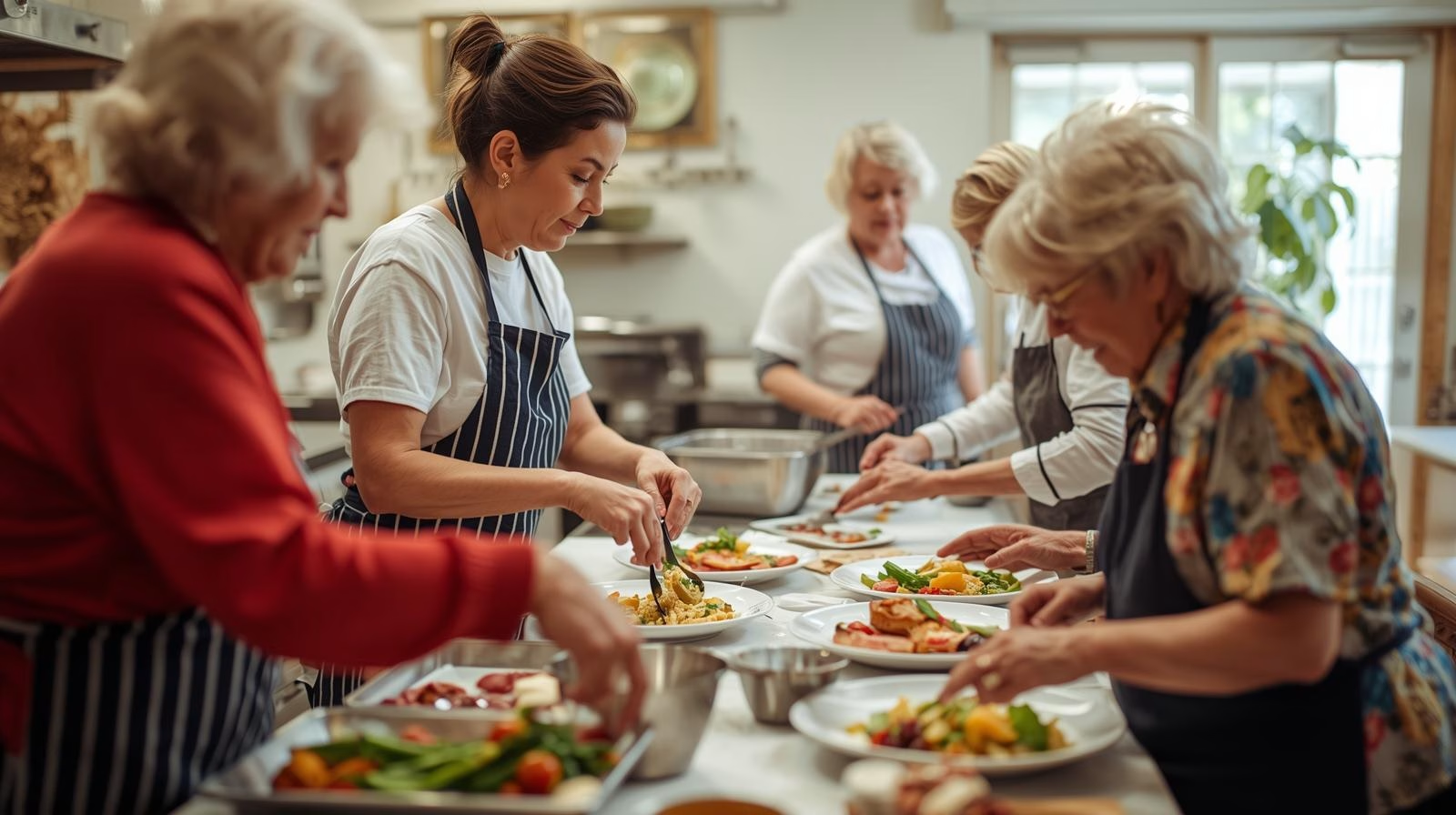
Personalized Nutrition Makes All the Difference
No two seniors have the same dietary needs. Health conditions, medications, taste preferences, and lifelong habits all play a role in how and what someone eats.
A meaningful nutrition care program starts with listening. By understanding the individual, caregivers can support nutrition in a way that feels natural. Personalization helps seniors feel respected rather than managed.
Supporting Health Without Taking Away Joy
One of the biggest concerns families have is that “healthy eating” will make meals less enjoyable. A senior nutrition care program challenges that idea.
Food should still bring pleasure. Familiar flavors, comforting dishes, and thoughtful preparation ensure meals remain something seniors look forward to. Health support and enjoyment are not opposites—they can coexist.
Encouraging Appetite With Compassion
Loss of appetite is common among older adults and can be influenced by medications, mood, or physical changes. A nutrition care program addresses this with patience, not pressure.
Smaller portions, appealing presentation, and relaxed mealtimes help seniors feel more comfortable eating. Gentle encouragement works far better than forcing meals or creating stress around food.
Hydration Is Part of Nutrition Care
Hydration plays a vital role in digestion, circulation, and overall comfort, yet many seniors don’t drink enough fluids. A senior nutrition care program includes hydration as part of daily routines.
Offering water, warm beverages, soups, and hydrating foods throughout the day helps seniors stay hydrated naturally, without constant reminders.
Supporting Strength and Energy Through Nutrition
Maintaining strength becomes increasingly important with age. Nutrition supports muscle health, balance, and endurance, which directly affect independence.
A senior nutrition care program focuses on steady nourishment throughout the day. This approach helps seniors feel more energized and confident in their movements and activities.
Making Mealtimes Feel Safe and Comfortable
Eating should feel safe and enjoyable, especially for seniors with chewing or swallowing challenges. Nutrition care adapts food textures and preparation to support comfort and dignity.
These adjustments help reduce anxiety around meals and allow seniors to eat with confidence rather than fear or frustration.
Respecting Cultural Traditions and Personal Preferences
Food is deeply personal. Cultural dishes, family recipes, and lifelong favorites carry emotional meaning, especially in later years.
A senior nutrition care program honors these traditions whenever possible. Respecting food preferences helps seniors feel seen, valued, and more willing to engage in healthy eating habits.
The Social Importance of Mealtime
Nutrition is not only about what’s on the plate—it’s also about connection. Eating alone can reduce appetite and enjoyment.
Shared meals, conversation, and companionship are powerful parts of a nutrition care program. These moments support emotional well-being and encourage better eating habits naturally.
Reducing Family Stress Around Nutrition
Families often worry whether their loved one is eating enough or getting proper nourishment. This concern can be exhausting, especially when caregiving from a distance.
A senior nutrition care program eases this burden. Knowing meals are handled with attention and care allows families to relax and focus on meaningful moments rather than constant worry.
Adapting Nutrition as Needs Change
Aging is not static, and neither are nutritional needs. Health conditions, medications, and appetite can change over time.
A flexible nutrition care program adjusts gradually, ensuring seniors receive appropriate support without sudden disruptions to their routines or comfort.
Supporting Emotional and Mental Well-Being
Nutrition influences mood and cognitive health. Seniors who eat well often feel more alert, engaged, and emotionally balanced.
A senior nutrition care program supports not only physical health but also mental and emotional wellness, contributing to a more fulfilling daily life.
Preserving Independence Through Nutrition
Food choices are closely tied to independence. Seniors often want a say in what and how they eat.
A thoughtful nutrition care program encourages involvement—choosing meals, assisting with preparation when possible, or eating independently with light support. This participation strengthens confidence and dignity.
Improving Quality of Life, One Meal at a Time
A senior nutrition care program is not about perfection. It’s about consistency, comfort, and care. When nutrition supports how seniors feel day to day, it enhances overall quality of life.
Meals become moments of nourishment and connection rather than sources of stress or concern.
Moving Forward With Confidence and Care
If you’re concerned about your loved one’s nutrition, you’re not alone—and help is available. The right nutrition support can improve health, comfort, and peace of mind for everyone involved.
Reach out today to learn how a compassionate senior nutrition care program can support your loved one’s well-being while giving your family the confidence and reassurance you deserve.