

Retirement is often seen as the golden chapter of life—a time to relax, explore passions, and enjoy the freedom earned after decades of work. Yet for many retirees, the transition can feel overwhelming. Without the daily structure of a career, some struggle with isolation or a loss of purpose. That’s where Friendly Faces Senior Care comes in. As a trusted partner, they help families and communities create opportunities for retirees to engage in meaningful social activities, ensuring that older adults stay connected, active, and fulfilled.
Why Social Activities Matter for Retirees
Social engagement is more than just fun—it’s essential for healthy aging. Studies consistently show that retirees who participate in regular social activities experience:
- Improved mental health: Reduced risk of depression and anxiety.
- Enhanced cognitive function: Social interaction stimulates memory and problem-solving.
- Better physical health: Active lifestyles lower risks of chronic disease.
- Stronger sense of purpose: Meaningful activities provide motivation and joy.
- Community connection: Retirees feel valued and supported when they belong to a group.
Without social engagement, retirees may face loneliness, which can negatively impact both mental and physical health.
Popular Social Activities for Retirees
1. Group Fitness Classes
Low-impact aerobics, yoga, or dance classes provide physical benefits while encouraging social interaction.
2. Hobby Clubs
Book clubs, gardening groups, or art classes allow retirees to explore passions and meet like-minded peers.
3. Volunteer Opportunities
Helping at schools, hospitals, or community centers gives retirees a sense of purpose and contribution.
4. Travel Groups
Organized trips—local or international—offer adventure and companionship.
5. Educational Workshops
Lifelong learning programs keep minds sharp and foster curiosity.
6. Social Gatherings
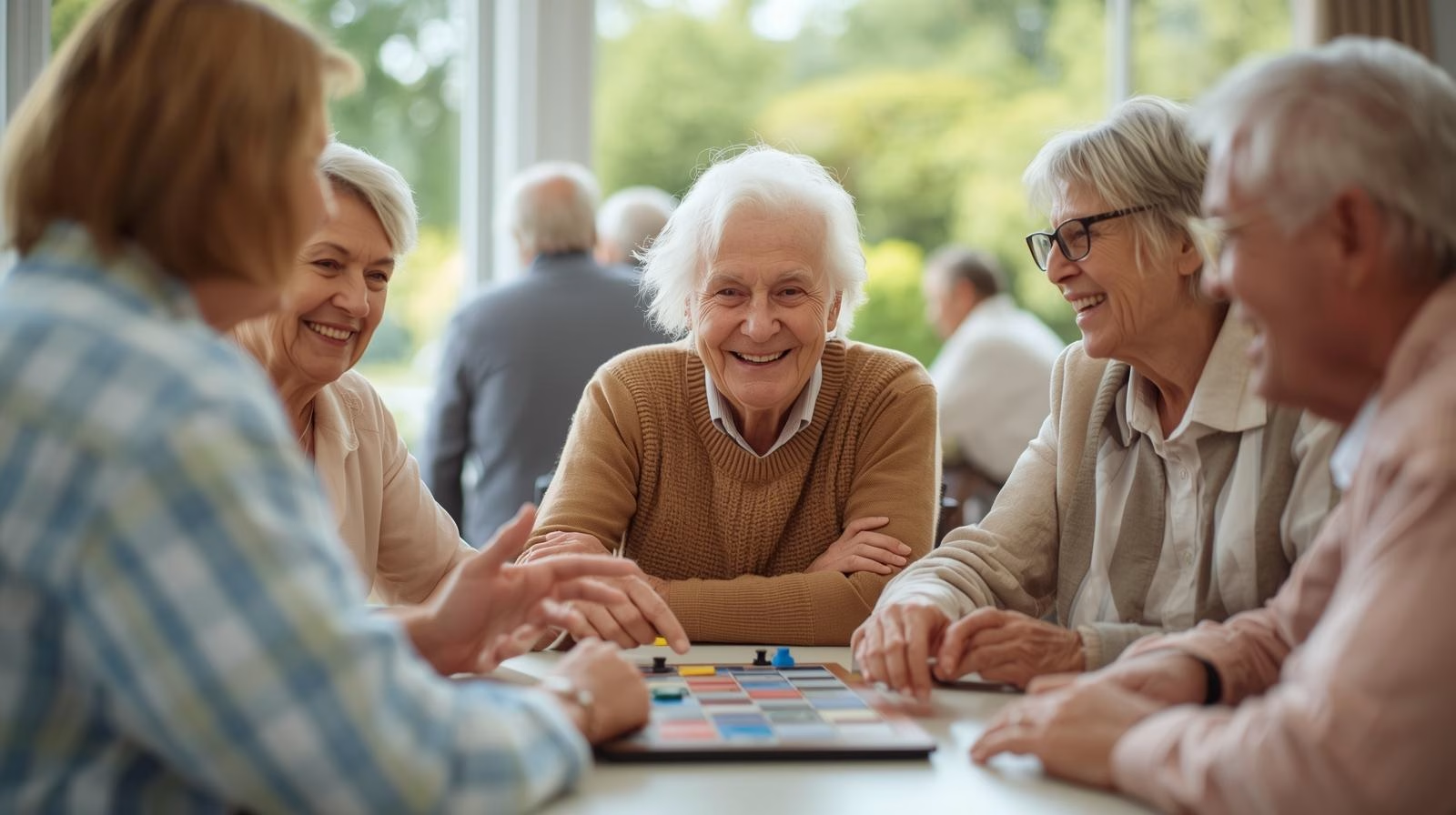
Game nights, potlucks, and cultural events create opportunities for laughter and bonding.
7. Intergenerational Programs
Activities that connect retirees with younger generations build bridges and mutual respect.
Challenges Retirees Face in Staying Socially Active
1. Limited Mobility
Health issues may restrict participation in certain activities.
2. Financial Constraints
Some retirees may hesitate to join programs due to costs.
3. Transportation Barriers
Getting to events can be difficult without reliable transportation.
4. Emotional Resistance
Shyness or fear of meeting new people can discourage participation.
5. Lack of Awareness
Retirees may not know what opportunities are available in their community.
The Role of Virtual Staffing in Supporting Social Activities
Organizing social activities requires coordination, communication, and consistency. Virtual staffing provides a flexible solution, allowing organizations to access skilled professionals who manage tasks remotely.
Virtual staff can assist by:
- Scheduling events and sending reminders.
- Coordinating volunteers and instructors.
- Managing communication with retirees and families.
- Tracking attendance and feedback.
- Organizing online social activities for those unable to attend in person.
With the help of agencies like Friendly Faces Senior Care, social programs become easier to manage and more inclusive.
Case Study: A Retirement Community’s Transformation
A retirement community struggled with low participation in social activities. Many residents felt isolated, and staff were overwhelmed with administrative tasks. By partnering with Friendly Faces Senior Care, they introduced virtual staff to coordinate events, manage communication, and organize online workshops. Within six months, participation doubled, residents reported improved satisfaction, and families expressed relief knowing their loved ones were socially engaged.
This example shows how virtual staffing can transform social activities into a sustainable, impactful program.
The Future of Social Activities for Retirees
Technology is reshaping how retirees connect. Online platforms, virtual clubs, and digital workshops are expanding opportunities for engagement. Virtual staffing complements these tools, ensuring retirees receive personalized support that blends technology with human connection.
The future lies in hybrid models—combining in-person gatherings with online opportunities to create inclusive, flexible systems of support.
Best Practices for Social Programs Using Virtual Staffing
- Assess needs: Identify which activities resonate most with retirees.
- Partner with trusted agencies: Work with providers like Friendly Faces Senior Care that vet professionals thoroughly.
- Set clear expectations: Define roles, responsibilities, and performance metrics.
- Invest in communication tools: Ensure seamless collaboration between staff, retirees, and families.
- Monitor outcomes: Track participation, satisfaction, and health improvements to measure success.
A Call to Action
Social activities are essential for retirees to maintain independence, joy, and community connection. With the right staffing partner, families and organizations can expand their impact, reduce strain on caregivers, and create environments where retirees thrive.
👉 Ready to strengthen your social programs and scale smarter? Connect with Friendly Faces Senior Care today and discover how virtual staffing can transform retirement into a supportive, engaging chapter filled with connection and purpose.