

When the time comes to consider long-term care for a loved one, the decision can feel emotional and overwhelming. Families want safety, quality medical support, and a place that truly feels like home. For many seniors, a private room nursing home offers the perfect balance of professional care and personal comfort—providing dignity, peace, and a sense of independence during an important stage of life.
From quieter surroundings to personalized care routines, private rooms are becoming a preferred option for families who value both quality and compassion in senior living.
What Is a Private Room Nursing Home?
A private room nursing home is a skilled care community where residents have their own individual bedroom, often with a private or semi-private bathroom. While medical care and daily assistance are always available, the personal living space allows seniors to maintain privacy, routines, and familiarity.
Unlike shared rooms, private accommodations reduce disruptions and allow residents to control their environment—from lighting and temperature to décor and daily schedules.
Why Privacy Matters in Senior Care
As people age, privacy becomes more than a preference—it becomes a source of dignity. Many seniors have spent their lives managing households, careers, and families. Moving into a care setting can be emotionally challenging, and sharing a room may feel like a loss of independence.
Private rooms help ease that transition by offering:
-
A quiet place to rest and recover
-
Space for personal belongings and memories
-
Freedom to follow personal routines
-
Comfort during visits with family and friends
These small but meaningful details can have a big impact on emotional well-being.
Health Benefits of Private Nursing Home Rooms
Private rooms don’t just improve comfort—they can also support better health outcomes.
Reduced Risk of Illness
Having a personal room lowers exposure to infections, which is especially important for seniors with weakened immune systems or chronic conditions.
Better Sleep and Recovery
Quality rest is essential for healing and overall health. Fewer interruptions mean deeper sleep and improved recovery after illness or surgery.
Personalized Medical Attention
Care teams can focus on individual needs without the distractions that often come with shared spaces.
Emotional Well-Being and Mental Health
Loneliness is a common concern in senior care, but privacy does not mean isolation. In fact, private rooms often help residents feel more secure and emotionally balanced.
Residents can:
-
Enjoy quiet time when needed
-
Invite family without disturbing others
-
Participate in social activities by choice, not obligation
This balance between personal space and community interaction supports mental health and reduces stress.
A More Home-Like Environment
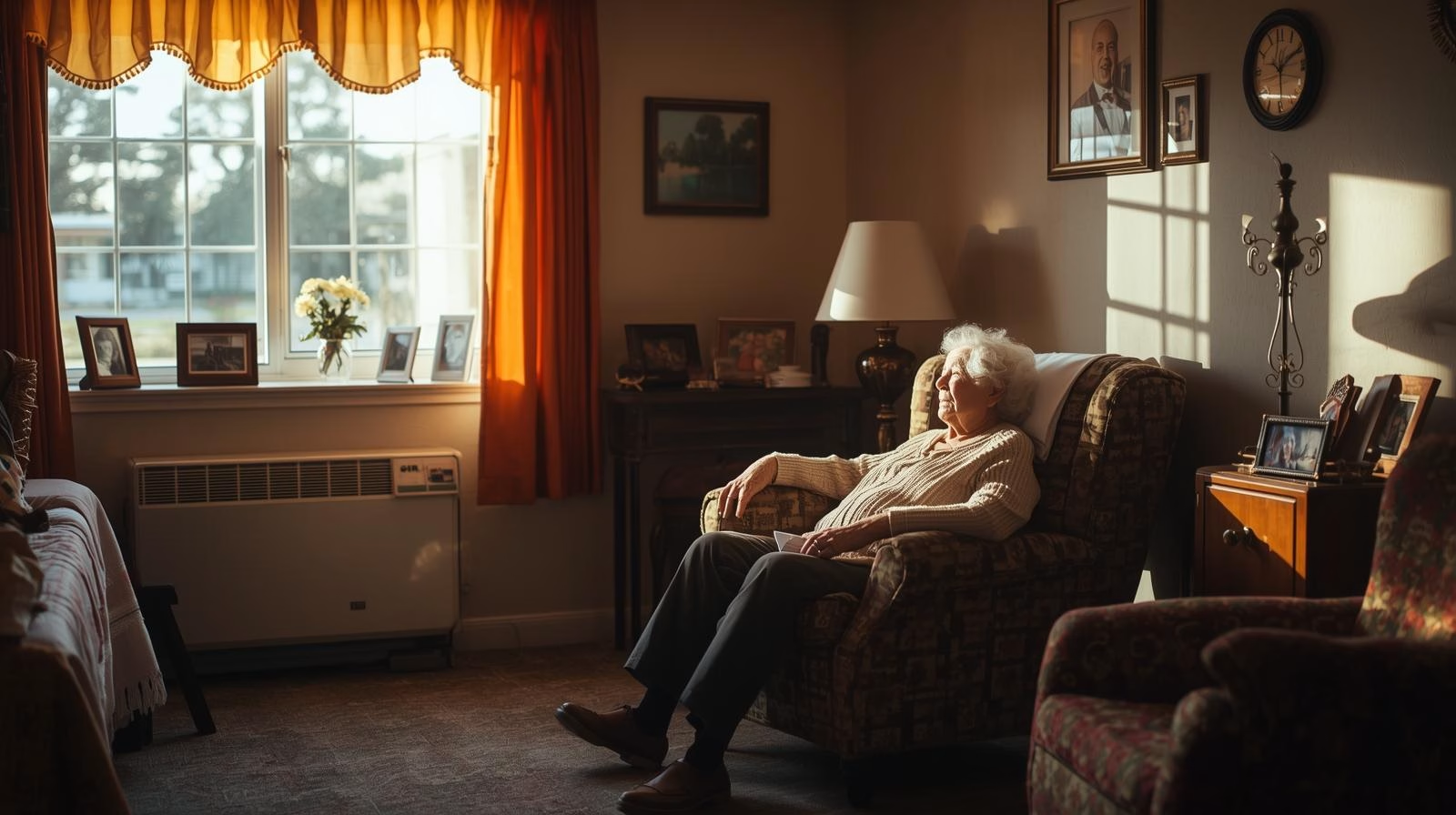
Private rooms allow seniors to recreate the feeling of home. Families often decorate with:
-
Favorite photos
-
Personal furniture
-
Artwork or keepsakes
This familiar environment can be especially beneficial for residents living with memory-related conditions, helping them feel grounded and calm.
Personalized Care in a Private Setting
One of the greatest advantages of private room nursing homes is the ability to tailor care plans. Staff can adjust routines based on individual preferences, such as:
-
Meal times
-
Bathing schedules
-
Medication routines
This level of personalization creates a stronger relationship between caregivers and residents, fostering trust and comfort.
Many families turn to Friendly Faces Senior Care for guidance during this process. Their compassionate approach helps families understand care options and find private room nursing homes that prioritize respect, comfort, and quality care.
Cost Considerations: Are Private Rooms Worth It?
Private rooms typically cost more than shared accommodations, but many families find the value outweighs the expense. The added benefits—privacy, health protection, and emotional comfort—often lead to improved quality of life.
Costs can vary depending on:
-
Location
-
Level of medical care required
-
Length of stay
It’s important to explore all options, including insurance coverage, long-term care policies, and available financial assistance programs.
How to Choose the Right Private Room Nursing Home
When evaluating options, consider these key factors:
Quality of Care
Look for licensed facilities with experienced nursing staff and positive reviews.
Cleanliness and Safety
A well-maintained environment reflects the quality of care provided.
Staff-to-Resident Ratio
Lower ratios often mean more personalized attention.
Atmosphere
Does the facility feel warm, respectful, and welcoming?
Family Involvement
Facilities that encourage family participation often provide better overall care.
Taking the time to tour facilities and ask questions can make a meaningful difference in your final decision.
Is a Private Room Right for Every Senior?
While private rooms offer many advantages, the best choice depends on individual needs and preferences. Some seniors enjoy shared rooms for companionship, while others thrive in a quieter, more personal space.
A thoughtful assessment of physical health, emotional needs, and lifestyle preferences will help guide the decision.
Choosing Comfort, Care, and Peace of Mind
A private room nursing home offers more than just a place to live—it provides dignity, personalized care, and a sense of peace for both seniors and their families. In moments when care decisions feel heavy, choosing an environment that respects individuality can bring reassurance and comfort.
Call to Action
If you’re exploring private room nursing home options and don’t know where to start, Friendly Faces Senior Care is here to help. Their experienced advisors can guide you through the process, answer your questions, and connect you with trusted care communities that meet your loved one’s needs. Reach out today and take the first step toward compassionate, personalized senior care.