

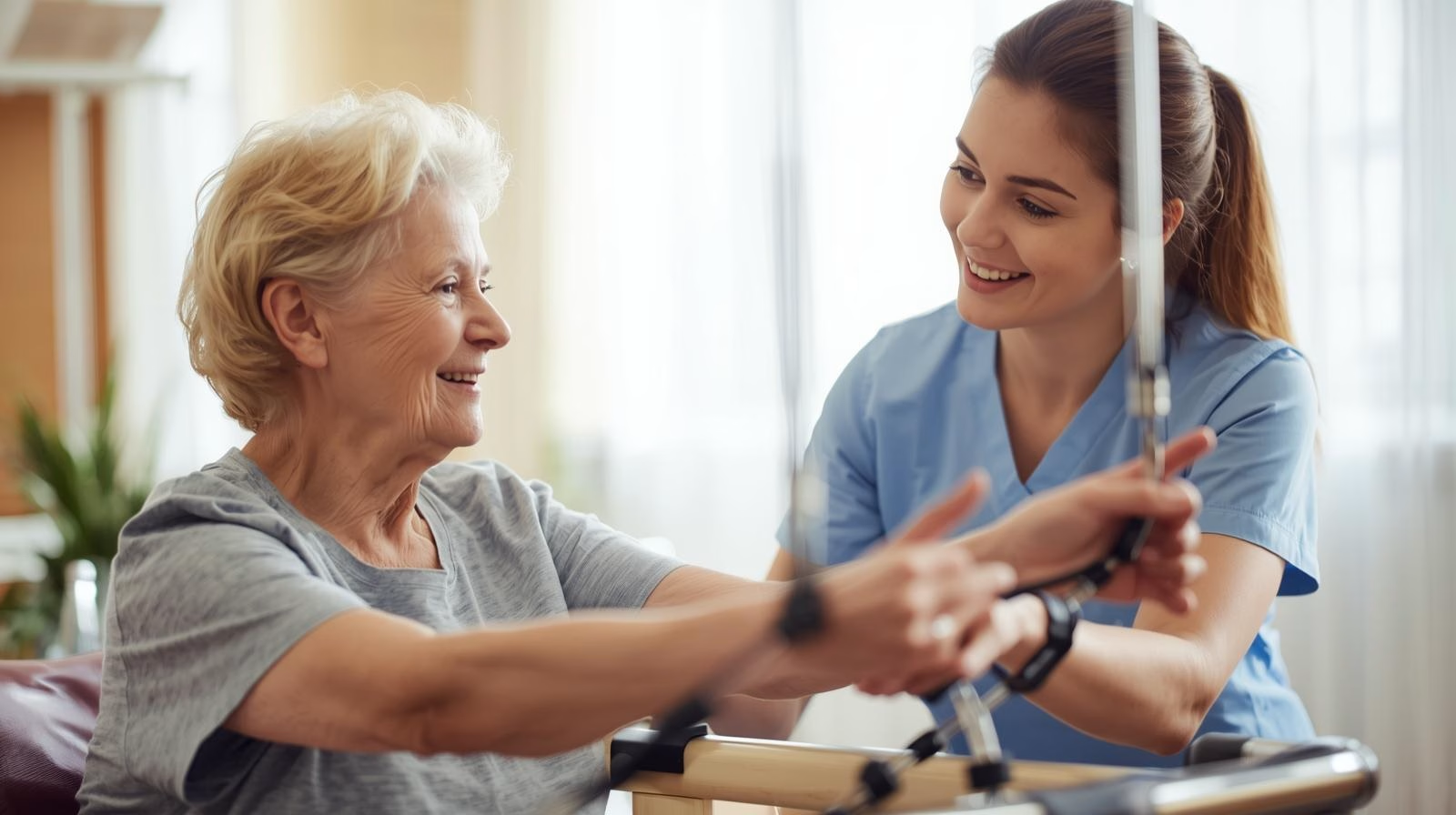
Walking into a rehabilitation center filled with friendly faces—therapists offering warm smiles, caregivers guiding seniors with gentle encouragement, and family members cheering them on—you immediately feel the atmosphere of hope. For older adults recovering from surgery, illness, or injury, rehabilitation is not just about physical recovery. It’s about regaining independence, confidence, and dignity. That’s why elderly assistance for rehabilitation is so vital—it bridges the gap between medical treatment and everyday living, ensuring seniors rebuild strength while feeling supported.
Why Rehabilitation Matters for Seniors
Rehabilitation is a structured process designed to help individuals recover physical, cognitive, and emotional abilities after health setbacks. For seniors, it plays a crucial role in maintaining independence and quality of life.
Key benefits of rehabilitation assistance:
- Physical recovery: Restores mobility, balance, and strength after illness or surgery.
- Cognitive support: Helps seniors manage memory or speech challenges.
- Emotional reassurance: Reduces anxiety and builds confidence during recovery.
- Independence: Enables seniors to return to daily routines safely.
Without proper assistance, recovery may be slow or incomplete. With support, seniors regain vitality and confidence.
Elderly Assistance
Challenges Seniors Face in Rehabilitation
Aging introduces unique obstacles in the rehabilitation process:
- Mobility limitations: Difficulty performing exercises or movements.
- Chronic conditions: Arthritis, diabetes, or heart disease complicate recovery.
- Memory loss: Forgetting routines or therapy instructions.
- Emotional strain: Fear of falling or frustration with slow progress.
These challenges highlight the importance of structured elderly assistance for rehabilitation.
The Role of Caregivers in Rehabilitation Support
Caregivers are central to rehabilitation assistance. Their responsibilities extend beyond physical tasks—they provide encouragement and advocacy.
Caregiver responsibilities:
- Exercise support: Guiding seniors through therapy routines.
- Monitoring progress: Tracking improvements and setbacks.
- Safety assurance: Preventing falls or injuries during exercises.
- Emotional care: Offering reassurance during difficult sessions.
- Coordination: Communicating with therapists and doctors.
By blending practical support with empathy, caregivers transform rehabilitation into a journey of trust and resilience.
Creating Rehabilitation-Friendly Environments
For seniors, the environment plays a crucial role in recovery. Adjustments make rehabilitation safer and more effective:
- Accessible spaces: Install grab bars, ramps, and non-slip flooring.
- Adaptive equipment: Use walkers, canes, or therapy bands.
- Routine schedules: Consistency builds confidence and reduces anxiety.
- Positive atmosphere: Encouragement and friendly faces motivate seniors.
These changes ensure seniors feel secure and supported during rehabilitation.
Emotional and Social Benefits of Rehabilitation Assistance
Rehabilitation is not just physical—it’s emotional. Seniors thrive when they feel supported and connected.
- Confidence: Seniors feel reassured knowing they are progressing.
- Routine comfort: Consistent therapy reduces stress.
- Positive identity: Achievements reinforce independence.
- Family connection: Loved ones feel reassured knowing seniors are cared for.
The emotional impact of rehabilitation assistance is profound, fostering dignity and hope.
Technology and Innovation in Rehabilitation Assistance
Modern tools are reshaping elderly assistance for rehabilitation:
- Tele-rehabilitation: Virtual therapy sessions reduce travel needs.
- Wearable devices: Track mobility, heart rate, and progress.
- Robotic aids: Assist with walking or movement exercises.
- Therapy apps: Provide reminders and guided routines.
Technology complements human care, adding convenience and safety.
Family and Community Involvement
Families and communities play a vital role in rehabilitation support:
- Family participation: Encouraging seniors during exercises.
- Community programs: Local centers offering group therapy sessions.
- Volunteer networks: Neighbors assisting with transportation or motivation.
- Support groups: Families sharing tips and resources for rehabilitation care.
When communities unite, seniors benefit from a stronger support system.
Real-Life Stories of Rehabilitation Assistance
Consider Rosa, who underwent hip surgery. Her caregivers guided her through daily exercises, while therapists encouraged her progress. With friendly faces cheering her on, Rosa regained mobility and confidence.
Or take Manuel, who suffered a stroke. His family coordinated with a rehabilitation center, where speech therapy and physical exercises helped him recover. With consistent support, Manuel regained independence and joy.
These stories show how elderly assistance for rehabilitation transforms lives through compassion and persistence.
Overcoming Barriers
Despite progress, barriers remain:
- Cost: Rehabilitation services can be expensive.
- Access: Rural areas may lack specialized facilities.
- Awareness: Families may not know about available resources.
- Resistance: Seniors may resist therapy, fearing frustration.
Solutions require advocacy, funding, and education to ensure equitable access.
Building a Compassionate Future
The future of rehabilitation assistance lies in collaboration:
- Policy support: Governments can fund senior rehabilitation programs.
- Community training: Educating caregivers and volunteers about rehabilitation practices.
- Expanded services: More accessible rehabilitation support in care homes and communities.
- Public awareness: Campaigns to highlight the importance of rehabilitation.
Together, these efforts create a world where seniors are cared for with dignity and respect.
Elderly assistance for rehabilitation is not just about recovery—it’s about dignity, independence, and hope. With the right support, seniors can feel comfortable, confident, and respected. Caregivers, families, and communities all play a role in making rehabilitation safe and meaningful.
👉 If you have a loved one who struggles with rehabilitation, take the first step today. Explore local programs, connect with caregiver networks, or consider professional services designed for senior rehabilitation. Your involvement can ensure that every exercise, therapy, and milestone is safe, dignified, and guided by friendly faces.